Leave Your Message

2026 Best Zinc Nickel Alloy Suppliers for Global Buyers

The 2026 market for Zinc Nickel alloy suppliers is becoming more demanding, not merely larger. Global buyers now examine corrosion performance, coating consistency, production capacity, and documentation before approving a supplier. A bright sample is not enough. The real test appears after salt spray exposure, threaded assembly, transport, and months of field service.

Dr. Frank Altmayer, a recognized electroplating specialist, offers a practical reminder: “A coating is only as good as the process control behind it.” This principle matters when comparing suppliers across Asia, Europe, and North America. Buyers should inspect bath management, nickel content control, thickness testing, hydrogen embrittlement prevention, and laboratory traceability. Ask for recent test reports. Check whether those reports match the actual production line.

Supplier selection is rarely perfect.

A factory may provide excellent samples but weak delivery planning. Another may offer strong engineering support but limited capacity during peak demand. These details can change the final purchasing decision. Reliable suppliers explain their standards clearly and acknowledge process limitations. That honesty is valuable.

This guide reviews the 2026 Best Zinc Nickel alloy Suppliers for Global Buyers through an experience-based and technical lens. It considers coating quality, certifications, customization, export capability, lead times, and after-sales communication. Some rankings may remain debatable because performance depends on substrate, specification, and application. Buyers should still conduct independent audits and qualification testing before signing long-term contracts. The strongest supplier is not always the cheapest. It is the partner that repeatedly delivers measurable protection under real operating conditions.
2026 Best Zinc Nickel Alloy Suppliers for Global Buyers

What Zinc-Nickel Alloy Is and Why Global Buyers Choose It

Zinc-nickel alloy is usually an engineered coating, not a solid structural metal. It combines zinc’s sacrificial protection with nickel’s stronger barrier performance. Many industrial coatings contain roughly 12–16% nickel, though specifications vary. The layer protects steel fasteners, brackets, hydraulic parts, and formed components. It performs well in salt spray, humidity, and changing temperatures. That matters when equipment crosses ports, deserts, and wet factories.

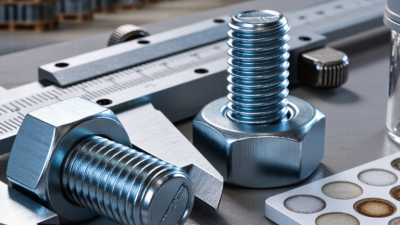
Global buyers choose zinc-nickel alloy because it can extend component service life and reduce maintenance interruptions. Compared with standard zinc plating, it often offers stronger corrosion resistance at similar coating thicknesses. Its performance depends on pretreatment, thickness control, sealing, curing, and accurate testing. A reliable supplier should provide process records, coating measurements, adhesion results, and corrosion-test data. Buyers should confirm thread fit, hydrogen-management procedures, and environmental specifications. A higher nickel percentage is not automatically better. It may change appearance, ductility, cost, or processing behavior. That detail is easy to overlook.

Tips: Request sample panels or finished-part tests before approving bulk production. Define the substrate, coating range, surface finish, test method, and acceptance limits in writing. Check batch traceability and packaging for long-distance shipping. Do not judge quality by color alone. It can mislead. Discuss real exposure conditions with the technical team.
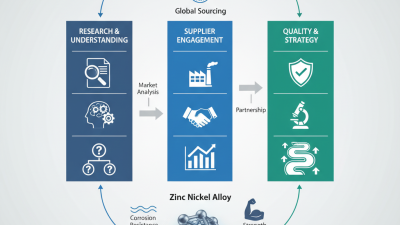
Key Standards for Evaluating Zinc-Nickel Alloy Suppliers

For global buyers, supplier evaluation should begin with coating evidence, not attractive quotations. The NACE IMPACT study estimated global corrosion costs at about US$2.5 trillion, equal to roughly 3.4% of worldwide GDP. That figure makes process control commercially important. Ask whether the supplier follows ASTM B841 or ISO 19598 for electrodeposited zinc-nickel coatings. Request batch records showing nickel content, coating thickness, adhesion, hydrogen-relief treatment, and surface preparation.

Laboratory capability matters. A reliable supplier should test corrosion resistance under ISO 9227 or ASTM B117 conditions, while clearly stating test duration and failure criteria. Salt-spray hours alone can mislead. Real assemblies contain edges, threads, holes, and contact points. Ask for cross-section images and X-ray fluorescence results from production parts, not only polished samples. Nickel content commonly falls near 12–16% in high-performance coatings, but the correct range depends on the application and bath chemistry.

Traceability separates a capable supplier from a merely experienced one. Each shipment should connect to a batch number, inspection report, plating line, and corrective-action record. Environmental controls also deserve scrutiny, including wastewater management and restricted-substance declarations. ISO 9001 certification supports documented quality systems, but certification does not guarantee stable coating performance. A site audit remains valuable. Even mature suppliers can show uneven thickness near corners or incomplete records during busy periods. That imperfection should be discussed openly, measured, and corrected before approval.

How to Compare Supplier Quality, Capacity, and Certifications

2026 Best Zinc Nickel Alloy Suppliers for Global Buyers

How to Compare Supplier Quality, Capacity, and Certifications

Comparing zinc nickel alloy suppliers requires more than reviewing a polished website. Ask for recent coating thickness records, nickel-content data, adhesion results, and corrosion test reports. These documents should identify the production lot, test method, and responsible laboratory. A supplier with strong technical experience can explain why results vary between steel grades, part shapes, and pretreatment conditions.

Ask for evidence. Do not accept certificates alone. ISO 9001 can support quality management, while ISO 14001 may indicate environmental controls. For automotive projects, IATF 16949 may be relevant. Independent laboratory competence can also matter when testing follows recognized methods. Check certificate scope, issuing body, expiry date, and covered production site. A certificate from another facility proves little.

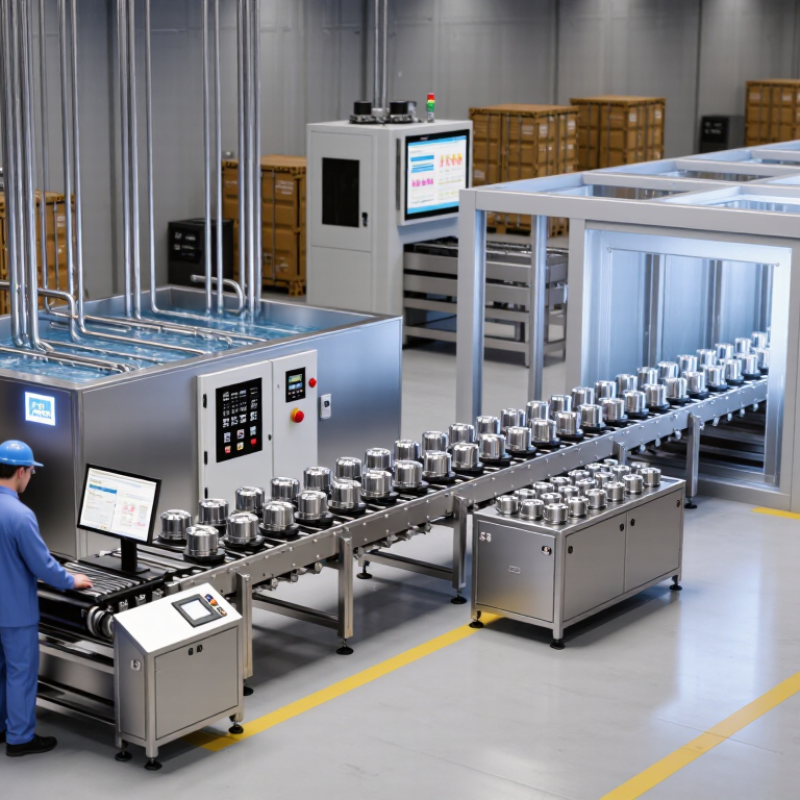
Capacity needs a practical check. Request monthly output, active production lines, shift patterns, average lead times, and recent utilization. Then compare these figures with your forecast, peak demand, and required safety stock. Visit the plant if possible, or arrange a live video audit. Look for bath monitoring, ventilation, wastewater controls, calibrated equipment, and clear batch identification. Capacity is not availability. A supplier may have impressive equipment yet lack space during seasonal demand.

I would also test communication before signing. Send a sample drawing and change request. Measure response quality, not just speed. Some suppliers provide excellent first samples but weak corrective-action reports. That risk deserves attention. Real reliability appears in repeated lots, transparent delays, and documented improvements.

2026 Best Zinc-Nickel Alloy Suppliers for Global Buyers

Illustrative supplier-comparison benchmark based on commonly requested quality, production, and certification evidence.

The evaluation uses a 0–100 score. Quality covers process control, coating consistency, and testing capability; capacity reflects documented production scalability; certification readiness references widely used requirements such as ISO 9001, ISO 14001, IATF 16949, ISO/IEC 17025, RoHS, and REACH. Buyers should verify current certificates, audit reports, capacity figures, and laboratory records directly with each supplier.

Global Sourcing Factors: Pricing, Logistics, and Compliance

For global buyers, zinc nickel alloy pricing depends on more than metal weight. Plating thickness, part geometry, order volume, and surface preparation change the final quotation. A supplier should separate coating, testing, packaging, and tooling costs clearly. This makes comparisons more reliable. In sourcing reviews, I also check whether prices remain valid during nickel market changes. A low quote can mislead. It may exclude testing or reject-related costs.

Logistics deserves equal attention. Confirm production lead times, port options, Incoterms, carton protection, and moisture control before placing an order. Small details matter. Complex components may require masking, selective plating, or additional inspection, which can extend schedules. Compliance records should include material declarations, coating specifications, batch traceability, and test reports. Depending on the destination and application, buyers may request RoHS or REACH-related documentation, along with evidence of restricted-substance control. Do not accept generic certificates without matching them to the actual production batch.

Tips: Request a sample quotation with identical specifications from each supplier. Ask for coating thickness maps, salt-spray results, adhesion data, and corrective-action records. Verify whether the supplier uses an accredited laboratory or qualified internal equipment. A factory audit is useful, but it is not perfect. Review recent shipment performance, not only presentation samples. Keep a written approval process, because informal promises often disappear when specifications change.

A Practical Process for Selecting the Best Supplier in 2026

Selecting a zinc-nickel alloy supplier in 2026 requires more than comparing quoted prices. The USGS Mineral Commodity Summaries 2025 estimates global zinc mine production at nearly 12 million metric tons in 2024. Supply is substantial, but consistency still varies by refinery, alloy chemistry, and coating line.

Start with the drawing and operating environment. Specify zinc-nickel content, coating thickness, salt-spray requirements, hydrogen-relief treatment, and dimensional limits. Ask suppliers for recent batch certificates, test methods, calibration records, and traceability from raw material to shipment. ASTM B841 and ISO 19598 can help define coating expectations. However, standards do not replace verification. Request independent testing on production samples, not only laboratory panels.

Audit the process in person or through a qualified third party. Check bath control logs, wastewater practices, operator training, and corrective-action records. NACE’s IMPACT study estimated global corrosion costs at about 3.4% of global GDP, showing why lifecycle reliability deserves attention. Still, a thicker coating is not automatically better. It may affect fit, torque, or assembly time. I would score suppliers across quality, technical support, capacity, logistics, and total landed cost. Price should carry limited weight. Demand is not enough. A small pilot order can expose packaging damage, inconsistent adhesion, or delayed documentation before a global contract begins.