What is Acid Zinc Electroplating and How Does it Work?
Acid Zinc Electroplating is a significant process in the metal finishing industry. It offers excellent corrosion resistance and enhanced aesthetics to various substrates. According to recent industry reports, the global market for zinc plating is expected to reach $10 billion by 2026. This growth underscores the necessity of understanding Acid Zinc Electroplating technology.
The process involves electrochemically depositing a zinc layer onto a metal surface, enhancing its durability. The application of this method is widespread, from automotive parts to household items. However, achieving desired outcomes can be complex. Variables such as bath composition and temperature must be carefully controlled. Missteps can lead to poor adhesion or uneven coatings, which require further refinement.
Industry standards emphasize the importance of proper process control in Acid Zinc Electroplating. As companies strive for sustainability, the demand for comprehensive knowledge of techniques increases. Many operations still face challenges in balancing efficiency and quality. Continuous improvement in this area is essential for meeting industry expectations.
What is Acid Zinc Electroplating? An Overview of the Process
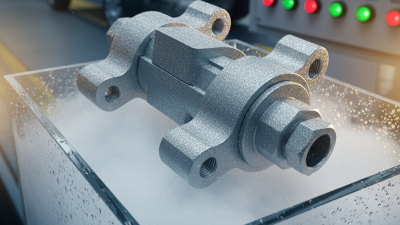
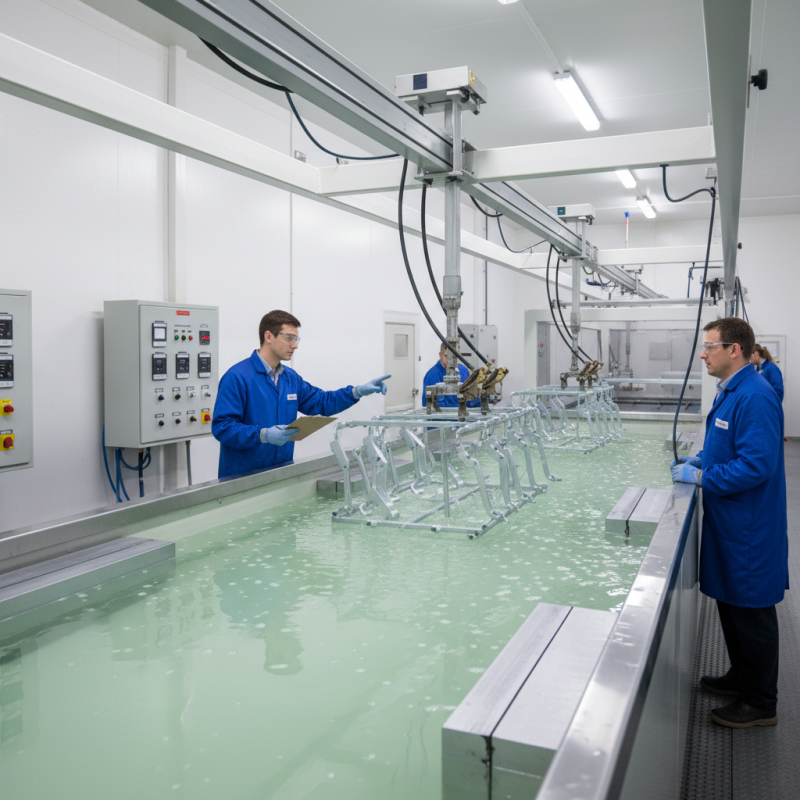
Acid zinc electroplating is a widely used method to enhance metal surfaces. This process involves immersing metal components in a solution containing zinc ions. The solution is typically acidic, which aids in better adhesion of the zinc layer. As an electric current is applied, zinc ions reduce and settle onto the substrate. The result is a uniform coating that protects against corrosion.
During the process, several factors must be considered. Temperature and pH levels play crucial roles in achieving desired results. If not maintained properly, the coating can become uneven. Additionally, the thickness of the zinc layer may vary, leading to potential weaknesses. It's important to monitor the electroplating bath regularly. Adjustments may be necessary to ensure the optimal plating conditions are met.
While acid zinc electroplating is effective, it requires careful handling. Improper techniques can lead to defects, such as poor adhesion or pitting. Understanding the chemistry behind the process helps mitigate these risks. Ultimately, achieving a quality finish demands attention to detail and an ongoing commitment to improvement.
The Chemistry Behind Acid Zinc Electroplating and its Benefits
Acid zinc electroplating is a popular surface treatment method used in various industries. The process involves depositing a layer of zinc onto a metal substrate using an acidic electrolyte. This method is often chosen for its ability to provide a bright, shiny finish. However, the real benefits lie in its corrosion resistance and improved adhesion properties.
The chemistry behind this process is intricate. In simple terms, zinc ions are reduced and deposited onto the surface through an electrolytic reaction. According to a report by the International Journal of Electrochemical Science, zinc coatings can reduce corrosion rates by up to 90%. This is particularly beneficial for automakers, where components undergo extreme environments.
Despite the advantages, some challenges are associated with acid zinc electroplating. For example, controlling the bath chemistry is crucial. If the balance of pH or temperature shifts, it can lead to poor coating quality. The thickness of the zinc layer may also be inconsistent, leading to vulnerabilities in certain areas. Industry experts suggest continuous monitoring to mitigate these issues, yet achieving perfection remains a challenge.
Key Applications of Acid Zinc Electroplating in Various Industries
Acid zinc electroplating is widely used across industries due to its cost-effectiveness and excellent corrosion resistance. This electroplating method is particularly popular in automotive, aerospace, and electronics sectors. A report by the Global Electroplating Market indicated that the demand for zinc plating is expected to grow by 5% annually. This growth reflects the ongoing need for durable protective coatings.
In the automotive industry, acid zinc plating is crucial for components like fasteners and brackets. These parts are often exposed to harsh conditions. In 2022, the automotive sector accounted for over 30% of the total electroplating market, highlighting its significance. Additionally, in electronics, acid zinc provides a conductive surface that enhances performance. This application is crucial for circuit boards and connectors.
Tip: When considering acid zinc electroplating, think about the thickness of the coating needed. Too thick can lead to stress fractures, while too thin may not provide adequate protection. Balancing this is vital for effective results. Regular maintenance of plating equipment is also essential to ensure uniformity and quality.
Although acid zinc electroplating is effective, it has environmental impacts. Wastewater treatment from this process can be challenging. Companies need to invest in proper disposal methods. It’s a reminder that electroplating, while beneficial, requires responsible management. Addressing these concerns can lead to more sustainable practices within the industry.
Comparative Analysis: Acid Zinc vs. Other Zinc Plating Methods
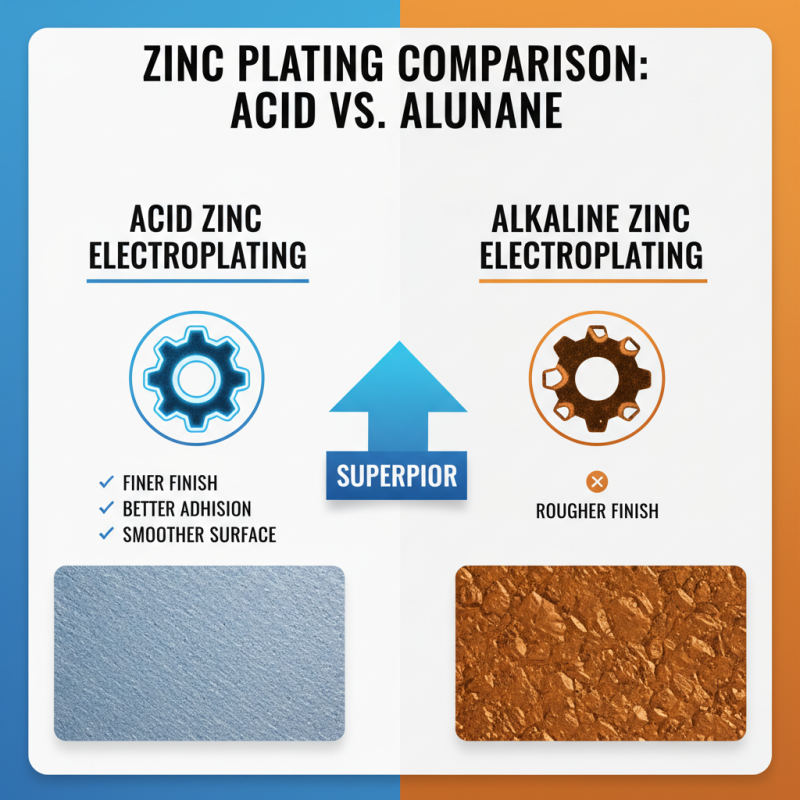
Acid zinc electroplating is gaining popularity for its unique advantages. When comparing it to other zinc plating methods, it stands out in several ways. Acid zinc provides a finer finish and better adhesion. It creates a smoother surface, giving a more appealing look to the coated part. Other processes, like alkaline zinc, may leave a rougher finish.
However, acid zinc can be less forgiving. Controlling pH levels is crucial. A small deviation can lead to poor coating quality. This requires careful monitoring and expertise. In contrast, alkaline methods are often more robust, making them easier to manage. They can offer decent results without as much precision.
Moreover, acid zinc typically provides better corrosion resistance than some traditional methods. However, it is essential to consider the environmental impact. Waste disposal from acid treatments can pose challenges. Finding a balance between efficiency and sustainability is crucial for this process. Thus, while acid zinc has notable benefits, reflection on its drawbacks is necessary for making informed choices.
Quality Control Measures in Acid Zinc Electroplating Processes
Acid zinc electroplating is an essential process used to provide corrosion resistance to metal parts. However, maintaining quality during this process is crucial. Quality control measures ensure the effectiveness and longevity of the coating. According to industry reports, a 5% defect rate in electroplated components can lead to significant financial losses. Regular inspections help to keep defect rates low.
One key aspect of quality control is monitoring bath chemistry. The pH levels, temperature, and ion concentrations need maintenance. Deviations can affect the deposition rate and coating quality. A well-monitored process can reduce the quality variability. Implementing standardized testing procedures can further enhance consistency.
Tips: Regularly calibrate your equipment. This step ensures accurate measurements. Train staff on quality assurance practices. Knowledgeable employees can spot issues early. Document all findings. This creates a record that helps in reflective practices and continuous improvement. Quality control measures are not just necessary; they are vital for success.
Quality Control Measures in Acid Zinc Electroplating Processes