7 Best Acid Zinc Electroplating Suppliers for Global Buyers
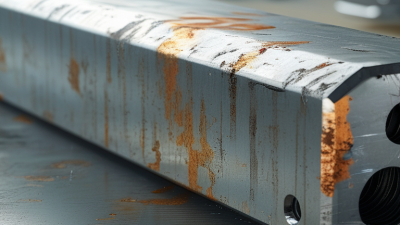
Acid Zinc Electroplating remains a practical choice for protecting steel fasteners, stamped parts, and machinery components from corrosion. Its appeal is tangible: a bright, even coating can cover threaded bolts without adding the thickness of many alternative finishes. But performance depends on more than appearance. Bath control, pretreatment, coating thickness, and post-plating handling all matter.
Market demand gives buyers a useful backdrop. Grand View Research estimated the global electroplating market at about US$19.6 billion in 2023 and forecast a 4.8% compound annual growth rate from 2024 to 2030. That figure covers electroplating broadly, not acid zinc alone, so it should not be treated as a direct measure of zinc-plating demand. Still, it signals a substantial supply base serving automotive, electronics, and industrial manufacturing.
Choosing a supplier requires evidence beyond a polished website. Ask for coating-thickness records, process-control details, sample parts, and test reports matched to the component’s use. ISO 2081:2018 provides requirements for electroplated zinc coatings on iron and steel, including supplementary treatments. Salt-spray results can help compare samples, but they do not predict every field condition. Important distinction.
This guide reviews seven suppliers for global buyers, with attention to technical capability, communication, quality documentation, and export experience. No supplier is ideal for every part. A low quote may also hide extra qualification work, a detail buyers sometimes discover too late.
Understanding Acid Zinc Electroplating and Its Applications
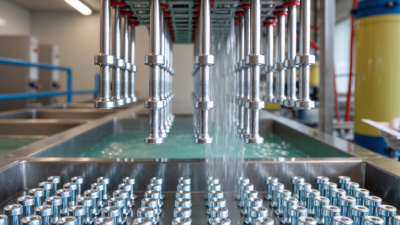
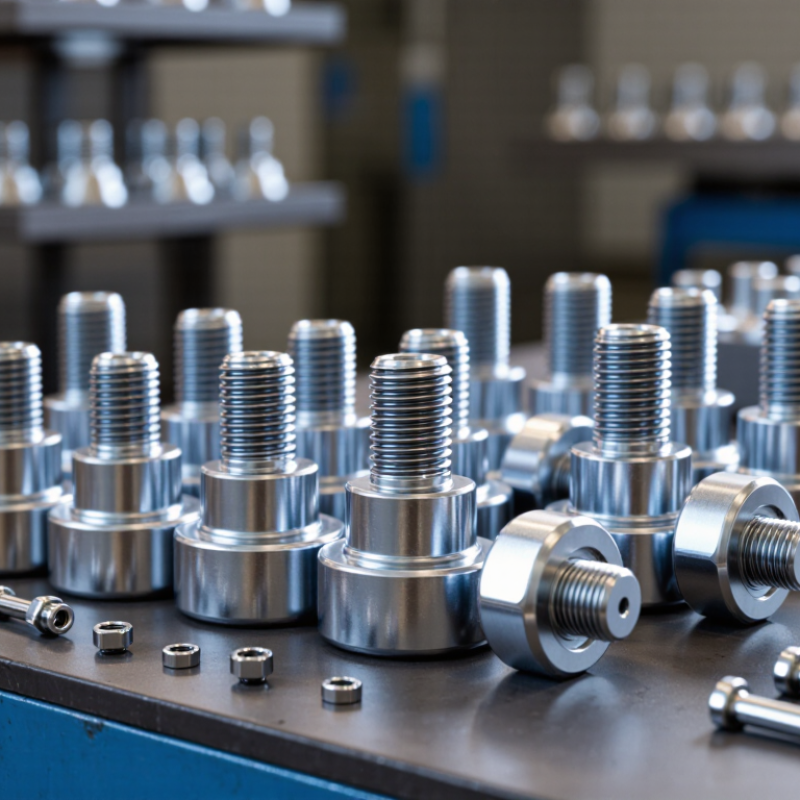
Acid zinc electroplating deposits a thin zinc layer onto steel using an acidic electrolyte. It suits fasteners, brackets, appliance panels, and small stamped parts. The process can provide a bright finish and consistent coverage across detailed surfaces. Useful, but not magic. Sharp edges and recessed areas may receive uneven deposits, so part geometry and racking deserve attention.
The USGS Mineral Commodity Summaries 2025 estimates that galvanizing accounts for about 55% of U.S. zinc consumption. This figure includes multiple galvanizing methods; it is not an acid-plating market share. For electroplated coatings on iron and steel, ISO 2081:2018 provides requirements for coating thickness and supplementary treatments. In practice, corrosion resistance also depends on cleaning, coating thickness, passivation, and the part’s exposure to moisture or road salts.
Tips: Ask suppliers for coating-thickness measurements and test results tied to your part geometry. Salt-spray hours are useful for comparison, but they do not directly predict outdoor service life. Check edges and threaded areas closely; those details are easy to overlook.
How to Evaluate Acid Zinc Electroplating Suppliers
A reliable acid zinc electroplating supplier should explain how its process fits your parts, not just quote a price. Ask whether components run on racks or in barrels, and how the supplier controls bath chemistry, current density, and line speed. These details affect coverage on edges, recesses, and threaded holes. A low price means little if critical surfaces receive uneven deposits.
Request sample parts and written inspection records. Check coating thickness at several locations, especially corners and sheltered areas. Ask how adhesion and corrosion resistance are tested, and whether reports identify the method and test conditions. Confirm that the supplier can follow your drawing, substrate requirements, and packaging instructions. Clear records matter. So does a direct answer when a result falls outside specification. A polished brochure proves very little.
Evaluate communication and production consistency during a trial order. Do operators flag difficult geometries before plating? Can the supplier explain what happens when incoming parts vary? Ask about capacity, lead times, and how changes are documented. These conversations reveal practical competence. Still, a checklist cannot predict every defect, and even a careful supplier may need process adjustments. Share representative parts, review the first inspection results together, and agree on acceptance criteria before scaling up.
Profiles of Seven Suppliers Serving Global Buyers
Global buyers can compare seven supplier profiles by production fit, not promises. A high-volume barrel-plating supplier suits small fasteners and repeat orders. A rack-plating specialist handles larger parts that need careful contact points. An automotive-focused supplier may offer stable process controls and lot traceability. Capacity matters.
A precision-parts supplier may support tighter thickness targets and X-ray fluorescence checks. An integrated finishing supplier can coordinate cleaning, plating, and post-treatment. An export-oriented supplier may provide clear packing records and shipment planning. A smaller job shop can adapt quickly to prototypes or mixed batches. Small shops can excel. But confirm their testing capacity before assigning critical work.
The U.S. Geological Survey’s Mineral Commodity Summaries 2025 estimates global zinc mine production at about 12 million metric tons in 2024. That figure describes mined zinc, not acid zinc plating demand; it offers supply-chain context, not a measure of coating capacity. Buyers should compare sample results, agreed coating specifications, corrosion-test methods, and delivery records. ISO 9227 salt-spray results can help, but test duration alone does not predict field life. I would not treat a polished datasheet as proof. Request a recent inspection report tied to the actual part and production lot.
Comparing Supplier Capabilities, Quality, and Coverage
Acid zinc suppliers differ in more than quoted price. Compare bath control, line capacity, inspection routines, and export support. A capable supplier should explain how it controls zinc concentration, pH, temperature, and brightener additions. Ask for recent coating-thickness records, adhesion checks, and corrosion-test results related to your part geometry. Useful detail matters. A flat coupon may not represent a threaded bracket or recessed hinge. Quality-system certificates are useful, but practical process data deserve equal attention.
Coverage includes more than the countries served. Check production locations, shipping routes, standard lead times, packaging options, and procedures for damaged or delayed shipments. For global orders, clear communication across time zones can prevent small specification changes from becoming costly rework. Ask whether the supplier can maintain a consistent finish across repeat batches and provide traceable lot records. This is easy to overlook. A low quote may suit a simple part, while complex assemblies often need tighter process control and responsive technical support. No supplier is perfect; an overlooked detail in your drawing can also undermine an otherwise sound coating plan.
How to Choose a Supplier for Your Sourcing Needs
Choosing an acid zinc plating supplier starts with the part, not the price list. Share the base metal, drawing, target coating thickness, and expected volume. Ask how the supplier controls bath chemistry, current density, and coating uniformity. The AMPP/NACE IMPACT study estimated corrosion costs at US$2.5 trillion annually, or 3.4% of global GDP. It also reported that corrosion-control practices could save 15–35% of those costs. These figures make process control worth checking closely.
Compare suppliers against the same acceptance criteria. Request trial parts, thickness measurements, adhesion results, and lot traceability records. Salt spray testing to ISO 9227 can help compare performance, but it does not predict service life by itself. Check whether the facility can handle your part geometry, batch size, and delivery schedule. Ask how it manages wastewater and protects workers. No checklist catches everything. I would still inspect sample parts under consistent lighting and ask what happens when a test result falls outside specification. A clear corrective-action process matters as much as a polished capability sheet.
7 Best Acid Zinc Electroplating Suppliers for Global Buyers — How to Choose a Supplier for Your Sourcing Needs
A standards-based reference for comparing zinc coating thickness requirements when evaluating suppliers.
How to use this chart: ISO 2081 coating designations include thickness classes of 5, 8, 12, and 25 µm. Confirm the applicable standard and required coating class for your parts, then ask suppliers how they verify coating thickness, corrosion performance, and coating uniformity.
Values shown are coating thickness class values, not supplier performance data. Confirm requirements against the current standard and your product specification.