Leave Your Message

Top Copper Anti-Color Agents for Global Buyers?

Global buyers need more than a polished product list when selecting a Copper Anti-Color Agent. Copper surfaces can darken, stain, or lose their reddish tone during storage, transport, processing, and display. Humidity, oxygen, fingerprints, packaging materials, and chemical residues all influence the final appearance. A treatment that performs well in a dry warehouse may fail inside a humid shipping container.

This guide examines leading Copper Anti-Color Agent options through practical purchasing criteria. These include color retention, film uniformity, compatibility with copper alloys, application temperature, dosage control, worker handling, and wastewater considerations. Technical data sheets matter. So do batch records, independent testing, and supplier responsiveness. Buyers should request accelerated aging results, salt-spray or humidity data, and samples tested on their own copper grade. Small differences in surface preparation can change the outcome.

Corrosion scientist Dr. Gerald S. Frankel offers a useful principle: “Corrosion control depends on understanding the environment, not merely adding a chemical.” That reminder fits anti-color treatment closely. The strongest product is not always the most concentrated one. It must match the metal, process, climate, and required service life. Some suppliers also understate limitations. That deserves scrutiny.

No shortlist is perfect. A product may deliver excellent brightness but create coating adhesion problems later. Another may protect well but increase rinsing demands. Global buyers should compare verified performance, total operating cost, documentation quality, and technical support before committing. This overview provides a realistic starting point, while encouraging laboratory trials and careful review before full-scale adoption.
Top Copper Anti-Color Agents for Global Buyers?

What Copper Anti-Color Agents Are and Why Global Buyers Need Them

Top Copper Anti-Color Agents for Global Buyers?

What Copper Anti-Color Agents Are and Why Global Buyers Need Them

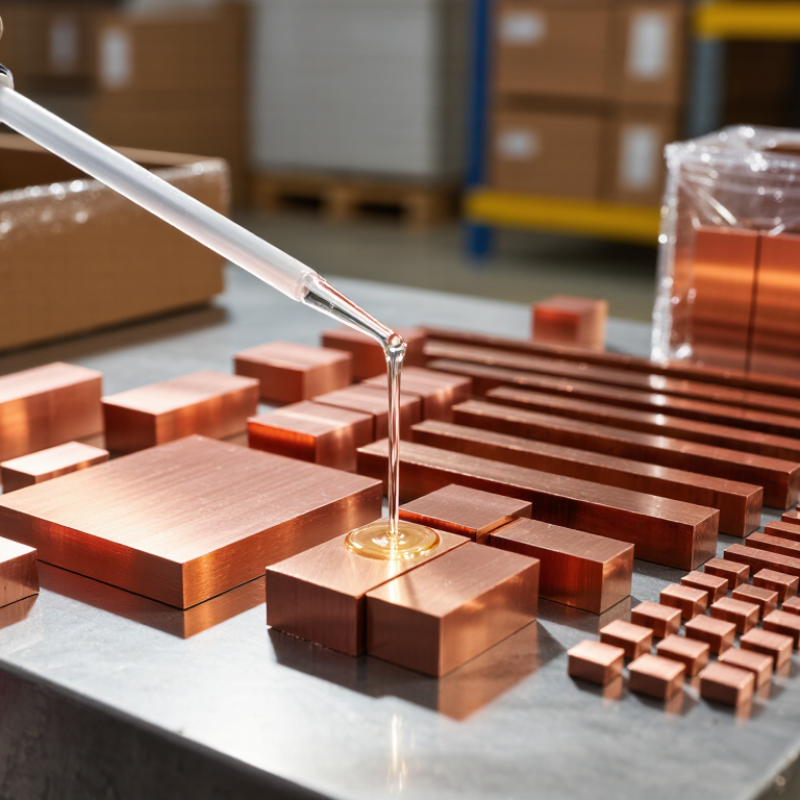
Copper anti-color agents are chemical treatments that slow tarnishing and surface discoloration. They help protect copper from oxygen, moisture, sulfur compounds, and fingerprints. These agents may form a thin protective film without greatly changing the metal’s appearance. Application can involve dipping, spraying, or controlled wiping, depending on the product and production line.

Global buyers need them because copper often travels through humid ports, warehouses, and changing climates. A polished copper fitting may leave a factory bright, then arrive with dark marks or uneven color. That creates rejection risks, rework costs, and customer complaints. Protective treatment can improve shelf stability, especially when products remain in storage for several months.

Packaging still matters. Anti-tarnish paper, dry conditions, and sealed cartons can support the treatment.

Experienced buyers should request technical data, safety documents, and test results from suppliers. Useful tests include humidity exposure, salt spray comparison, surface appearance checks, and conductivity testing. Compatibility also deserves attention. Some films may affect soldering, plating, painting, or later cleaning.

No formula works perfectly for every copper alloy. Results can change with surface preparation, water quality, and application temperature. This is where purchasing decisions become less simple. A low price may hide extra inspection or unstable performance. Small production trials are wiser than relying on laboratory claims alone.
How Copper Anti-Color Agents Prevent Tarnishing and Surface Discoloration

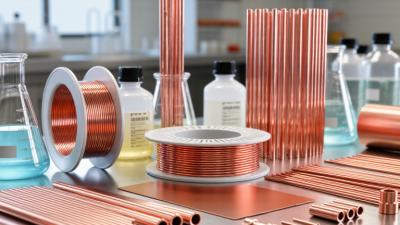
Copper tarnishes when oxygen, moisture, sulfur compounds, or salts react with its surface. Oxides create brown and black films, while sulfides can deepen discoloration. Copper anti-color agents slow these reactions by forming a thin protective layer. Some compounds adsorb onto copper atoms; others create a passivating film that limits water and oxygen contact.

The scale matters. The U.S. Geological Survey estimated global copper mine production at about 22 million metric tons in 2023. Even minor surface defects can affect large volumes of wire, terminals, heat exchangers, and decorative parts. The NACE IMPACT study estimated corrosion costs at 3.4% of global GDP. That figure covers all metals, not copper alone, but it shows why surface protection deserves careful testing.

For global buyers, useful evaluations include humidity exposure, sulfur vapor, salt spray, and electrical contact resistance. A good agent should protect without leaving oily residue or reducing solderability. Compatibility also matters with plating, polymers, and cleaning systems. The result is not permanent. Poor rinsing, uneven dosing, or storage near rubber materials can still cause stains. I have seen laboratory panels remain bright while packaged parts darkened later. That gap deserves more attention. Reports from ISO and ASTM testing practices can guide comparisons, but field conditions remain less predictable.

Top Copper Anti-Color Agents for Global Buyers? - How Copper Anti-Color Agents Prevent Tarnishing and Surface Discoloration
Comparative guide to commonly used copper and copper-alloy anti-tarnish technologies. Values shown are typical formulation ranges and should be confirmed by application-specific testing.
Anti-Color Agent Type Primary Chemical Function Typical Active Use Level Suitable Copper Materials How It Prevents Tarnishing Main Advantages Key Limitations and Buyer Checks
Benzotriazole (BTA) Triazole corrosion inhibitor that chemisorbs on copper and copper oxides. 0.05–1.00% active in aqueous treatment baths; lower levels may be used in formulated coatings. Electrolytic copper, brass, bronze, copper wire, heat-exchanger surfaces. Forms a thin, adherent copper–benzotriazole coordination film that reduces anodic copper dissolution and limits reaction with oxygen, moisture, and aggressive ions. Broad compatibility
Effective at low concentration; widely used in aqueous systems.
Performance depends on pH, contact time, cleaning quality, and rinsing. Confirm residual levels, wastewater requirements, and compatibility with later plating or soldering.
Tolyltriazole (TTA) Methyl-substituted triazole inhibitor with strong adsorption on copper alloys. 0.05–1.00% active in treatment solutions; commonly selected when longer-lasting film retention is required. Brass, bronze, copper tubing, copper-containing cooling systems, machined parts. Creates a relatively hydrophobic protective film that blocks active surface sites and slows oxidation, sulfide attack, and chloride-assisted corrosion. Good alloy protection
Useful for brass and bronze; often offers durable tarnish resistance.
May require controlled dissolution and sufficient immersion time. Check foaming, rinseability, color impact, and regulatory acceptance in the destination market.
Mercaptobenzothiazole (MBT) Sulfur-containing heterocyclic inhibitor with strong affinity for copper surfaces. 0.05–0.50% active is a common starting range for aqueous or solvent-based formulations. Copper, brass, bronze, and copper-bearing industrial components. Sulfur and nitrogen donor atoms bond strongly with copper, producing a compact barrier layer that reduces surface oxidation and corrosive electrochemical reactions. Strong adsorption
Can provide effective protection at low dosage.
Potential odor, staining, and environmental or wastewater concerns require evaluation. Confirm compatibility with silver, nickel plating, elastomers, and downstream coating processes.
Imidazole-Based Inhibitors Nitrogen-containing surface-active inhibitors designed for copper adsorption. 0.10–2.00% active, depending on molecular structure, solvent system, and required film durability. Copper foil, electronic components, copper alloys, precision parts, and water-based cleaning systems. Adsorb onto copper through nitrogen atoms and create a protective organic layer that separates the metal from oxygen, water, and ionic contaminants. Formulation flexibility
Can be tailored for water-based cleaners, coatings, and post-cleaning treatments.
Results vary considerably by molecule and formulation. Test electrical resistance, solderability, contact resistance, and residue after drying.
Alkanethiol or Thiol-Functional Treatments Sulfur-based film-forming treatment for self-assembled protective layers. 0.01–0.50% active, normally applied from dilute aqueous, alcohol, or hydrocarbon systems. Highly finished copper surfaces, electronic parts, decorative components, and precision metal surfaces. Thiol groups bond to copper and produce an organized low-permeability film that reduces contact with air pollutants, moisture, and sulfur-containing gases. Thin-film protection
Suitable where dimensional change and optical clarity are important.
Surface cleanliness is critical. Excess treatment can affect adhesion, solderability, coating wetting, or electrical contacts; odor and handling controls may be needed.
Organic Acid Salt Inhibitors Carboxylate-based corrosion inhibitors that adsorb on metal oxides and modify surface chemistry. 0.10–5.00% active, depending on acid type, neutralizing agent, and water chemistry. Copper alloys in cleaners, coolants, metalworking fluids, and temporary protection formulations. Forms an adsorbed organic layer and can reduce the availability of acidic or ionic species at the copper surface. Low-odor options
Often compatible with water-based industrial fluids and alkaline cleaners.
Usually requires optimization with pH and other inhibitors. Check foaming, residue, microbial stability, hard-water tolerance, and long-term tarnish performance.
Molybdate-Based Inhibitors Inorganic anodic inhibitor used to support passivation of copper and mixed-metal systems. Typically 0.01–1.00% active molybdate in aqueous cooling or corrosion-control formulations. Copper-containing cooling circuits, mixed-metal systems, industrial water-treatment applications. Promotes formation or stabilization of a less reactive surface film and helps reduce anodic metal dissolution under controlled water chemistry. Useful in water systems
Can complement organic inhibitors and reduce corrosion in recirculating fluids.
Not always sufficient as a stand-alone tarnish treatment. Monitor pH, conductivity, chloride, sulfate, concentration, and discharge requirements.
Polymer or Wax-Based Barrier Coatings Physical barrier that isolates copper from moisture, oxygen, fingerprints, and atmospheric pollutants. Approximately 0.5–10.0% solids in a ready-to-use coating formulation; dry-film thickness is application-dependent. Decorative copper, brass hardware, architectural surfaces, artwork, and non-contact components. Creates a continuous film that limits diffusion of water and reactive gases to the copper surface, thereby slowing oxidation and discoloration. Long-term barrier
Can provide gloss retention and fingerprint resistance when properly applied.
May alter appearance, gloss, conductivity, solderability, or recyclability. Confirm UV resistance, adhesion, recoatability, abrasion resistance, and removal method.
Selection priorities for global buyers: Match the inhibitor to the surface finish, cleaning process, exposure environment, required protection period, downstream operation, wastewater rules, and local chemical regulations. A laboratory screening program should include visual color change, mass loss, humidity exposure, salt exposure where relevant, and application-specific functional tests.
Typical evaluation parameters: active concentration, bath pH, treatment temperature, contact time, rinse quality, drying conditions, surface cleanliness, film uniformity, tarnish resistance, coating adhesion, solderability, electrical contact resistance, odor, and regulatory documentation. The stated ranges are general industry starting points rather than guaranteed performance specifications.

Key Types and Formulations Used in Copper Protection

Global buyers are evaluating copper anti-color agents more carefully as copper demand expands. The USGS Mineral Commodity Summaries 2024 reported approximately 22 million metric tons of mined copper in 2023. More copper also means greater demand for stable surface protection.

Benzotriazole and tolyltriazole remain common organic inhibitors. They form a thin protective film on copper and brass surfaces. Water-based formulations usually combine these actives with surfactants, buffers, and low-foam additives. Solvent-based systems can improve wetting on oily components, but they may increase VOC concerns. Some buyers prefer carboxylate or polymeric inhibitors for longer protection and easier wastewater management. The right choice depends on contact time, humidity, temperature, and final surface appearance.

Small details matter. Test the actual alloy. Bronze and brass may respond differently from pure copper. Check active concentration, pH, flash point, storage stability, and residue after rinsing. The IEA’s Global Critical Minerals Outlook 2024 identifies copper as essential to expanding power networks and clean-energy equipment. That pressure encourages longer protection cycles, but stronger chemistry is not always better. Excess inhibitor can leave haze, adhesion problems, or an uneven color. I have seen laboratory results fail during production because rinsing water changed the film. Buyers should request batch data, corrosion testing, and compatibility evidence under real operating conditions.

Performance Criteria for Comparing Global Suppliers and Products

Top Copper Anti-Color Agents for Global Buyers?

Selecting a copper anti-color agent requires more than checking the lowest price. The treatment should slow oxidation, preserve the original copper tone, and avoid a cloudy film after drying. Buyers should compare color retention after humidity exposure, salt spray, heat aging, and handling. A useful screening test uses identical copper panels, controlled dosage, and visual measurement after 24, 72, and 168 hours. Small differences become obvious under warehouse lighting.

Compatibility matters just as much. A strong agent may interfere with plating, welding, coating adhesion, or downstream cleaning. Ask suppliers for pH tolerance, bath-life data, residue analysis, and application temperature limits. The International Energy Agency reported that clean-energy copper demand could rise from about 6.3 million tonnes in 2023 to more than 10 million tonnes by 2035. Higher copper use increases the value of reliable surface protection.

Supply performance also needs measurement. Compare batch consistency, technical support response time, packaging stability, and documented quality controls. Request test certificates, safety data, and accelerated-aging results from independent laboratories when possible. S&P Global’s 2024 copper outlook projected a potential supply shortfall of roughly 10 million tonnes by 2035. That pressure may encourage rushed substitutions. It is a risk. Some evaluations remain incomplete, especially when results come from polished laboratory coupons rather than complex production parts. A practical trial should include fingerprints, bends, moisture, and actual transport conditions.

Safety, Compliance, Packaging, and International Purchasing Factors

Top Copper Anti-Color Agents for Global Buyers

Copper anti-color agents help reduce tarnish, discoloration, and surface oxidation during storage or processing. Global buyers should assess performance and safety together. Request a current Safety Data Sheet, technical data sheet, certificate of analysis, and batch traceability records. Check the ingredient status for the destination market. Requirements may differ across regions. GHS labels, transport classifications, customs codes, and restricted-substance rules also need verification. Do not rely on a supplier’s general compliance statement alone.

Packaging can affect product quality. Choose sealed, chemically compatible containers with clear lot numbers and expiry dates. Moisture-sensitive materials may require barrier liners and dry storage instructions. Ask about shelf life after opening. For international shipments, confirm pallet stability, temperature limits, and documentation before booking freight. A small weakness remains: laboratory aging tests cannot perfectly predict every factory environment. Copper alloy, humidity, cleaning residues, and handling methods can change the result.

Tips: Request a small sample first. Test it on your actual copper parts. Compare color, adhesion, odor, residue, and corrosion protection after storage. Keep written acceptance criteria. Discuss minimum order quantities, lead times, payment terms, and Incoterms early. Independent inspection may be worthwhile for larger orders. Supplier audits should review production controls, worker protection, waste handling, and corrective-action records. Be cautious with unusually low prices. Reliability is rarely accidental.