10 Best Dehydrating Agents for Effective Moisture Removal?
Dehydrating agents play a crucial role in removing moisture from various substances. With advancements in technology, the effectiveness of these agents has significantly improved. Dr. Emily Carter, a leading expert in chemical engineering, once stated, "Choosing the right dehydrating agent can dramatically enhance product stability and shelf life."
The market offers a range of dehydrating agents, each with unique properties and applications. Some are more effective in specific conditions than others. For instance, silica gel is widely used in packaging due to its non-toxic nature and efficiency. Meanwhile, calcium chloride is preferred in industrial settings for its rapid moisture absorption capability.
However, the selection process is not without its challenges. A common mistake is overestimating an agent's effectiveness without proper knowledge of the moisture content and environment. It's essential to analyze the specific requirements and limitations of each dehydrating agent. This ensures optimal performance and reliability in moisture removal.
Understanding Dehydrating Agents and Their Importance
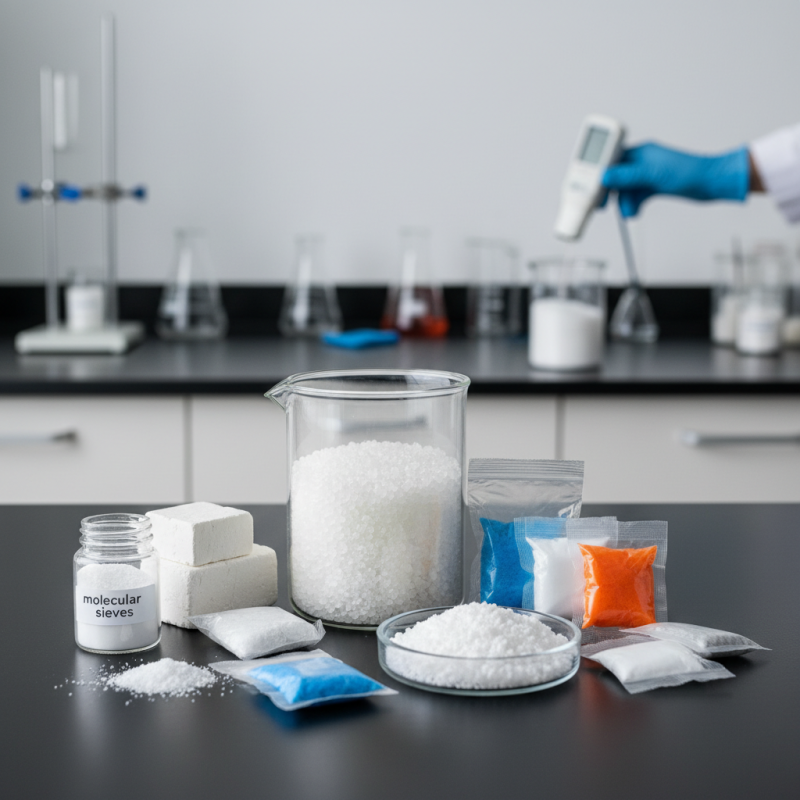
Dehydrating agents play a critical role in moisture removal across various applications. Their effectiveness lies in their ability to absorb moisture from the environment. For instance, silica gel is common in packaging because it keeps products dry. Calcium chloride is another effective agent often used in humidity control. Understanding these agents enhances our ability to select the best one for specific needs. Each type has its unique properties that can impact effectiveness.
Choosing the right dehydrating agent requires knowledge and experience. Factors such as temperature, humidity, and the material you’re working with matter. Some agents work better in certain climates. In practice, you might find that one agent does not perform as expected in a different setting. This unpredictability emphasizes the need for careful evaluation. Testing small batches can help you determine effectiveness before scaling up.
Experience shows that relying solely on one type of dehydrating agent can lead to suboptimal results. The interplay of moisture levels and environmental conditions often complicates the process. Therefore, maintaining a flexible approach allows for better outcomes. In the end, understanding these intricacies increases reliability in moisture removal strategies.
Top 10 Dehydrating Agents for Effective Moisture Removal
Types of Dehydrating Agents: An Overview
Dehydrating agents play a crucial role in moisture removal across various applications. Understanding their types can help you choose the right one for your needs. Common categories include desiccants, absorbents, and dehumidifiers. Each type offers unique benefits and limitations.
Desiccants such as silica gel and alumina are effective in trapping moisture. They are often used in packaging to protect products from humidity. Absorbents, like activated carbon, can also draw moisture but focus more on capturing odors and chemicals. Dehumidifiers, which range from small units to large industrial systems, mechanically remove water vapor from the air. However, they may require electricity and maintenance, which can be a drawback.
The effectiveness of these agents can vary based on the environment. For instance, a desiccant might work well in a sealed container but not in an open space with high humidity. Similarly, absorbents may saturate quickly, losing their effectiveness. It's essential to evaluate their performance continuously, ensuring they meet your specific requirements.
10 Best Dehydrating Agents for Effective Moisture Removal
| Dehydrating Agent |
Chemical Formula |
Common Uses |
Effectiveness |
| Silica Gel |
SiO2 |
Desiccants, Food Packaging |
High |
| Calcium Chloride |
CaCl2 |
Road De-icing, Humidity Control |
Very High |
| Sodium Sulfate |
Na2SO4 |
Laboratory Drying, Absorbent Material |
Moderate |
| Molecular Sieves |
Varies |
Gas Purification, Chemical Drying |
High |
| Activated Alumina |
Al2O3·nH2O |
Water Purification, Drying Agents |
High |
| Sodium Bicarbonate |
NaHCO3 |
Baking, Odor Neutralization |
Low |
| Boric Acid |
H3BO3 |
Pest Control, Wood Preservation |
Moderate |
| Cation Exchange Resins |
Varies |
Water Softening, Chemical Processing |
High |
| Phosphorus Pentoxide |
P2O5 |
Desiccant, Chemical Synthesis |
Very High |
| Diatomaceous Earth |
SiO2·nH2O |
Filter Aids, Absorbent Materials |
Moderate |
Top 10 Dehydrating Agents for Optimal Moisture Removal
When it comes to moisture removal, selecting the right dehydrating agent is crucial. Various substances can efficiently eliminate moisture, each with unique properties. For optimal moisture removal, you might consider using silica gel, calcium chloride, or activated alumina. These agents are effective in preventing damage from humidity. They are often used in food storage, electronics, and even in homes.
**Tip:** Always choose a dehydrating agent based on your specific needs. Different applications require different efficiency levels. For instance, silica gel is particularly useful for small spaces like closets or drawers. It’s lightweight and easy to use, but its limits become apparent in larger areas. Consider using a combination of agents for better results.
Some people overlook the importance of proper placement. Dehydrating agents work best when adequately distributed around the area. Ensure that airflow isn’t obstructed. This might sound trivial, but it can significantly impact effectiveness. Experimenting with placement can yield surprising results. Don't hesitate to assess and adjust your setup as needed. Keeping track of humidity levels can help you understand which methods are working.
Applications of Dehydrating Agents in Various Industries
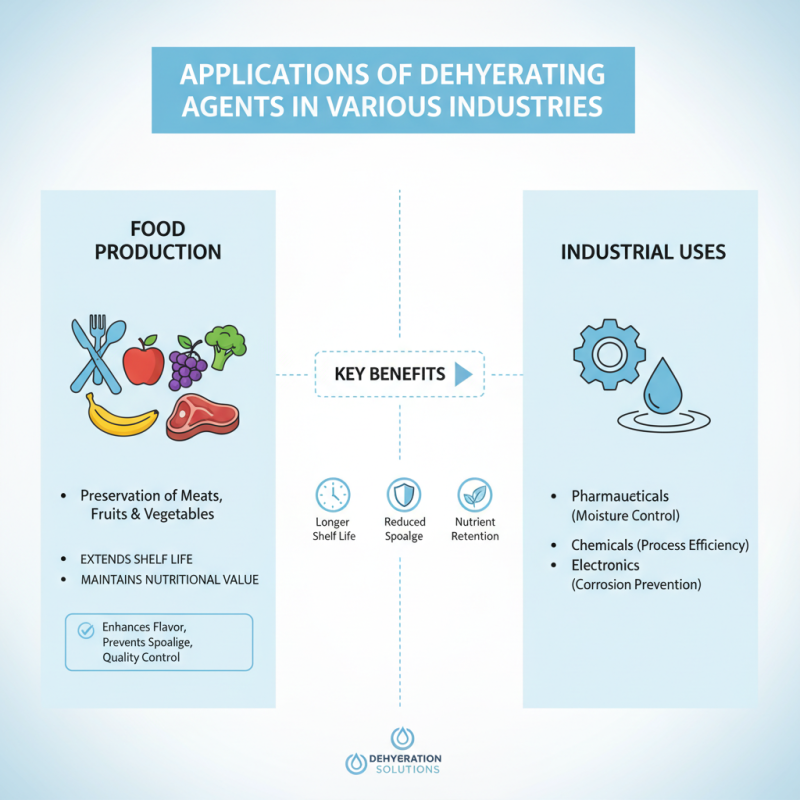
Dehydrating agents play a crucial role across many industries. In food production, they help preserve meats, fruits, and vegetables. This process extends shelf life and maintains nutritional value. Using proper agents can enhance flavor while preventing spoilage. The food sector relies heavily on these agents for quality control.
In pharmaceuticals, dehydration maintains the stability of active ingredients. Proper moisture removal ensures that medications remain effective over time. It's essential to choose the right agent for each product. Mismanaging dehydration can lead to reduced efficacy or product failure, raising concerns for consumers and manufacturers alike.
Textiles also benefit from dehydrating agents. For example, moisture absorption in fabrics can lead to mold growth. Using effective agents can prevent this issue, ensuring product longevity. However, the balance is delicate. Over-dehydration can compromise the fabric's integrity, leading to unwanted brittleness. Adjusting techniques and agents is essential for optimal results.
Safety Considerations When Using Dehydrating Agents
When using dehydrating agents, safety is paramount. Many common desiccants, such as silica gel or calcium chloride, can pose risks if mishandled. For example, silica gel is generally safe but can be harmful if ingested. Ingestion cases, though rare, can lead to gastrointestinal issues. The National Capital Poison Center has documented cases of similar incidents, emphasizing caution.
Another concern lies in chemical dehydrating agents, which can release harmful fumes. Ammonium sulfate is effective for moisture removal, but it can irritate the skin and respiratory tract. A study by the American Chemical Society reported that prolonged exposure can lead to chronic health issues. Proper ventilation is crucial when working with such agents. Wearing gloves and masks can also mitigate risks significantly.
Additionally, disposal of dehydrating agents should not be overlooked. Some materials require special handling to avoid environmental contamination. A survey conducted by the Environmental Protection Agency (EPA) found that improper disposal of desiccants contributes to hazardous waste. Research shows that educating users on safe handling and disposal can significantly reduce these risks. Awareness is key to maximizing safety when using dehydrating agents.