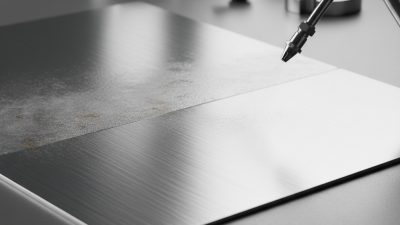
Choosing the right Nickel Plating Protective Agent is not a label-reading exercise alone. Buyers need to know how the product performs on their actual parts, in their bath conditions, and through storage and handling. A bright sample can look convincing under clean lighting. The same finish may show staining after rinsing, drying, or a week in humid storage. Small trials matter.
Metal-finishing educator Frank Altmayer is a relevant expert voice, but I cannot verify a direct quotation from him on this specific product category. Rather than invent one, this guide uses a practical buying principle: “Test protection under real process and storage conditions.” It is a decision rule, not a quotation attributed to Altmayer.
The best choice depends on the application. Buyers should compare corrosion protection, compatibility with the existing process, residue, ease of removal, and consistency between batches. Ask suppliers for technical data, recommended use conditions, and test results relevant to the parts being treated. Then evaluate representative samples—not just a polished coupon. One detail is easy to overlook: protective performance can vary with surface preparation and drying time. A product that works well in one line may disappoint in another. That deserves a careful trial, not an assumption.
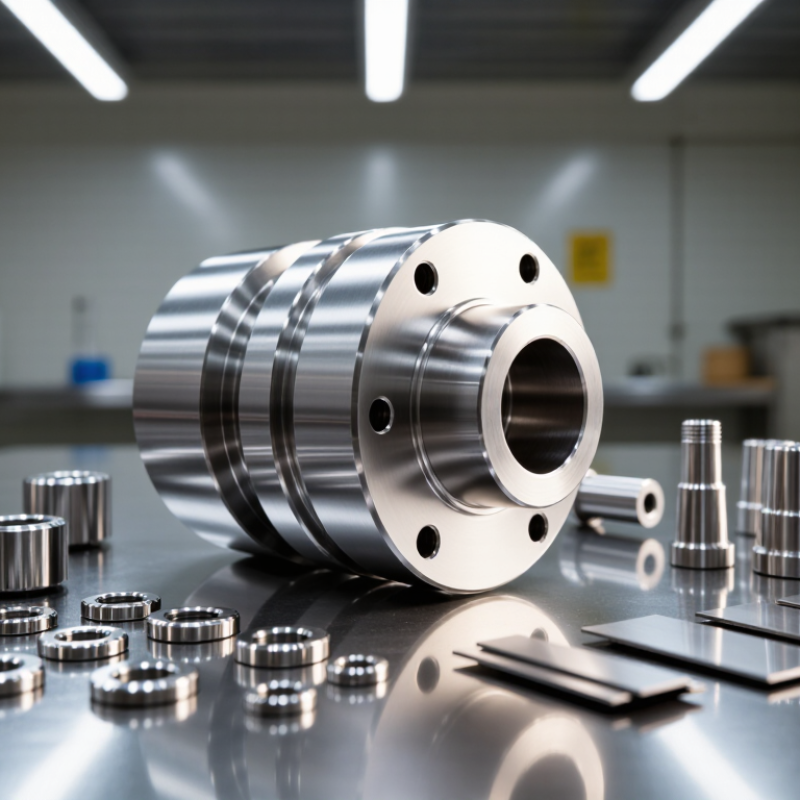
A nickel plating protective agent is a post-treatment applied to a plated surface to slow tarnishing, staining, or corrosion. It may form a thin barrier, reduce exposure to moisture, or help preserve a bright finish. It is different from additives used in the plating bath, which affect how nickel deposits during electroplating. The exact chemistry matters. Some treatments can slightly change color, gloss, or electrical contact performance, so buyers should match the agent to the part’s use.
Picture a small plated fitting stored in a damp warehouse: fingerprints and condensation can mark its surface before installation. A suitable protective agent may reduce that risk, but it cannot repair poor plating or guarantee service life. NACE International’s 2016 IMPACT study estimated global corrosion costs at US$2.5 trillion annually, about 3.4% of global GDP. That figure covers many industries, not nickel-plated parts alone. Buyers should ask for test data on the actual coating system, including humidity or salt-spray results, and check appearance and contact requirements. ISO 9227 defines salt-spray testing methods, but such results do not directly predict years of field performance. Not magic. Selection still depends on the substrate, nickel thickness, storage conditions, and cleaning process.
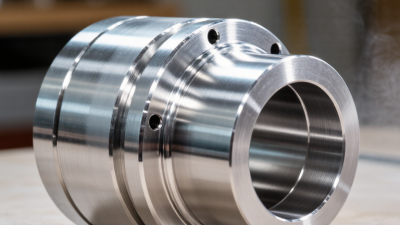
Nickel plating looks durable, but fingerprints, humid air, and tiny pores can dull its shine. A protective agent forms a thin barrier that limits contact with moisture, oxygen, and corrosive residues. On a plated fitting, even a small unprotected edge may become a starting point for corrosion. Small details matter. The film can also reduce tarnish during storage and handling, but it cannot repair damaged plating or seal every defect.
NACE International’s 2016 IMPACT study estimated global corrosion costs at US$2.5 trillion annually, about 3.4% of global GDP. It also estimated that applying existing corrosion-control practices could save 15–35% of those costs. These figures cover many industries, not nickel-plated parts alone. Still, they show why surface protection deserves attention. Buyers should check film compatibility with the part’s use, cleaning process, and required appearance. A residue that protects well may complicate later bonding or finishing. Protection is not permanent. Storage humidity, coating coverage, and handling all affect performance, so test representative parts under realistic conditions before choosing an agent.
Nickel plating protective agents serve different purposes, so buyers should match the product to storage time, handling, and exposure. Anti-tarnish treatments leave a very thin layer that slows discoloration on decorative parts, such as plated taps or trim. They are useful when appearance matters and parts will be handled soon after finishing. Thin films matter.
Temporary corrosion-inhibiting oils or water-displacing fluids suit parts kept in storage or shipped in damp conditions. They can protect threaded fittings and machined components, but may leave residue that needs removal before assembly or coating. Clear polymer coatings offer a more durable barrier for items exposed to frequent handling. They can alter gloss or feel, so test the finish first. Not every finish agrees.
Wax-based protectants can help on larger parts during transport, though they may be inconvenient to remove from detailed surfaces. Buyers should check compatibility with the nickel finish, application method, and planned cleaning steps. A small test panel is worth the extra step. There is no universal winner, and product data alone may not predict performance on a particular part. Record the treatment, drying time, and storage conditions during trials; these details make comparisons more useful.
| Protective Agent Type | How It Protects | Typical Uses | Advantages | Selection Considerations |
|---|---|---|---|---|
| Clear organic lacquer or resin coating | Forms a transparent barrier that limits contact with moisture, air, and handling contaminants. | Decorative nickel-plated fittings, indoor hardware, and parts where appearance retention is important. | Can help reduce fingerprints, tarnishing, and surface contamination while preserving the plated appearance. | Check film clarity, adhesion, curing requirements, chemical resistance, and whether the coating changes gloss or color. |
| Thin polymer sealer | Leaves a thin film that can reduce exposure through surface pores and minor discontinuities in the plated layer. | Plated components requiring an additional barrier, including parts exposed to indoor humidity or routine handling. | Often applied as a post-plating treatment and may add protection without a heavy coating. | Confirm compatibility with the nickel deposit and any later painting, bonding, polishing, or electrical-contact requirements. |
| Corrosion-inhibiting or water-displacing oil | Deposits a temporary oily film; water-displacing grades help remove residual moisture from the surface. | Short-term storage, shipment, workshop handling, and moving parts that can tolerate an oily residue. | Useful for temporary protection and can be suitable for parts with complex shapes or recesses. | Consider film thickness, cleanliness requirements, removal method, lubricant compatibility, and storage duration. |
| Protective wax | Creates a temporary moisture- and handling-resistant surface film. | Storage or transport of decorative parts and components that are not subject to frequent abrasion. | Can reduce fingerprints and light surface contamination; some wax films can be removed before final use. | Check residue, heat resistance, ease of application and removal, and whether the part will later be painted or bonded. |
| Nickel-compatible anti-tarnish treatment | Uses a surface-active inhibitor to reduce discoloration under the conditions for which the treatment is formulated. | Decorative nickel surfaces where appearance and resistance to handling-related tarnish are priorities. | May provide protection with little visible change when properly selected and applied. | Verify that the treatment is specifically suitable for the nickel deposit; performance varies with formulation, rinsing, and service environment. |
| Clear paint or durable topcoat | Provides a separate barrier layer over nickel plating to reduce exposure to moisture, chemicals, and abrasion. | Parts needing a more substantial protective film or a specified finish beyond the nickel layer alone. | Can be selected for a particular film thickness, appearance, or service environment. | Surface preparation and adhesion testing are important; assess curing, edge coverage, wear, and chemical exposure. |
| Temporary removable protective film | Covers the plated surface with a peelable film that helps prevent scratches and handling marks. | Finished components during packaging, transport, assembly, and short-term storage. | Provides physical protection without leaving a permanent coating when removed as directed. | Check adhesion level, residue after removal, storage temperature, and compatibility with the nickel finish. |
Selection note: Protective performance depends on the nickel deposit, its thickness and surface condition, the underlying material, application quality, and the service environment. Test the complete process on representative parts before production use.
Comparing nickel-plating protective agents starts with the part’s actual service conditions. A bright decorative fitting stored indoors needs different protection from a component exposed to humidity or frequent handling. Check whether the agent forms a consistent film without dulling the nickel’s appearance. Look closely at edges, recesses, and threaded areas, where uneven coverage can leave weak spots.
Test matched samples, not just a supplier’s headline claims. Record film appearance, drying time, residue, and corrosion results under the same conditions. Humidity exposure and salt-fog testing can help compare candidates, but neither test alone predicts every real-world outcome. Small differences matter. A tacky surface may collect dust, while excess residue can interfere with assembly or later finishing. Confirm compatibility with the part’s cleaning process and any seals or adhesives nearby.
Application behavior is another useful measure. Does the agent spread evenly by dipping, spraying, or wiping? Can operators repeat the same coverage without a complicated setup? Track results across several batches; one clean sample proves very little. It is tempting to rank products by protection duration alone, but that misses appearance, handling, and removal needs. Some comparisons will still be imperfect, especially when storage conditions vary. Record those limits rather than treating a single test as a guarantee.
2026 Best Nickel Plating Protective Agent for Buyers
How Buyers Can Select an Agent for Their Application
Choose a protective agent for the actual nickel-plated part, not just its material name. A bright decorative finish, a machined component, and a part stored outdoors may need different protection. Check the agent’s compatibility with the nickel surface and any later steps, such as painting, bonding, or assembly. Residue can interfere with adhesion. Ask for technical data on application method, drying conditions, and expected protection, then compare those details with your line’s temperature and cycle time. Small details matter.
Tips: Test representative parts. Inspect edges, holes, and recesses for uneven coverage. Record appearance before and after treatment.
Before approving a product, run a controlled trial using your own rinse water, drying setup, packaging, and storage conditions. Check for haze, color change, tackiness, and corrosion after a defined exposure period. A neat sample on a bench may not reflect a crowded production rack. That gap is easy to overlook. Review safety and handling documentation, and ask the supplier to explain test methods and limitations. If results are mixed, adjust one process variable at a time; changing several at once makes the cause harder to identify.