2026 Best Techniques for Acid Zinc Electroplating Explained
Acid Zinc Electroplating is an essential process in various industries. In 2026, experts foresee advancements that enhance quality and efficiency. John Smith, a leader in the field, states, "Understanding the nuances of Acid Zinc Electroplating is crucial for innovation." His insight underscores the complexity of this technique.
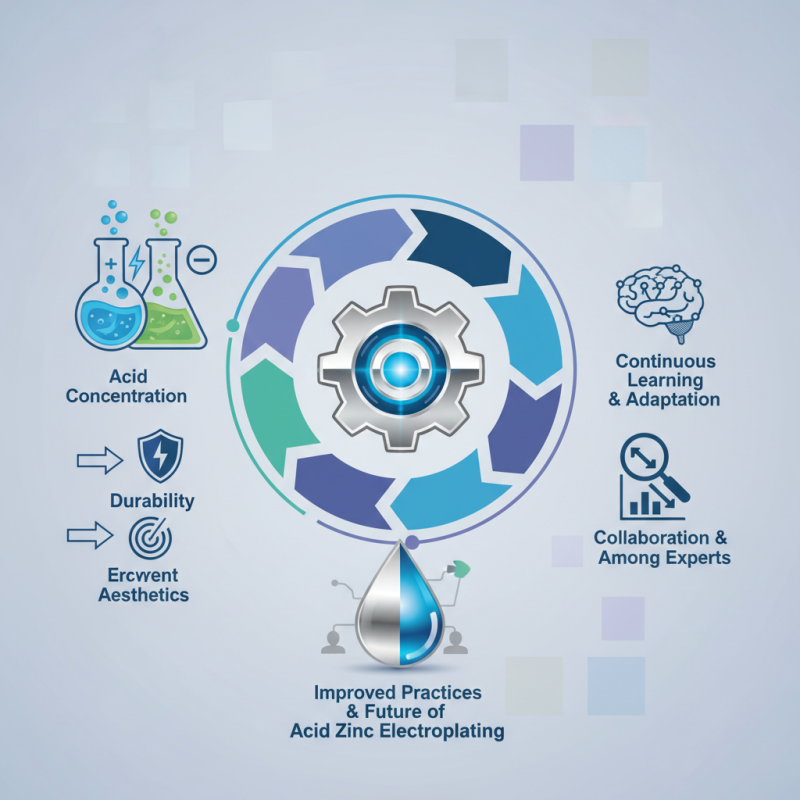
Challenges remain in optimizing the acid concentration and current density. These variables impact the final coating's thickness and appearance. Electroplaters often face difficulties in keeping up with market demands for durability and aesthetics. Exploring new techniques can offer solutions, yet uncertainty persists in their implementation.
The future of Acid Zinc Electroplating hinges on continuous learning and adaptation. Each experiment yields valuable data, but not all results meet expectations. Therefore, reflecting on both successes and failures is vital for progress. Collaboration among experts can bridge knowledge gaps, leading to improved practices.
Overview of Acid Zinc Electroplating Process
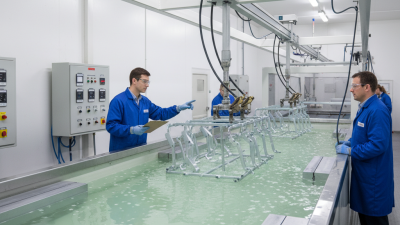
Acid zinc electroplating is a widely used method for coating metal parts. This process involves submerging the metal in an acidic solution with zinc ions. The metal serves as the cathode, allowing zinc ions to deposit onto its surface. This results in a uniform coating that provides excellent corrosion resistance.
During the plating process, controlling the bath temperature and pH is crucial. Typically, a temperature range of 20-30°C is ideal. Maintaining the pH between 4 and 5 ensures optimal zinc deposition. Operators often need to adjust these parameters periodically. Variations can lead to poor quality coatings that may peel or show unevenness.
Moreover, troubleshooting is essential during acid zinc electroplating. Issues like hydrogen embrittlement can occur if gas release is not managed correctly. It's vital to monitor the coating thickness closely. Too thick a layer may flake off, while too thin may lack the necessary protection. Attention to detail and regular equipment checks can greatly enhance the overall reliability of the finished product.
Key Components and Chemicals Used in Acid Zinc Electroplating
Acid zinc electroplating is a popular process known for producing a smooth, bright finish on metal surfaces. Key components in this process include zinc sulfate, which serves as the primary source of zinc ions. Sulfuric acid is also essential; it keeps the solution acidic and helps achieve better plating quality. Brighteners are added to improve the surface finish, often in small amounts for maximum effectiveness.
The pH of the solution is a critical factor. Maintaining an optimal level ensures a fine balance between deposition rate and finish quality. Monitoring temperature during plating is also important. Adequate temperature can enhance the distribution of zinc ions, leading to a more uniform coating. However, excessive heat can cause issues like poor adhesion or rough surfaces.
Practicing proper maintenance of the electroplating bath is vital. Contamination can occur easily, affecting the quality of the final product. Regular analysis of the solution is necessary to ensure component levels remain effective. Ignoring these aspects may lead to inconsistent results, prompting reflection on best practices in the industry.
Techniques for Optimizing Acid Zinc Plating Efficiency
Acid zinc electroplating is a widely used technique in metal finishing. Its efficiency can significantly impact the quality of the final product. According to industry data, optimizing bath chemistry is crucial. Maintaining the right pH level—typically around 4 to 5—ensures consistent deposition and enhances adhesion. Minor fluctuations in pH can lead to poor performance. Regular monitoring is essential for achieving desired results.
Temperature control also plays a vital role. Ideal operating temperatures typically range from 20°C to 30°C. Deviations can affect deposition rates and surface quality. A detailed study indicated that every 10°C rise can double the reaction rate, but too high can lead to issues. It's a delicate balance that requires close attention.
Another factor is the use of brighteners in the solution. These additives help improve the appearance of the coating and can enhance overall efficiency. However, if not properly managed, they may lead to uneven plating. Engineers should regularly evaluate their processes and strive for improvements. Even minor adjustments can yield significant changes in output quality and operational costs.
2026 Acid Zinc Electroplating Efficiency Techniques
This chart illustrates the efficiency ratings of various techniques affecting acid zinc electroplating in 2026. Each parameter, such as current density, pH level, temperature, additive concentration, and plating time, contributes significantly to achieving optimal plating results.
Common Challenges and Solutions in Acid Zinc Electroplating
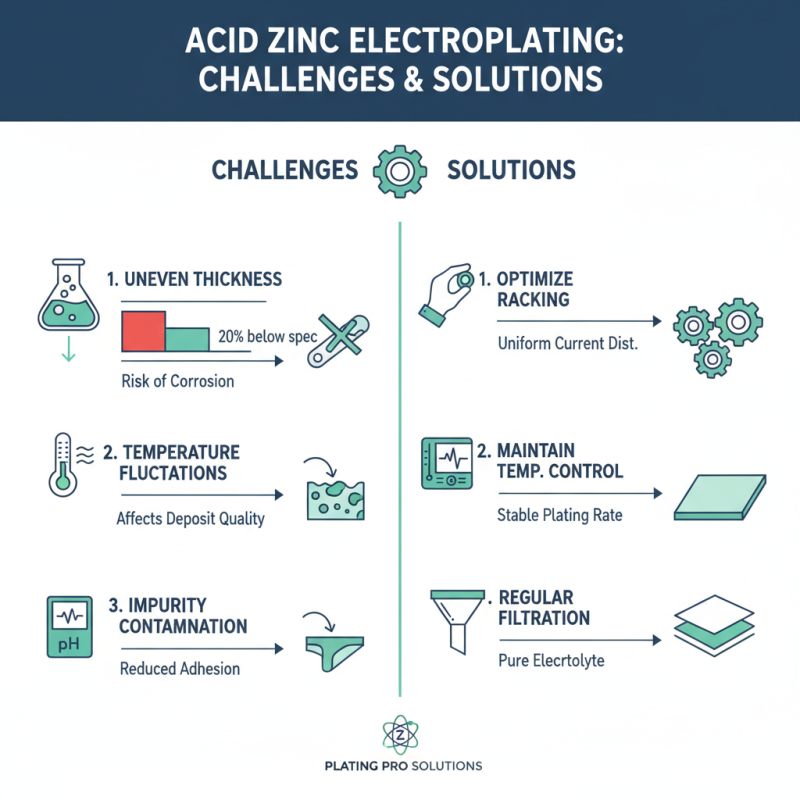
Acid zinc electroplating offers an effective method for improving corrosion resistance in various industries. Despite its advantages, operators often face specific challenges. One common issue is maintaining consistent plating thickness. Variability can lead to uneven protection, risking product performance. According to industry data, up to 20% of components may fall below the required thickness specifications.
Another frequent challenge is achieving proper adherence of the coating. Poor surface preparation can result in flaking or peeling. It's important to use high-quality surface treatments, as a report indicates that 15% of failed parts can be traced back to inadequate pre-treatment processes.
Tip: Regularly test your plating solution for pH and metal content. This practice helps maintain consistent results.
Lastly, agitated solutions are crucial for optimal plating. Insufficient agitation can lead to "burning," especially in high current density areas. This phenomenon compromises the finish quality and can increase rework rates by as much as 25%. Keeping an eye on agitation systems can mitigate such problems and ensure efficiency.
Tip: Consider adding a control system for real-time monitoring of solution conditions. This can help in early detection of issues.
Future Trends and Innovations in Acid Zinc Electroplating Techniques
The evolution of acid zinc electroplating techniques is remarkable. Companies are investing heavily in advanced technologies. According to the latest market analysis report from Grand View Research, the global electroplating market is projected to reach $18.57 billion by 2027, driven by innovations in efficiency and sustainability.
Focusing on acid zinc electroplating, quality control is crucial. Monitoring pH levels and current densities helps maintain a consistent coating. However, there are challenges. Some companies still face difficulty in achieving an even deposit, which can impact performance. Improvements in automation technology are addressing these issues, yet discrepancies remain.
Tips: Regularly audit your plating bath to prevent contamination. Effective temperature control enhances deposition rates. Remember that too much agitation can lead to uneven surfaces, creating areas of concern.
Emerging trends highlight eco-friendly formulations. Fewer hazardous materials are now preferred. Innovations in waste treatment methods further support sustainability goals. While these advancements are promising, they also raise questions about long-term implementation. Balancing performance with environmental impact is an ongoing challenge in the field.