10 Best Zinc Nickel Alloy Applications for Enhanced Performance?
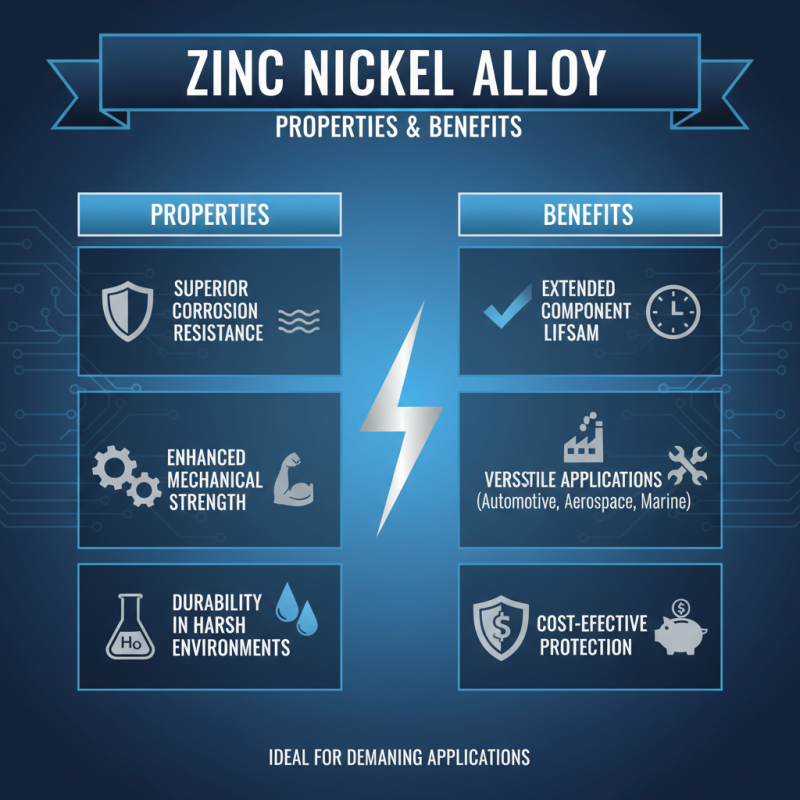
Zinc Nickel alloy has become a vital component in various industries due to its exceptional properties. It offers superior corrosion resistance compared to traditional zinc coatings. This alloy is particularly effective in harsh environments, making it ideal for automotive and aerospace applications. Its unique combination of zinc and nickel enhances performance, durability, and longevity.
In the automotive sector, Zinc Nickel alloy is used in components that require high strength and resistance to corrosion. These parts face constant exposure to moisture and chemicals. The use of this alloy ensures longer service life and reduced maintenance costs. In aerospace, it's critical for the reliability of various systems, including fasteners and structural components.
Despite its advantages, the application of Zinc Nickel alloy requires careful consideration of the manufacturing process. The alloy must be properly plated to achieve optimal performance. Improper application can lead to issues like uneven coating or compromised properties. Continuous research and development are needed to address these challenges and refine the use of Zinc Nickel alloy in innovative ways.

Zinc Nickel Alloy: An Overview of Its Properties and Benefits
Zinc nickel alloy has gained popularity due to its impressive properties and benefits. It offers excellent corrosion resistance, making it ideal for various applications. This alloy is particularly effective in harsh environments, where traditional coatings may fail. Its unique composition enhances mechanical strength, providing long-lasting durability.
Tips: Use zinc nickel for critical components. Its superior protection against corrosion ensures reliability in automotive and aerospace applications.
Additionally, zinc nickel's ability to serve as a barrier against salts and other corrosive agents sets it apart from other coatings. It's not just about resistance; the alloy also enhances the aesthetic appeal of components when finished appropriately. That said, achieving the right application method is crucial. Improper techniques can lead to inconsistent performance.
Tips: Always follow best practices for application. Testing different methods can reveal the optimal approach for your needs. Attention to detail is essential for achieving the desired outcomes.
Key Industries Utilizing Zinc Nickel Alloys for Enhanced Performance
Zinc nickel alloys play a crucial role in various industries due to their superior corrosion resistance and mechanical properties. The automotive sector utilizes these alloys extensively.
A recent study revealed that cars with zinc nickel coatings exhibited a 30% longer lifespan in corrosive conditions compared to standard galvanized components. This performance enhancement is vital for manufacturers aiming for durability and reduced maintenance costs.
In the aerospace industry, zinc nickel alloys are equally significant. Their ability to withstand extreme temperatures and pressures is essential. According to industry reports, the use of these alloys has resulted in a 25% reduction in weight for certain aircraft components, which contributes to improved fuel efficiency. The reliability in high-stress environments makes them a preferred choice among engineers.
The electronics sector also benefits from zinc nickel's properties. Its conductivity and resistance to wear ensure longevity in electronic devices. Certain reports indicate that products with this alloy show a 15% decrease in failure rates over time. This reliability offers manufacturers assurance in performance, though it's essential to continually assess resistance to environmental factors.
Common Applications of Zinc Nickel Alloys in Automotive Components
Zinc nickel alloys are gaining traction in the automotive industry due to their superior corrosion resistance and durability. These alloys are often used to coat various automotive components, including fasteners, brackets, and structural parts. The enhanced performance of zinc nickel helps in extending the lifespan of vehicles, especially in harsh environments.
In terms of specific applications, zinc nickel is commonly applied in exhaust systems, fuel systems, and suspension components. These areas require materials that can withstand extreme conditions. Automotive manufacturers are increasingly adopting these alloys to improve safety and reduce maintenance costs.
Tips: Regularly inspect zinc nickel components for signs of wear. Although these alloys are sturdy, they are not infallible. Corrosion can still develop if the layer is compromised.
Zinc nickel coatings can sometimes result in inconsistent application. This may affect overall performance. Ensuring proper application techniques can mitigate this issue. Prioritizing quality control during the manufacturing process is essential for optimal results.
10 Best Zinc Nickel Alloy Applications for Enhanced Performance
| Application |
Description |
Benefits |
| Corrosion Resistance |
Used in automotive components to enhance protection against corrosion. |
Extended lifespan of parts, reduced maintenance costs. |
| Electrical Connectors |
Utilized in electrical connectors due to excellent conductivity. |
Improved electrical performance, lower resistance. |
| Brake Components |
Applied on brake calipers for increased durability. |
Enhanced safety, longer component life. |
| Fasteners |
Zinc nickel coated fasteners prevent galling and corrosion. |
Increased reliability and strength. |
| Fuel Components |
Protective coating for fuel injectors and pumps. |
Prevents fuel degradation and enhances efficiency. |
| Chassis Components |
Used on various chassis parts to ensure longevity. |
Reduces wear and tear in tough environments. |
| Suspension Systems |
Zinc nickel alloys enhance the durability of suspension parts. |
Improved vehicle performance and handling. |
| Exhaust Systems |
Coated exhaust components for temperature resistance. |
Increased heat resistance and lifespan. |
| Aerospace Applications |
Used in aerospace for lightweight and durable parts. |
Enhanced performance with reduced weight. |
The Role of Zinc Nickel Alloys in Aerospace Engineering and Maintenance
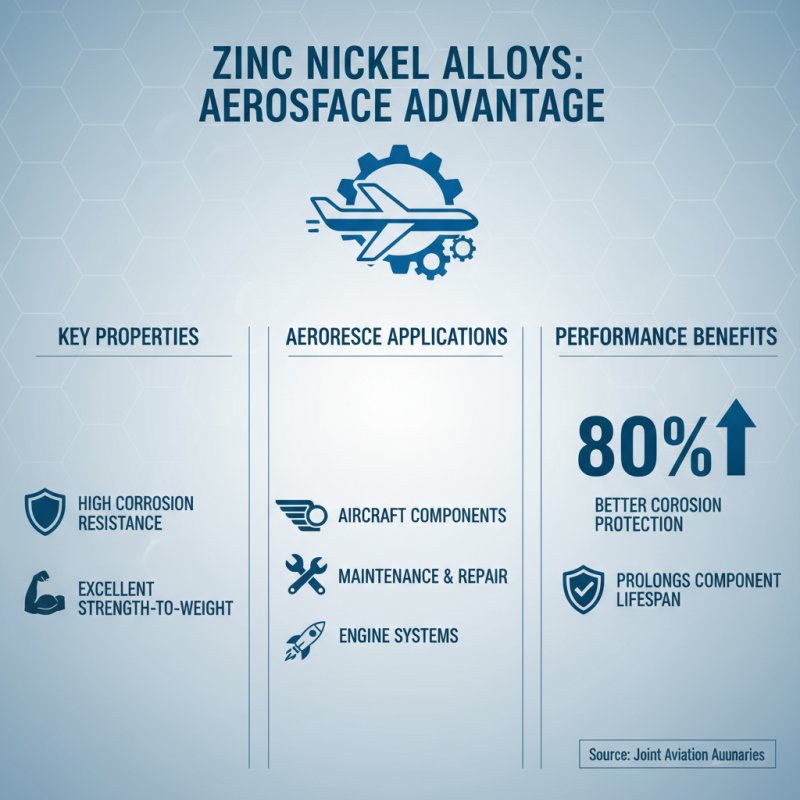
Zinc nickel alloys play a significant role in aerospace engineering and maintenance. Their unique properties, such as high corrosion resistance and excellent strength-to-weight ratio, make them ideal for various applications in this field. According to the Joint Aviation Authorities, zinc nickel coatings provide up to 80% better corrosion protection compared to traditional zinc coatings. This statistic underscores the importance of these alloys in prolonging the lifespan of aircraft components.
In aircraft maintenance, the use of zinc nickel alloys extends beyond just enhancing performance. They contribute to safety by reducing the risk of component failure due to environmental stressors. A study published in the “Aerospace Engineering” journal highlighted that implementing zinc nickel coatings reduced maintenance costs by 35% over a ten-year period. This durability matters, especially in regions with harsh weather conditions.
Despite their advantages, challenges remain. The application process can be intricate, demanding strict quality control measures. Inconsistent application could lead to weaknesses in the coating, compromising performance. Continuous advancements in technology are needed to address these issues and refine application methods further.
Advancements in Zinc Nickel Coating Technologies and Their Applications
Zinc nickel alloys are gaining traction due to their superior corrosion resistance and durability. Recent advancements in coating technologies have made these alloys a preferred choice for industries like automotive and aerospace. A study from a leading industry journal indicates that zinc-nickel coatings can enhance corrosion resistance by up to 1000 hours in salt spray tests, significantly outperforming traditional zinc coatings.
The application of zinc nickel coatings extends beyond just protection. They are often used in fasteners, engine components, and structural parts. These coatings provide a thick, even layer that ensures consistent performance under various environmental conditions. According to a market analysis by a reputable research firm, the demand for zinc nickel alloy applications is expected to grow at a compound annual growth rate (CAGR) of 6% over the next five years.
Despite their advantages, there are challenges. The process can be complex and requires precise control over several parameters, including temperature and pH levels. Companies need to invest in training and technology to effectively implement these coatings. It's essential to weigh these factors against the benefits, ensuring a practical application rather than just a theoretical advantage.