How to Choose Acid Zinc Plating Suppliers in 2026?
Choosing an Acid Zinc Plating supplier in 2026 requires more than comparing price lists. A bright sample may look impressive under showroom lights. It may still fail after humidity exposure, torque testing, or several weeks in storage. Buyers need evidence from real production conditions.
Frank Altmayer, CEF, a respected electroplating consultant, stresses that “process control is the foundation of consistent plating quality.” That principle should guide every supplier review. Ask how the supplier controls zinc concentration, caustic strength, temperature, current density, and bath contamination. Request recent thickness records, adhesion results, salt-spray data, and corrective-action reports. Do not accept vague promises.
Look closely at daily operations. Can the supplier explain barrel loading, rack contact, masking, rinsing, drying, and post-treatment control? Can it trace one shipment back to a specific line, bath analysis, operator, and inspection record? Strong suppliers answer clearly. Weak ones change the subject.
Certification matters, but it is not the whole story. Verify relevant quality systems, environmental controls, restricted-substance management, and customer-specific requirements. Visit the facility if possible. Observe wet floors, chemical labeling, ventilation, laboratory equipment, and rejected parts. Small details reveal habits.
The cheapest quote may become the most expensive decision. Yet high prices do not guarantee disciplined work. That is the uncomfortable part. A balanced evaluation should compare capability, communication, delivery stability, testing depth, and total risk. No checklist is perfect. Still, a careful supplier audit can prevent peeling deposits, uneven color, premature corrosion, and avoidable production delays.
What Acid Zinc Plating Is and Why Supplier Choice Matters
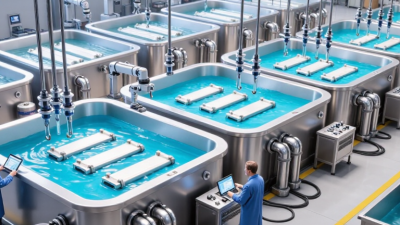
Acid zinc plating is an electrochemical process that protects steel from corrosion. A cleaned steel part enters an acidic zinc bath, where electrical current forms a zinc layer on its surface. Chloride-based baths can provide a bright appearance and efficient production. However, appearance alone does not prove durability.
The supplier choice matters because plating quality begins before the part reaches the tank. A capable supplier should control cleaning, acid concentration, zinc content, temperature, and current density.
Ask for coating thickness records, adhesion results, and corrosion test data from recent production. Check whether measurements come from calibrated instruments. Small details matter.
Look beyond the sample rack. Review wastewater treatment, worker safety, process traceability, and corrective-action procedures. The supplier should explain how they handle rack marks, uneven coverage, and rejected parts.
Vague answers are warning signs. A site visit can reveal overloaded tanks, poor housekeeping, or inconsistent inspection habits. No supplier is perfect. I would question any claim of zero defects, especially for complex shapes. A strong supplier admits process limits and shows how those limits are managed.
Specifications should also define base material, target thickness, appearance, packaging, and acceptance criteria. Without clear requirements, even a technically sound plating job may become a costly disagreement.
How to Define Your Acid Zinc Plating Requirements
How to Define Your Acid Zinc Plating Requirements
Before choosing an acid zinc plating supplier, define the part’s working conditions. State the base metal, dimensions, annual quantity, and critical surfaces. Include the required zinc thickness, appearance, and dimensional limits. A bright finish may look attractive, but it cannot replace corrosion performance. AMPP’s IMPACT study estimated global corrosion costs at about $2.5 trillion annually, equal to roughly 3.4% of global GDP. That figure shows why vague specifications can become expensive.
Specify the post-treatment clearly. Choose the passivation type, color, sealing requirement, and salt spray target. ISO 9227 can support neutral salt spray testing, but test hours should not be treated as direct service-life predictions. Define the test method, sample preparation, inspection area, and acceptance criteria. For high-strength steel, require a documented hydrogen embrittlement control process. Ask for bath analysis records, coating-thickness measurements, and traceable inspection reports.
Do not send only a drawing.
A practical requirement sheet should also identify packaging, storage, rejection rules, and rework limits. Ask suppliers to confirm rack marks, contact points, and possible thickness variation on recessed areas. These details are often missed during early quotations. I would also challenge any supplier promising identical results on every geometry. Acid zinc performance depends on current distribution, cleaning, agitation, and bath control. The requirement may still need revision after pilot testing. That is not failure; it is useful evidence.
How to Evaluate Supplier Quality and Technical Capability
Choosing an acid zinc plating supplier in 2026 requires more than comparing price sheets. Quality begins with controlled chemistry, repeatable testing, and documented process ownership. Ask for recent coating thickness records, adhesion results, salt spray data, and rejected-part rates. Request samples from production, not specially prepared pieces. A clean sample proves little. Inspect coverage around threads, recesses, sharp edges, and drainage holes. These areas often reveal weak racking or poor bath control.
Technical capability should be visible on the shop floor. Check whether technicians measure pH, temperature, current density, and metal concentration at defined intervals. Review calibration records for thickness gauges and laboratory instruments. A capable supplier can explain how brighteners, filtration, agitation, and cleaning stages affect deposit quality. They should also identify risks before quoting, including hydrogen embrittlement concerns for high-strength steel. Ask how they control post-plating baking, masking, rack marks, and wastewater handling. Vague answers deserve a second visit.
Reliable suppliers connect inspection results to corrective action. Request a sample control plan, traceability method, and response timeline for nonconforming parts. Speak with the engineer supporting your product after launch. Real experience matters more than polished presentations. Still, audits have limits. A quiet production day can hide recurring variation. I would compare multiple lots and review difficult geometries. Small inconsistencies should not be ignored. They may indicate a process that depends too heavily on individual judgment. Leave room for uncertainty, and record every assumption before approval.
How to Compare Compliance, Capacity, Costs, and Lead Times
How to Choose Acid Zinc Plating Suppliers in 2026?
Compliance should be checked on the production floor, not only in a sales presentation. Ask for current ISO 9001 and ISO 14001 certificates, wastewater permits, chemical declarations, and recent audit findings. Confirm that acid zinc chemistry supports required RoHS and REACH documentation. The USGS Mineral Commodity Summaries 2025 estimated global zinc mine production at about 12 million metric tons in 2024. Supply remains substantial, but regional disruptions can still affect chemical costs and delivery schedules.
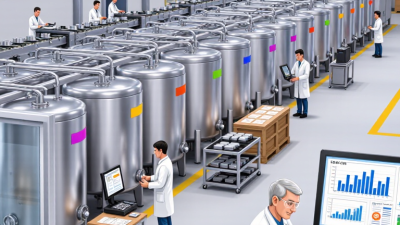
Capacity requires measurable evidence. Request monthly output, line dimensions, shift patterns, average utilization, and available backup equipment. Compare these figures with your forecasted workload, including peak orders. A supplier plating 50,000 parts weekly may struggle when your order doubles. I would not trust a polished capacity slide alone. A short production trial can reveal racking limits, thickness variation, and rework rates.
Cost comparisons should include freight, testing, packaging, tooling, energy surcharges, and rejected parts. Ask for a written price-adjustment method linked to zinc and chemical inputs. The World Bank Commodity Markets Outlook has repeatedly shown that base-metal prices can move sharply with industrial demand and supply interruptions. Lead time should be measured from purchase order to accepted parts, not dispatch. Ask for the last six months of on-time delivery data. The comparison will not be perfectly neat; real factory constraints are often hidden until the first urgent order.
How to Choose Acid Zinc Plating Suppliers in 2026?
Comparison of compliance, production capacity, relative cost, and typical lead time using anonymous supplier profiles.
Compliance is scored against commonly requested requirements such as ISO 9001 quality systems, ISO 2081 zinc coating specifications, RoHS, REACH, and documented process controls. Cost is shown as a relative index, where 100 represents the highest quoted cost in the comparison. Lower lead-time values are preferable.
How to Verify and Select a Reliable Supplier in 2026
How to Choose Acid Zinc Plating Suppliers in 2026?
A reliable supplier should prove its process, not simply promise quality. Request recent inspection reports, coating thickness records, and corrosion test results. Check whether measurements include specific parts from your industry.
A polished sample can hide weak process control.
Ask for samples from normal production, not specially prepared pieces. Examine coverage inside holes, thread fit, color consistency, and adhesion after bending or torque testing.
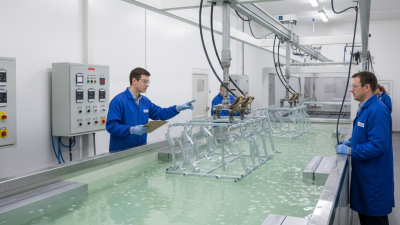
Visit the facility when possible. Observe bath temperature checks, filtration, racking methods, and wastewater controls.
Skilled operators should explain how they manage zinc concentration, brighteners, and contamination.
The supplier should also provide material traceability, calibration records, and clear corrective-action reports. Confirm production capacity before signing an agreement.
A low quotation means little if delivery dates remain uncertain.
Speak with at least two current customers, preferably those using similar steel grades. Ask about rejected batches, response time, and repeated defects.
Honest answers matter more than impressive presentations.
Digital quality records can improve traceability in 2026, but software cannot replace trained judgment. I would also test a small pilot order before approving full production.
My earlier assumption was that a strong salt-spray result guaranteed durable plating. It does not.
Geometry, handling, cleaning, and assembly conditions can change field performance. Reliability must be verified across the entire process.