How to Choose the Best Nickel Plating Protective Agent?
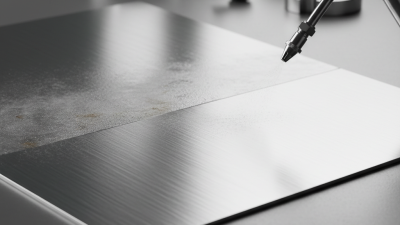
When selecting a Nickel Plating Protective Agent, understanding its importance is crucial. This agent significantly influences the durability and appearance of plated surfaces. Nickel plating offers excellent corrosion resistance, but without proper protection, it can be compromised.
Choosing the right protective agent requires careful consideration. The market is saturated with options, each claiming to be the best. It is essential to evaluate the specific needs of your project. Some agents may offer superior protection but come with increased costs. Others might be economical but less effective over time.
Inadequate knowledge about these products can lead to poor choices. It’s vital to analyze the performance, compatibility, and long-term effects of each agent. Ideally, the selected Nickel Plating Protective Agent should align with industry standards. Testing different options can reveal unforeseen issues. Reflecting on past experiences with these products can also guide future decisions. The right choice can enhance the lifespan of your plating, making this decision not just important, but critical.

Understanding Nickel Plating and Its Applications
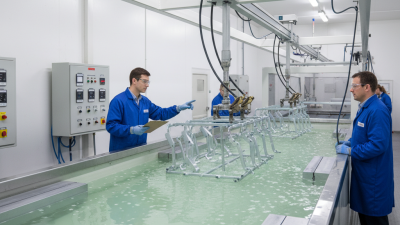
Nickel plating is a widely used process in various industries. It enhances the corrosion resistance of metals. This process is applicable in automotive parts, electronics, and household items. The nickel layer provides a smooth surface finish and improves wear resistance. Many manufacturers rely on nickel plating to extend the lifespan of their products.
Understanding the applications of nickel plating is crucial. In automotive industries, it is essential for components like engine parts. For electronics, it offers an effective method to prevent corrosion on connectors and circuit boards. However, improper application can lead to poor adhesion or uneven surfaces. This complexity requires careful selection of techniques and protective agents.
Choosing the right protective agent is vital. It must complement the specific requirements of the nickel plating process. Factors such as temperature, environment, and intended use of the plated items play an important role. Experimentation often reveals the best solutions. Each application might yield different results, leading to room for improvement. While industry standards exist, personal experience can significantly influence decision-making.
Factors to Consider When Selecting a Protective Agent
When selecting a nickel plating protective agent, there are several key factors to consider. A crucial aspect is the agent's chemical compatibility with your nickel plating process. Ensure that it stabilizes the plating without causing undesirable reactions. Careful evaluation of surface preparation is also vital. A well-prepared surface will significantly enhance the protective agent’s effectiveness.
Tips: Experiment with small batches initially. This allows you to observe how the protective agent interacts with your plated surface. Always conduct corrosion resistance tests under real-world conditions. This step helps you gauge performance accurately.
Another factor is the application method. Some agents require specific techniques for optimal results. Consider the environment where your plated items will be used. Will they face moisture or temperature extremes? Selecting an agent that withstands these conditions is essential.
Tips: Document your observations during the plating process. This record helps refine your approach over time. Consult literature or studies related to protective agents. Gathering knowledge from credible sources can boost your decision-making process.
Types of Nickel Plating Protective Agents Available
When selecting the best nickel plating protective agent, it's crucial to consider the different types available. Options vary widely in effectiveness, application methods, and environmental impact. Each type has unique properties, which influence their protective capabilities.
Organic protective agents offer good adhesion and chemical resistance. They often create a durable film that guards against corrosion. However, their application can be more challenging and may require specific conditions. In contrast, inorganic agents are usually more stable and can withstand extreme temperatures. Yet, they might not provide as smooth a finish as their organic counterparts.
Evaluating the purpose and conditions of use is vital. For high-performance applications, you may need a robust solution. Sometimes, trial and error in selecting the ideal agent can yield better insights on effectiveness. Understanding the material compatibility with the substrate is also essential. Ultimately, the choice should be informed by both scientific knowledge and practical experience in your specific environment.
How to Choose the Best Nickel Plating Protective Agent? - Types of Nickel Plating Protective Agents Available
| Type |
Description |
Advantages |
Disadvantages |
Ideal Use Cases |
| Chromate Conversion Coatings |
A chemical treatment that forms a protective layer on the nickel surface. |
Excellent corrosion resistance and easy application. |
Contains harmful chromium; environmental concerns. |
Aerospace, automotive parts. |
| Polymer Coatings |
A protective polymer layer applied on nickel-plated surfaces. |
Good durability and flexibility; resistant to scratches. |
May require special application equipment. |
Commercial appliances, decorative items. |
| Wax Coatings |
A layer of natural or synthetic wax applied to protect nickel. |
Provides a temporary shield against moisture. |
Needs frequent reapplication; limited long-term protection. |
Indoor items, short-term protection. |
| Oil-Based Coatings |
A thin oil layer applied for corrosion prevention. |
Easy to apply and remove. |
Not ideal for high temperatures. |
Machinery parts, tools. |
Evaluating Performance and Durability of Protective Agents
Selecting the best nickel plating protective agent requires careful evaluation. The performance and durability of these agents can vary significantly. When investigating options, consider factors such as adhesion strength and resistance to corrosion. The best agents should withstand environmental factors while providing long-lasting protection.
Laboratory tests can simulate real-world conditions. They assess how different agents react over time. Some may perform excellently at first but degrade under stress. Therefore, monitoring changes in appearance and functionality is crucial. Regular assessments help identify any deterioration early. This proactive approach can save time and resources.
It's important to recognize that no protective agent is perfect. All options have limitations. Some may excel in humid environments but fail in dry conditions. Understanding these nuances allows for better decision-making. Reflecting on performance in various scenarios can lead to more informed choices. Always weigh the pros and cons before making a final selection.
Cost-Effectiveness and Environmental Impact Considerations
When selecting a nickel plating protective agent, cost-effectiveness and environmental impact are critical. A 2022 industry report indicated that over 30% of businesses prioritize sustainability in their coating materials. However, finding a balance between cost and environmental friendliness remains challenging. Many effective agents are costly, raising questions about long-term profitability.
Tips: Always assess the lifecycle impact of protective agents. A product that is cheaper upfront may incur hidden environmental costs later.
Moreover, regulatory pressures are intensifying. The European Union has set stringent standards for chemical emissions, which affects many protective agents. Compliance can lead to higher initial expenses. A study found that 40% of companies experience increased costs after adopting eco-friendly solutions.
Tips: Research the compliance status of any protective agent. Engage with suppliers to fully understand the implications of regulatory changes.
An ideal choice often involves trade-offs. While cheaper options may seem appealing, they might carry risks, like reduced protection or negative environmental repercussions. It's essential to evaluate not just immediate savings but potential long-term impacts. Consider conducting a detailed cost-benefit analysis, factoring in environmental compliance and product life cycles.