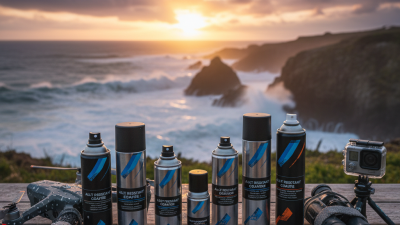
Choosing a Salt-Resistant Aerosol in 2026 requires more than comparing salt-spray hours on a product label. Chlorides can enter seams, hinges, fasteners, and scratched metal surfaces. The right aerosol must match the substrate, exposure level, application method, and maintenance schedule.
The NACE IMPACT study estimated global corrosion costs at US$2.5 trillion, equal to approximately 3.4% of global gross domestic product. George H. Koch, a corrosion engineer and principal author of the study, stated, “The global cost of corrosion is estimated to be US$2.5 trillion.” His warning remains practical for buyers. Small protection failures can become expensive equipment failures.
ASTM B117 salt-spray testing helps compare formulations, but it does not perfectly predict outdoor performance. That matters. A product lasting 1,000 laboratory hours may perform differently near a marina, coastal warehouse, or winter road. ISO 12944 guidance also shows why corrosivity category and coating-system design must be considered together. Look for clear substrate compatibility, strong water displacement, stable film formation, and accessible safety data. Check nozzle control, overspray, drying time, and residue on painted surfaces. Do not trust one number.
A careful trial is still necessary. Apply the aerosol to a hidden steel edge, measure coverage, and inspect it after repeated wet-dry cycles. Some labels overpromise. Packaging, storage temperature, and operator technique can also change results. The best Salt-Resistant Aerosol is not automatically the strongest formula; it is the formula that reliably fits the real corrosion environment.
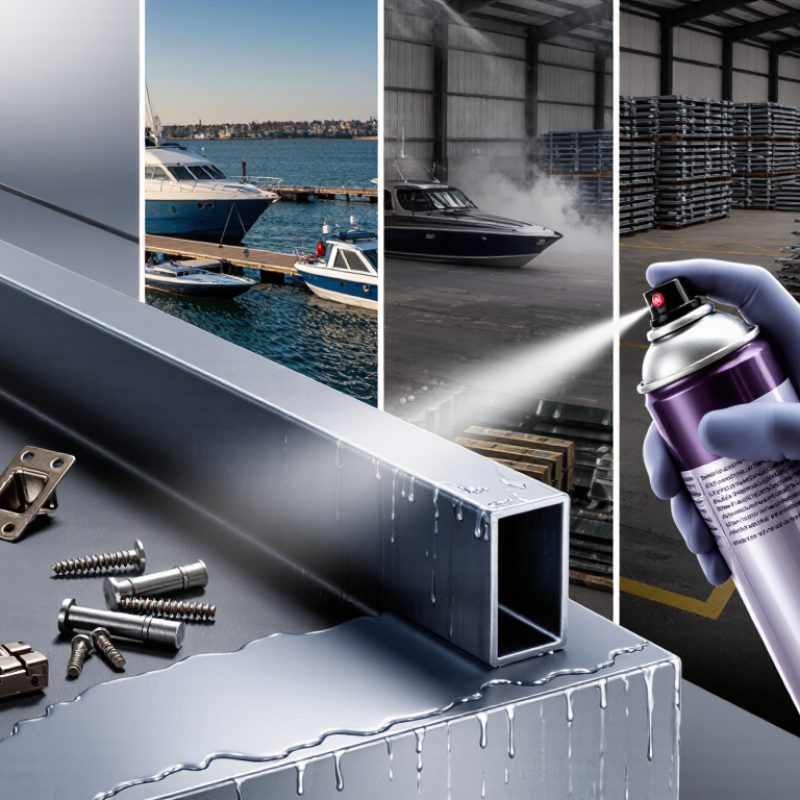
How to Choose Salt Resistant Aerosol in 2026?
Salt resistance means an aerosol package can withstand chloride exposure without serious rust, leakage, valve failure, or coating breakdown. This matters in coastal warehouses, humid bathrooms, marine workshops, and winter road environments. The NACE IMPACT study estimated global corrosion costs at about $2.5 trillion annually, equal to 3.4% of global GDP. Salt exposure is not the only cause, but it can accelerate damage significantly. A reliable selection process should examine the can, valve, actuator, seams, and internal formula together.
ISO 9227 and ASTM B117 commonly test materials using salt spray near 35°C. ISO 9227 uses defined sodium chloride solutions, but test hours do not directly equal outdoor service years. That shortcut is tempting. It is also imperfect. Ask for test conditions, failure criteria, coating thickness, and inspection photographs. In practical evaluations, check for blistering, pinholes, discoloration, spray weakness, and pressure loss. Formula pH and water content deserve attention too. A salt-resistant outer coating cannot repair an incompatible internal system. Field trials near actual storage locations often reveal problems laboratory panels miss.
Tips: Select packaging tested under ISO 9227 or ASTM B117. Compare results under identical conditions. Inspect seams and valve areas first. Store samples in humid, salt-exposed locations. Record changes weekly. If evidence is vague, treat the package as unproven. Corsosion notes are useful, even when they look minor.

How to Choose Salt Resistant Aerosol in 2026?
Identify the Environmental Conditions the Aerosol Must Withstand
Choosing a salt resistant aerosol starts with the exposure, not the label. Record whether the surface faces sea spray, road salt, or indoor humidity. Coastal air can deposit chloride particles on metal, especially during windy, wet conditions. Measure temperature, humidity, and surface wetness when possible. A sheltered balcony and an exposed pier are not equivalent environments. They only look similar on a dry afternoon.
The NACE IMPACT study estimated global corrosion costs at about 3.4% of worldwide GDP. That figure shows why environmental screening matters before application. For laboratory comparison, ISO 9227:2022 defines neutral salt spray testing conditions, commonly using a 5% sodium chloride solution at approximately 35°C. However, test hours do not equal guaranteed outdoor service life. This is where many product decisions become too confident.
Check the aerosol’s resistance against chloride exposure, condensation, ultraviolet radiation, and temperature cycling. Salt deposits can remain active after visible moisture disappears. Choose a coating system that matches the substrate, preparation method, and expected maintenance interval. Clean, dry, lightly roughened metal usually gives more reliable adhesion. Film thickness also matters, but thicker is not automatically better. Overlooking edges, seams, and drilled holes can create early failure points. ASTM B117 results may help compare products, yet they should not replace field judgment. Real sites are messier. My own recommendation is to test a small panel outdoors for several weeks before full application, while recording changes with photographs and simple humidity readings.
Identify the environmental conditions the aerosol must withstand before selecting its protection level.
Salt concentration is a useful first indicator of corrosion risk. Average seawater contains approximately 3.5% dissolved salts, while neutral salt-spray testing commonly uses a 5% sodium chloride solution at 35°C. Concentrated deicing brine can contain about 23.3% sodium chloride and may also expose the aerosol to freezing conditions. For coastal, marine-splash, or winter-road applications, verify salt-spray duration, temperature range, humidity resistance, adhesion, and compatibility with the target substrate.
Reference conditions: average ocean salinity, neutral salt-spray test conditions, and sodium chloride eutectic brine concentration. Actual field exposure varies with evaporation, humidity, temperature, and contamination.
Choosing a salt-resistant aerosol in 2026 requires more than reading “anti-corrosion” on a label. In coastal maintenance, I inspect the substrate, humidity, and expected salt exposure before selecting a formula. Water-based formulas reduce solvent odor, but they may need longer drying time. Solvent-based formulas often wet rusty steel better, yet ventilation becomes critical. Compare adhesion, flash-rust resistance, and recoat time using technical data, not attractive packaging. Small details matter.
The propellant affects spray consistency, pressure, and cold-weather performance. A controlled fan pattern helps cover bolt heads and narrow seams without flooding them. Test the can at several angles. A weak valve can leave uneven protection. Container choice also deserves attention. Internally lined steel cans resist product interaction, while aluminum can reduce weight and some corrosion risks. Check valve compatibility, seam quality, and storage temperature. I have seen a good coating fail because the container leaked after rough transport.
Protective Coatings Protective coatings should match the formula and exposure level. A zinc-rich primer can support steel, while a flexible topcoat helps seal edges and scratches. For salt-spray evaluation, use documented procedures such as ISO 9227 where appropriate. Inspect blistering, rust creep, and adhesion. Laboratory results are useful, but field exposure remains less predictable. Salt deposits hide in overlaps. Clean surfaces thoroughly. Do not assume one pass is enough; coverage often changes around welds. My own checklists still miss corners sometimes, so I photograph difficult areas before and after application. That habit exposes weak assumptions.
How to Choose Salt Resistant Aerosol in 2026?
Salt resistance should be judged through measured performance, not a bold label. Check salt spray results under ISO 9227 or ASTM B117 conditions. These tests help compare products, but they do not perfectly copy coastal weather. Look for coating adhesion, blistering, rust spread, drying time, and film thickness. A thicker film is not always better. It may crack around sharp edges.
Safety documents deserve equal attention. Read the current SDS before opening the can. Confirm hazard symbols, ventilation needs, storage temperatures, and recommended protective equipment. Check whether the aerosol contains flammable propellants or high VOC levels. Use it outdoors or in controlled ventilation, away from heat and ignition sources. Never rely on smell as a safety test. That mistake is surprisingly common.
Compatibility can decide the result. Verify the product suits steel, aluminum, galvanized surfaces, painted metal, or plastic. Remove loose rust, oil, salt crystals, and moisture before application. Test a small hidden area first. Watch for lifting, softening, color change, or poor adhesion after 24 to 72 hours. Layer compatibility matters too; primers, sealers, and topcoats may react unexpectedly. Field inspections often reveal failures at seams, bolts, and drainage points. Those details are easy to miss. A product may pass laboratory testing yet fail when surface preparation is rushed. Keep batch information and application records for future comparison.
| Selection Dimension | Recommended Requirement or Reference | What to Verify on the Technical Data Sheet | Why It Matters in Salt Exposure |
|---|---|---|---|
| Corrosion test method | Look for testing to ASTM B117 or ISO 9227. ISO 9227 includes neutral salt spray testing using a sodium chloride solution with controlled concentration, pH, temperature, and spray conditions. | Test method, exposure duration, substrate preparation, coating thickness, scribe configuration, blistering, rusting, and creepage results. | A salt-spray duration alone is not enough for comparison. Test setup and failure-rating criteria strongly affect the result. |
| Coating system | For steel, consider a corrosion-inhibiting primer followed by a compatible protective topcoat. Zinc-rich primers can provide sacrificial protection when correctly formulated and applied. | Primer or direct-to-metal designation, resin type, pigment type, recommended number of coats, recoat interval, and required dry-film thickness. | A single aerosol layer may not provide the same barrier and edge protection as a properly prepared multi-coat system. |
| Substrate compatibility | Confirm suitability for carbon steel, galvanized steel, aluminum, or previously coated surfaces. Compatibility should be confirmed separately for each substrate. | Surface limitations, adhesion data, required primer, recommended surface profile, and instructions for removing oil, salts, rust, and loose coatings. | Residual chloride contamination or poor adhesion can cause under-film corrosion and premature peeling. |
| Surface preparation | Use the preparation level specified by the coating manufacturer. For heavily corroded steel, mechanical or abrasive cleaning may be required before spraying. | Permitted cleaning methods, minimum surface temperature, maximum relative humidity, dew-point separation, and flash-rust instructions. | Moisture, soluble salts, and remaining corrosion are common causes of blistering and loss of adhesion. |
| Drying and curing | Select a product whose drying and recoat times match the work schedule and site conditions. Drying times normally vary with temperature, humidity, ventilation, and film thickness. | Touch-dry time, hard-dry or full-cure time, recoat window, minimum application temperature, and resistance to water immersion or condensation. | Handling a film before adequate curing can reduce barrier performance and increase salt penetration. |
| Film thickness and coverage | Follow the stated wet-film or dry-film thickness range rather than relying only on the number of coats. Coverage varies with spray technique and surface roughness. | Recommended film thickness per coat, theoretical coverage, practical coverage, and whether excessive thickness can cause sagging, cracking, or slow curing. | Thin spots expose the substrate, while overly thick films may trap solvent and develop defects. |
| Chemical and environmental resistance | Match the coating to the actual exposure: marine atmosphere, intermittent salt water, continuous immersion, fuels, solvents, acids, or alkaline cleaners. | Published resistance claims, immersion limitations, operating temperature range, UV resistance, and compatibility with cleaning chemicals. | Salt spray is different from continuous immersion, abrasion, UV exposure, and chemical attack; one test does not represent every service condition. |
| Safety classification | The label and Safety Data Sheet should follow the applicable Globally Harmonized System of Classification and Labelling of Chemicals (GHS) requirements. | Signal word, hazard statements, pictograms, precautionary statements, first-aid measures, storage instructions, and disposal requirements. | Aerosol containers may be pressurized and the contents may be flammable, irritating, or harmful if inhaled or released into the environment. |
| Flammability and ignition control | Use only with adequate ventilation and away from flames, sparks, hot surfaces, and ignition sources. Never expose the can to temperatures above the label limit. | Flash point, flammable-aerosol classification, storage temperature limit, transport classification, and restrictions for enclosed spaces. | Propellants and solvent vapors can create fire or explosion hazards even when the spray appears dry. |
| VOC and regulatory requirements | Check local VOC limits and workplace-air requirements before purchase. Regulations can differ by country, state, municipality, and application category. | VOC content, regulatory compliance statement, solvent composition, and any use restrictions for indoor or professional applications. | A product suitable for outdoor industrial use may not meet indoor-air or local emissions requirements. |
| Application equipment and spray pattern | Choose a valve and nozzle that provide an even fan pattern for the target surface and allow controlled application at the recommended spray distance. | Spray distance, recommended pass speed, nozzle orientation, shake time, usable temperature range, and whether the can sprays in any position. | Uneven application can create runs, pinholes, dry spray, and unprotected edges where corrosion begins. |
| Packaging integrity and shelf life | Inspect the can, actuator, valve, and cap before use. Store in the original container under the temperature conditions stated on the label or Safety Data Sheet. | Batch or lot number, production date, shelf life, storage limits, leakage precautions, and instructions for clearing the valve after use. | Loss of propellant, blocked valves, or degraded material can produce an irregular film and reduce corrosion protection. |
Note: Salt-spray results are comparative laboratory data and should not be treated as a direct prediction of service life. Always confirm the latest product label, Safety Data Sheet, technical data sheet, and applicable local regulations before use.
Choosing a salt-resistant aerosol in 2026 requires more than reading “marine grade” on a label. Salt exposure attacks the can, valve, actuator, and protective finish. AMPP’s IMPACT study estimated global corrosion costs at approximately $2.5 trillion annually, equal to about 3.4% of global gross domestic product. That figure makes small packaging decisions worth serious attention.
Build the checklist around the application. Identify chloride exposure, temperature swings, spray direction, storage time, and handling frequency. Check the can substrate and internal lining separately. Confirm that the valve spring, dip tube, gasket, and actuator tolerate humidity and salt deposits. Ask for test records using ASTM B117 or ISO 9227 methods. These tests help compare samples, but they do not perfectly predict field life. Salt fog can be harsher, or sometimes less realistic, than coastal service.
Set measurable acceptance limits before testing. Look for no perforation, controlled surface corrosion, stable spray pattern, and acceptable discharge pressure after exposure. Request batch traceability and independent laboratory results. A 240-hour result sounds impressive, yet test duration alone proves little. I would also inspect partially used cans, because residue around the valve often becomes the weak point. A neat checklist can still miss transport damage, poor storage, or incompatible chemicals. That is where practical field trials matter. Salt-resistant performance needs evidence from the complete aerosol system, not just its outer coating.