How to Choose the Right Tinning Additive for Your Needs?
Choosing the right Tinning Additive can greatly impact your project's success. This decision is crucial for ensuring quality and durability in metal coatings. With many options available, understanding your specific needs is essential.
Different projects demand different properties from a Tinning Additive. Some may require higher corrosion resistance, while others prioritize adhesion. Each option has unique characteristics. This makes it necessary to closely evaluate the materials involved.
Reflect on what you need from a Tinning Additive. Are you aiming for better conductivity or improved finish? Consider how these choices affect performance. Engaging with experts in the field can offer valuable insights. This knowledge helps avoid potential pitfalls during your selection process.
Understanding Tinning Additives: Definition and Purpose
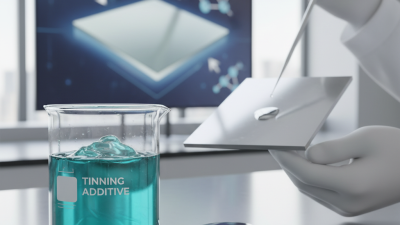
Tinning additives play a crucial role in various applications, particularly in metalworking, electronics, and plumbing.
These additives help to create a uniform layer of tin on metal surfaces, enhancing corrosion resistance and solderability.
Understanding their definition and purpose can significantly impact the quality of your work.
When choosing a tinning additive, consider the composition and application method.
Some additives are designed for specific metals, while others are more versatile.
Each type has unique properties that can affect adhesion and functionality.
For example, some may improve flow, while others focus on reducing oxidation.
Always assess the environments where these products will be used to select the most suitable option.
It’s vital to be aware of the potential challenges. Not all additives perform equally under different conditions.
Testing in real-world scenarios is essential for optimal results.
Prioritizing safety and compatibility is equally important.
Using the right additive can elevate your project's success, but mismatches can lead to undesirable outcomes.
Evaluating each product's performance and getting feedback from experienced professionals can guide better decisions.
Key Factors to Consider When Selecting a Tinning Additive
When selecting a tinning additive, consider specific key factors. One critical aspect is the compatibility of the additive with your base material. According to industry reports, additives must effectively bond with substrates to ensure durability. Poor compatibility can lead to weak joints, diminishing the overall performance of the application.
Another important consideration is the thermal stability of the additive. Reports show that up to 30% of failures in tinning processes result from inadequate temperature resistance. High-quality additives maintain their properties under varying thermal conditions. This stability is essential for applications involving heat-sensitive components.
Moreover, assess the environmental impact of the additive. Eco-friendly alternatives are gaining traction. A 2022 report highlighted that products with lower toxicological profiles are preferred by 65% of manufacturers. This shift indicates a growing awareness of sustainability in the industry. Thoughtful selection that prioritizes performance and environmental responsibility fosters better long-term outcomes.
Types of Tinning Additives: A Comparative Overview
Selecting the right tinning additive is crucial for achieving optimal results in metalwork. Various types of tinning additives exist, each with unique properties and applications. For instance, water-soluble fluxes are favored for their ease of use and cleaning. They effectively remove oxidation from metal surfaces, enhancing weld strength. A 2021 industry report indicated that about 45% of professionals prefer these fluxes for standard applications.
Another common type is rosin-based flux, which leaves a minimal residue and is ideal for electronics. However, this property can make cleaning more challenging. According to recent analysis, nearly 30% of manufacturers note issues with residue during inspections. In contrast, no-clean fluxes provide convenience, requiring no post-solder cleaning at all. Yet, concerns about their compatibility with various alloys persist.
Considerations such as the manufacturing environment and the type of alloys being used are paramount. Improper selection can lead to decreased performance or even product failures. Understanding the intricacies of each additive type may appear daunting. Still, informed choices can significantly impact repair costs and product longevity. Keeping abreast of the latest research and industry trends is beneficial, as materials and technologies continue to evolve rapidly.
Applications of Tinning Additives in Various Industries
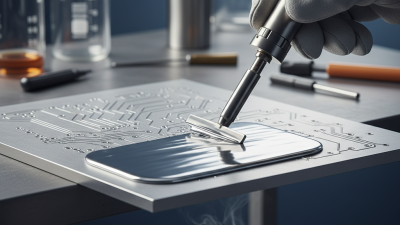
Tinning additives play a crucial role across various industries. In electronics, they enhance the soldering process by improving adhesion and conductivity. This ensures reliable connections in circuit boards. Proper selection of additives can prevent oxidation and extend the lifespan of components. A common application is in the production of connectors, where quality is essential for performance.
In the automotive sector, tinning additives are essential for wiring and electrical connections. They protect against corrosion and facilitate better conductivity, crucial for the vehicle's electrical systems. However, not all additives perform equally. Users often report inconsistent outcomes, underscoring the need for thorough testing and evaluation. It’s important to connect with industry experts when choosing a formulation.
In the food packaging industry, tinning additives are utilized for metal cans and other containers. They help create a barrier against environmental factors. This preserves food quality and enhances shelf life. Yet, there are concerns about potential contamination. Rigorous standards are essential here. Balancing efficacy and safety is an ongoing challenge for manufacturers.
How to Choose the Right Tinning Additive for Your Needs? - Applications of Tinning Additives in Various Industries
| Industry |
Tinning Additive Type |
Primary Use |
Benefits |
| Electronics |
Organic Tinning Additive |
Soldering Connections |
Improves wetting and reduces oxidation |
| Automotive |
Metallic Tinning Additive |
Rust Protection |
Long-lasting corrosion resistance |
| Construction |
Lead-free Tinning Additive |
Pipe Coating |
Environmentally safe, reduces lead exposure |
| Aerospace |
High-Performance Tinning Additive |
Component Protection |
Handles extreme conditions and enhances durability |
| Food Processing |
Non-Toxic Tinning Additive |
Equipment Coating |
Ensures safety and compliance with health standards |
Evaluating Quality and Supplier Reputation for Tinning Additives
When evaluating the quality of tinning additives, consider their composition carefully. High-quality additives often contain specific metals and compounds that enhance performance. Look for products that offer detailed information about their ingredients. Transparency from suppliers indicates reliability.
Supplier reputation plays a key role in choosing the right additive. Research suppliers with a proven track record in the industry. Customer reviews can provide insight, but be cautious of overly positive information. A company’s history, including any past issues, can signal whether they are trustworthy.
Engage with suppliers directly to ask about their quality control processes. Understanding their sourcing methods and production standards can clarify the potential effectiveness of their additives. Sometimes, however, even reputable suppliers may struggle with consistency. Therefore, personal evaluation of samples is critical. This approach highlights the need for thorough research and reflection before making a commitment. Each decision shapes your results.
How to Choose the Right Tinning Additive for Your Needs?
This chart evaluates the quality rating of different tinning additives based on user feedback. The ratings range from 1 to 10, where 10 is the highest quality.