Why Choose Zinc Nickel Alloy for Global Sourcing?
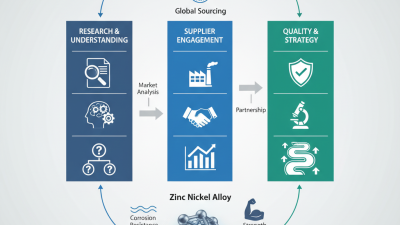
Global sourcing demands more than a competitive quotation. It requires predictable protection, documented processes, and stable supply across borders. Zinc Nickel alloy plating has gained attention because it combines strong corrosion resistance with practical manufacturing performance. It can protect steel components exposed to road salt, humidity, heat, and industrial handling.
Frank Altmayer, a veteran electroplating consultant, has stated, “Zinc-nickel is not a magic coating; process control determines its value.” That observation matters during supplier selection. A coating line may look impressive during a factory visit. The real evidence appears in thickness measurements, adhesion tests, salt-spray results, and batch records.
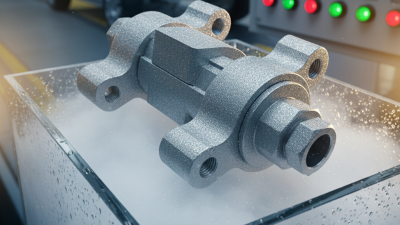
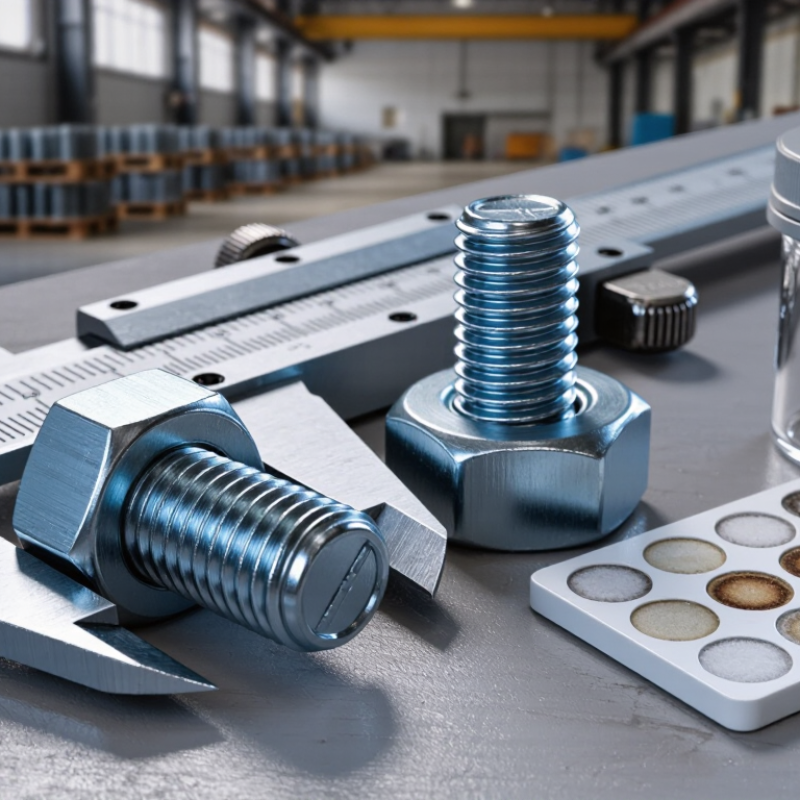
The details can be surprisingly physical. Imagine a plated fastener stored beside a damp loading dock. Its surface finish, thread fit, and corrosion behavior depend on more than alloy composition. Pretreatment, bath chemistry, current density, sealing, and post-treatment all influence performance.
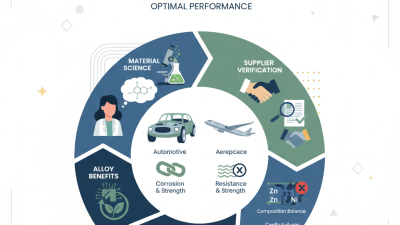
For global buyers, Zinc Nickel alloy can support longer service life and fewer replacement cycles. It may also reduce risks in demanding automotive, construction, energy, and industrial applications. However, no coating suits every part. Cost, geometry, substrate condition, production volume, and local compliance requirements must be reviewed together.
This is where sourcing decisions become less comfortable. A low unit price can hide inconsistent testing or weak process control. Even premium suppliers can experience variation. Buyers should request traceable quality records, independent test results, technical samples, and clear corrective-action procedures before approving production. Reliability begins with evidence, not confident promises.
What Is Zinc Nickel Alloy and How Is It Made?
What Is Zinc Nickel Alloy and How Is It Made?
Zinc nickel alloy is a protective metal coating, not a solid material used for every component. It usually contains about 12–16% nickel, balanced with zinc. This composition helps parts resist corrosion in humid, salty, and industrial environments. It can also perform well at elevated temperatures. The nickel content matters. Too little may reduce protection, while too much can affect deposition stability. The process is not perfectly forgiving.
Manufacturing begins with cleaning, degreasing, and activating the metal surface. Any oil or oxide can weaken adhesion. The prepared part enters an electrolytic bath containing zinc and nickel ions. Electric current then deposits the alloy onto the surface. Operators control current density, bath chemistry, temperature, and coating time. After plating, the part may receive a passivation layer and sealant. These treatments improve corrosion resistance and help maintain appearance. High-strength steel needs careful pretreatment and hydrogen management. Otherwise, delayed cracking can become a serious concern. This step is often underestimated.
Tips: Request coating thickness records, alloy composition data, adhesion results, and corrosion-test conditions. Salt-spray hours alone can mislead. Ask whether the test used assembled parts, sharp edges, or flat panels. Confirm the required standard before comparing suppliers. In practice, small differences in cleaning and racking can change results. Sampling matters. A reliable sourcing plan also checks batch traceability and process-control records. No coating is flawless. Expect trade-offs between cost, appearance, thickness, and long-term performance.
Why Choose Zinc Nickel Alloy for Global Sourcing?
Zinc-nickel alloy is an electroplated coating produced by co-depositing zinc and nickel ions onto a steel component. The nickel content is commonly controlled within an approximate 8–16 wt% range to balance corrosion protection, hardness, appearance, and process cost.
The chart shows representative nickel-content targets used for low-, medium-, and high-nickel zinc-nickel electroplated coatings. Higher nickel content generally supports improved corrosion performance and thermal stability, while the final specification depends on the substrate, coating thickness, bath chemistry, and application requirements.
How Does Zinc Nickel Alloy Perform in Global Applications?
Zinc Nickel Alloy in Global Applications
Zinc nickel alloy performs well where humidity, road salt, and temperature changes attack metal parts. The coating usually contains 12–16% nickel, improving corrosion resistance over conventional zinc coatings. ASTM B841 and ISO 19598 provide recognized requirements for composition, thickness, and testing. These standards support consistent sourcing across regions, but they do not guarantee identical field life.
The NACE IMPACT study estimated that corrosion costs reached about US$2.5 trillion annually, equal to 3.4% of global GDP. This explains the demand for stronger protective coatings in vehicles, machinery, and outdoor equipment. Zinc nickel also maintains useful protection after surface damage through sacrificial action. However, salt-spray results can mislead. One laboratory report may show more than 1,000 hours before red rust, while real service depends on scratches, fastener design, washing, and local climate. Laboratory hours are not field years. That assumption needs testing.
Tips:
Request ASTM B841 or ISO 19598 compliance, coating thickness records, and cyclic-corrosion results. Check whether the supplier tested the actual component, not only flat panels. Review hydrogen-embrittlement controls for high-strength steel. Also compare total cost, including pretreatment, inspection, transport, and rework. A cheaper coating may become expensive after one harsh winter.
How Can Companies Evaluate Zinc Nickel Alloy Suppliers?
Why Choose Zinc Nickel Alloy for Global Sourcing?
Companies evaluating zinc nickel alloy suppliers should examine evidence, not attractive samples. The USGS Mineral Commodity Summaries 2025 reports global zinc mine production near 12 million metric tons in 2024. This supports broad raw-material availability, but availability does not guarantee consistent plating quality. Ask suppliers for alloy composition records, coating-thickness maps, lot traceability, and recent customer audits. A capable supplier should explain bath control, hydrogen management, and wastewater compliance clearly.
Demand test results under recognized standards. ASTM B841 covers electrodeposited zinc-nickel coatings, while ISO 9227 defines neutral salt-spray testing. Neither standard promises identical field life. Test duration depends on substrate, sealing, thickness, and assembly design. Request raw laboratory data, not only a certificate. Compare corrosion results from multiple production lots. Small chemistry shifts can change appearance and protection. That detail is easy to underestimate.
Tips:
Audit one production site before approving global volume. Check calibration records and operator training. Require certificates of analysis for every batch. Inspect sample parts after torque, bending, and thermal cycling. Ask for defect rates and corrective-action records; vague answers deserve attention. A polished sample can mislead. In practice, supplier capacity is also a risk. Confirm backup equipment, lead times, packaging controls, and documented change notifications. I would also challenge my own assumptions: the lowest coating price may create higher inspection and warranty costs later.