How to Achieve Effective Zinc Iron Plating for Enhanced Corrosion Resistance?
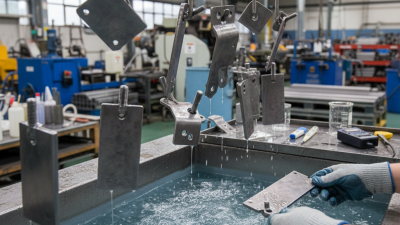
Zinc Iron Plating is an advanced coating technique designed to enhance corrosion resistance in various applications. This process combines the properties of zinc and iron, resulting in a durable protective layer. Many industries rely on this technology for its effectiveness in protecting metal surfaces from harsh environments.
Achieving effective Zinc Iron Plating requires precision and understanding of the materials involved. Factors such as bath chemistry and plating parameters play crucial roles in the final outcome. Improper execution can lead to issues, such as poor adhesion or inadequate thickness, which undermines its protective qualities.
While Zinc Iron Plating is beneficial, it is not without its challenges. Awareness of common pitfalls is essential for quality results. Organizations must focus on best practices and continuous improvement in their plating processes. By embracing knowledge and refining techniques, greater corrosion resistance can be realized.
Understanding Zinc Iron Plating and Its Corrosive Advantages
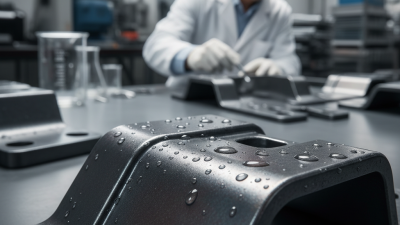
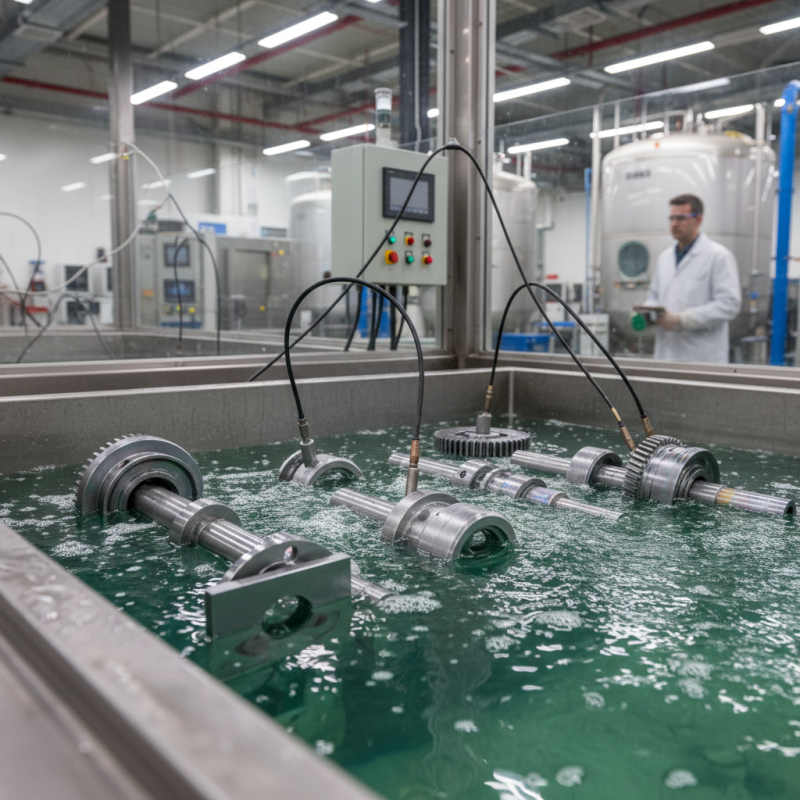
Zinc iron plating is a process that combines the protective properties of zinc and iron. This method is gaining popularity due to its impressive corrosion resistance. Zinc serves as a sacrificial anode, providing essential protection to the underlying iron. The zinc layer reacts with moisture and oxygen, forming zinc oxide, which helps seal the surface.
The corrosive advantages of zinc iron plating are significant. One key aspect is its ability to resist rust in harsh environments. It can withstand salty air and industrial pollutants. However, this process isn’t without challenges. Achieving the right thickness and uniformity requires precise control. Inconsistent application can lead to weak spots.
Another point of reflection is the need for proper surface preparation. If the substrate isn’t clean and roughened, adhesion issues arise. This can diminish the protective qualities of the plating. Investing in good practices can yield excellent results, yet oversights can turn effective plating into a failure. Ultimately, understanding the nuances of zinc iron plating is crucial for enhanced durability.
Key Parameters Influencing Zinc Iron Plating Process Efficiency
Zinc iron plating is crucial for preventing corrosion in various industrial applications. Understanding the key parameters that influence this process can significantly enhance its efficiency. These parameters include bath composition, temperature, and pH levels. Each factor plays a role in achieving optimal plating thickness and adhesion.
Maintaining the right bath composition is essential. If the concentration of zinc or iron is not balanced correctly, it can lead to poor coating quality. Adjusting the temperature is another critical aspect. A temperature that is too high can cause gas bubbles, leading to uneven plating.
Tip: Monitor the temperature closely during the plating process. Aim for a stable range to avoid any fluctuations.
The pH level also impacts the plating outcome. An unbalanced pH can result in inferior plating performance. Regularly testing the pH can help maintain the desired environment for the reaction.
Tip: Consider using a pH meter for accurate readings. Small adjustments can make a big difference.
Attention to these parameters can lead to more effective zinc iron plating. Make sure to document each process for future reference. Continuous improvement is key in this field, and learning from past experiences is valuable.
Comparison of Zinc Iron Plating with Traditional Zinc Coatings
Zinc iron plating is gaining attention as an alternative to traditional zinc coatings. This method offers enhanced corrosion resistance, which is crucial for many industries. The technology involves electroplating zinc and iron together, creating a robust protective layer. Unlike standard zinc coatings, which may wear off over time, zinc iron plating adheres better to metal substrates. This results in a longer-lasting finish with improved durability.
One of the notable differences is the structure of the coating. Traditional zinc coatings typically consist of pure zinc, which can corrode in harsh environments. In contrast, zinc iron plating features a unique alloy that increases resistance to rust. This characteristic can be particularly beneficial in automotive or marine applications. However, evaluating these coatings isn't straightforward. Real-world performance can vary significantly based on environmental factors and application methods.
Despite its advantages, zinc iron plating may not be the perfect choice for all scenarios. Some applications may see cost issues or complexities in the plating process. Moreover, the need for precise control during plating can introduce variability. Thorough research and testing are essential to determine if this method suits specific needs. The growing interest in zinc iron plating illustrates its potential, but close attention to details remains critical.
How to Achieve Effective Zinc Iron Plating for Enhanced Corrosion Resistance? - Comparison of Zinc Iron Plating with Traditional Zinc Coatings
| Coating Type |
Corrosion Resistance (Hours) |
Thickness (µm) |
Application Method |
Environmental Impact |
| Zinc Iron Plating |
1200 |
8-15 |
Electroplating |
Low |
| Traditional Zinc Coating |
600 |
5-10 |
Hot-Dip Galvanizing |
Moderate |
| Zinc-Nickel Alloy Coating |
1500 |
10-20 |
Electroplating |
Low |
Role of Alloy Composition in Corrosion Resistance of Zinc Iron Plating
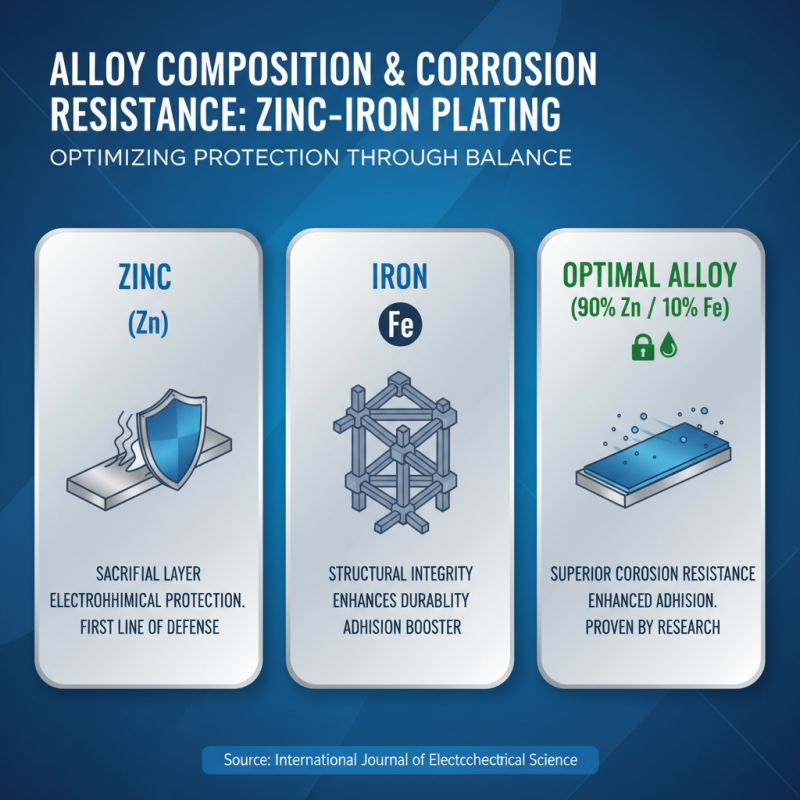
The composition of zinc iron alloys plays a crucial role in enhancing the corrosion resistance of plated surfaces. Studies show that zinc's electrochemical properties provide a sacrificial layer, while iron contributes to the structural integrity. Data from the International Journal of Electrochemical Science indicates that the right balance of zinc and iron can significantly improve the protective qualities of the plating. For instance, a composition with 90% zinc and 10% iron demonstrates better adhesion and corrosion resistance than pure zinc coatings.
However, achieving the optimal alloy composition is not always straightforward. Variations in processing techniques can lead to inconsistencies in corrosion performance. Research points out that improper alloying elements may weaken the coating, leading to premature failures. Additionally, electroplating parameters, such as pH and current density, can further influence the alloy structure, affecting its protective characteristics.
The effects of environmental factors cannot be ignored. Exposure to harsh conditions can challenge the alloy's integrity, regardless of its composition. An analysis by the Corrosion Engineering Association highlights that high humidity and salt exposure can accelerate corrosion rates, revealing weaknesses in alloy formulations. Understanding these dynamics is essential for improving zinc iron plating and ensuring long-lasting performance in demanding environments.
Quality Control Measures for Enhanced Durability in Zinc Iron Plating
Quality control is crucial in zinc iron plating processes. Studies reveal that when properly executed, zinc iron plating can significantly enhance the corrosion resistance of metal substrates. However, improper control can lead to inconsistent plating thickness and compromised performance. Ensuring uniformity is essential, as deviations can result in rust formation sooner than expected.
To maintain high standards, continuous monitoring of the plating solution's pH levels is necessary. Research indicates that a pH range of 5 to 6 is optimal for zinc iron bonding. Regularly checking the temperature can also help; ideal conditions fall between 20°C to 25°C. Implementing these measures can greatly improve plating quality.
Tips: Always conduct adhesion tests on finished products. The salt spray test is a proven method. If results show weak spots, reassess your plating process.
Another key aspect is the inspection of the surface before plating. Any contaminants can jeopardize adhesion and durability. Industry reports suggest that surfaces with less than 50 micrograms of contaminants have better plating outcomes. Evaluating these factors contributes to a more robust final product.