Why Do You Need Nickel Plating Protective Agent for Metals?
In today's manufacturing landscape, the use of Nickel Plating Protective Agent is critical for enhancing metal longevity. Studies indicate that nearly 25% of metal failures stem from corrosion. Nickel plating effectively mitigates this risk, creating a barrier against moisture and chemicals. The global nickel plating market is projected to reach $14 billion by 2026, reflecting growing industry reliance on this process.
The role of a Nickel Plating Protective Agent cannot be overstated. It not only improves surface hardness but also adds aesthetic value to various metal products. Industries such as automotive and aerospace utilize nickel plating extensively. Yet, discrepancies in application methods can lead to inconsistent results. This highlights the need for meticulous attention during the plating process.
Furthermore, while nickel plating is largely effective, it is not without challenges. Issues such as peeling or poor adhesion can arise if surface preparation is inadequate. Hence, continuous assessment of techniques is necessary. Investing in high-quality Nickel Plating Protective Agents will ultimately enhance the durability and performance of metal components. The choice of the right agent can make a significant difference in outcomes.
The Basics of Nickel Plating and Its Applications
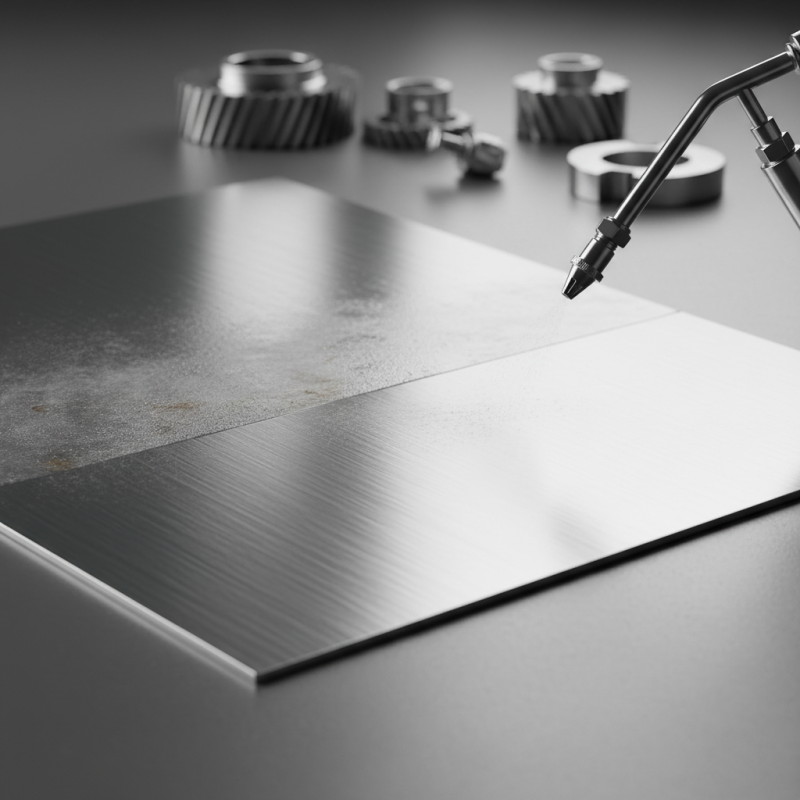
Nickel plating is a widely used technique in the metalworking industry. This process involves applying a thin layer of nickel onto the surface of metals. The results lead to enhanced corrosion resistance and improved wear performance. According to a report by the Metals Industry Research Association, nickel plating can increase the life of metal parts by up to 50%. This significant improvement makes nickel plating a popular choice across various applications, including automotive and aerospace sectors.
In addition to protection, nickel plating offers excellent aesthetic qualities. A bright, shiny finish attracts consumers in many industries. The fact that 30% of consumers associate appearance with quality underscores this importance. However, some industries still overlook nickel plating. This leads to premature wear and corrosion issues in their operations.
Moreover, it's important to note the nuances in nickel plating processes. Not all applications require the same plating thickness. Sometimes, too much nickel can lead to brittleness. Balancing these factors demands careful consideration from engineers. Reflecting on these details is vital for achieving optimal results in metal applications.
Nickel Plating Applications and Benefits
Understanding the Role of Protective Agents in Metal Finishing
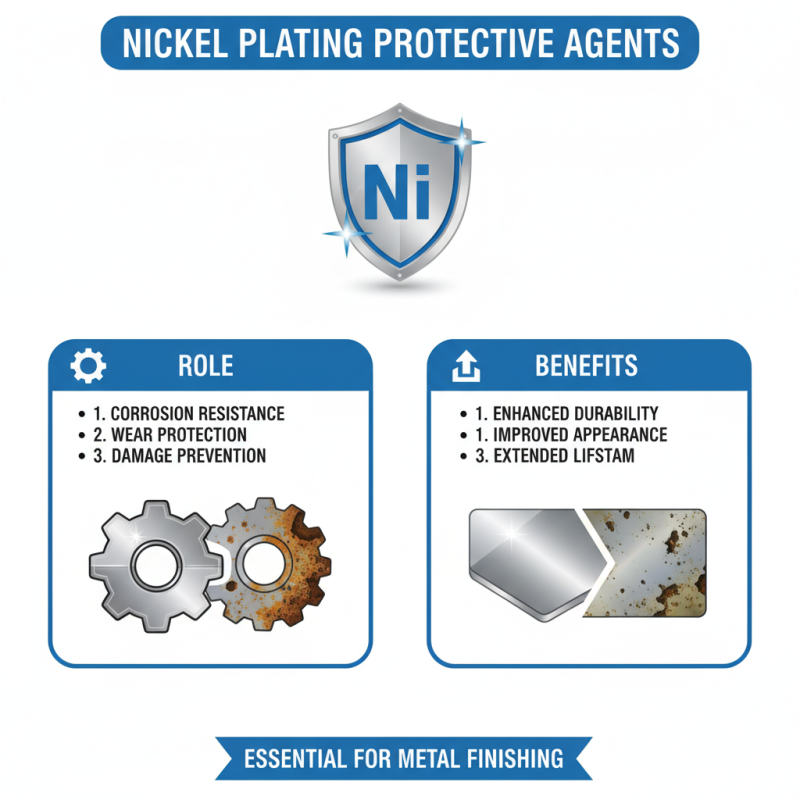
Nickel plating protective agents play a vital role in metal finishing. They provide a barrier that helps metals resist corrosion, wear, and damage. Without these agents, metals could suffer from rust and deterioration. This process enhances both durability and appearance. A well-chosen protective agent can significantly extend the lifespan of metal items.
When selecting a protective agent, consider the specific metal you are working with. Different metals have varying responses to plating. For example, steel may require a different approach than aluminum. It’s essential to experiment with small samples before full application. This trial and error process can help identify the most suitable agent.
**Tip:** Always clean the metal surface thoroughly before applying the protective agent. Dirt or grease can compromise adhesion. A clean surface ensures optimal effectiveness.
Remember that not every agent works perfectly. Sometimes, results may be uneven or unsatisfactory. Such moments call for reflection. Analysis of the failed processes can lead to better choices in subsequent applications. Being attentive to details can make all the difference in the quality of your metal finishes.
Benefits of Using Nickel Plating Protective Agents
Nickel plating protective agents provide numerous benefits for metals. These agents create a sturdy barrier against corrosion and rust. When metals are exposed to moisture, they can corrode quickly. Nickel plating provides a long-lasting defense, extending the lifespan of metal items.
Additionally, nickel plating improves aesthetics. It gives metals a shiny and smooth finish. This enhanced appearance makes products more appealing to customers. The plating also reduces friction, leading to less wear and tear on mechanical components. Over time, this can lower maintenance costs.
There are drawbacks to consider as well. The application process can be complex. Not all metals respond equally to nickel plating. Sometimes, imperfections arise. Surface preparation is critical for success. If done poorly, the plating may peel or chip. It's important to reflect on the specific needs before proceeding.
Common Industries Utilizing Nickel Plating for Metal Protection
Nickel plating is vital across various industries. It provides a layer of protection against corrosion and wear. The automotive sector often adopts it for components like transmission parts. A study showed that nickel-plated parts can last up to 30% longer than uncoated ones. This durability is crucial for manufacturers who prioritize reliability.
In electronics, nickel plating is common for connectors and circuit boards. It enhances conductivity and prolongs product life. Reports indicate that nickel plating can increase the lifespan of electronic components by approximately 15-20%. Companies often rethink their metal treatment strategies when they see these figures.
The aerospace industry also employs nickel plating extensively. It plays a significant role in protecting components from extreme environments. A report highlighted that nickel-plated alloys can withstand temperatures up to 600°C. Despite its advantages, some industries face challenges in maintaining consistent quality during the plating process. This inconsistency can lead to product failures and increased costs, urging companies to focus on better quality control measures.
Why Do You Need Nickel Plating Protective Agent for Metals? - Common Industries Utilizing Nickel Plating for Metal Protection
| Industry |
Application |
Benefits of Nickel Plating |
| Aerospace |
Components like landing gear and brackets |
Corrosion resistance, increased durability |
| Automotive |
Chassis and engine parts |
Enhanced surface hardness, aesthetic appeal |
| Electronics |
Connectors and circuit boards |
Improved conductivity, protection against oxidation |
| Construction |
Fasteners and reinforcement
elements |
Increased lifespan, resistance to environmental factors |
| Medical |
Surgical instruments and implants |
Biocompatibility, hygienic surface |
Factors to Consider When Choosing a Nickel Plating Protective Agent
Choosing the right nickel plating protective agent is critical for metal longevity. One must consider thickness, flexibility, and corrosion resistance. A 2022 industry report highlights that coatings with a thickness of 20 microns can reduce corrosion rates by up to 30%. This data showcases the importance of selecting an agent based on specific metal use.
Flexibility in the protective layer is essential. Rigid coatings may crack under stress, compromising their protective qualities. Research indicates that materials exhibiting elastic properties can handle greater impacts. This flexibility can extend the life of metal components significantly.
Corrosion resistance is another crucial factor. Environments with high humidity or saline can deteriorate unprotected metals. A comprehensive study found that nickel plating can increase lifespan by 50% in such conditions. But choosing a subpar agent can negate these benefits. Reflecting on these factors can lead to better decision-making in protective plating.