Nickel Plating Protective Agent Tips for Best Results?
When it comes to metal finishing, the choice of a Nickel Plating Protective Agent is crucial. This agent not only enhances the appearance of the metal but also provides a protective layer against corrosion. The right product can make a significant difference in durability and aesthetic appeal.
Applying a Nickel Plating Protective Agent effectively requires attention to detail. Surface preparation is key. Improperly cleaned surfaces lead to poor adhesion and overall results. Factors like temperature and humidity can also affect the application process. Many overlook these conditions and face unsatisfactory results.
Testing different products may yield mixed results. Some agents may not meet expectations, prompting a need for reevaluation. It is essential to document the process, noting what works and what doesn’t. This way, the application of nickel plating becomes more refined over time, leading to optimal outcomes.
Understanding Nickel Plating and Its Protective Agents
Nickel plating is a vital process in various industries. It enhances corrosion resistance and improves aesthetic appeal. The selection of protective agents is crucial for optimal results in nickel plating. According to industry reports, improper use of agents can lead to poor adhesion and premature failure, costing companies significantly.
To achieve the best results, consider these tips. Always clean the surface thoroughly before plating. Contaminants can compromise the bond between nickel and the substrate. Use ultrasonic cleaning or chemical baths to ensure a spotless surface. Proper pH levels in the plating bath can also enhance performance. A balanced pH increases deposition efficiency and reduces defects.
Another important point is temperature control during plating. High temperatures can lead to faster deposition but may cause stress within the nickel layer. Balance is key. While many opt for quicker processes, slower plating can yield a denser, more even finish. Remember, rushed work often leads to higher rates of failure. Keeping an eye on these details will improve your nickel plating outcomes significantly.
Factors Influencing the Effectiveness of Nickel Plating Agents
Nickel plating is widely used for protection and aesthetics. However, several factors can influence the effectiveness of nickel plating agents. One major aspect is surface preparation. A clean and smooth surface leads to better adhesion. Any contaminants can cause imperfections in the finish.
Another vital factor is the plating solution composition. The pH level and temperature play significant roles. Maintaining the right balance can enhance the quality of the nickel layer. Minor fluctuations can result in varying thickness or uniformity.
Here are a few tips for successful nickel plating:
1. Always ensure thorough cleaning before plating. Use ultrasonic cleaning if possible.
2. Monitor the solution regularly. This avoids issues that arise from improper concentration.
3. Conduct tests on small samples before large projects. Small mistakes can lead to undesired results.
Step-by-Step Application Process for Nickel Plating Protection
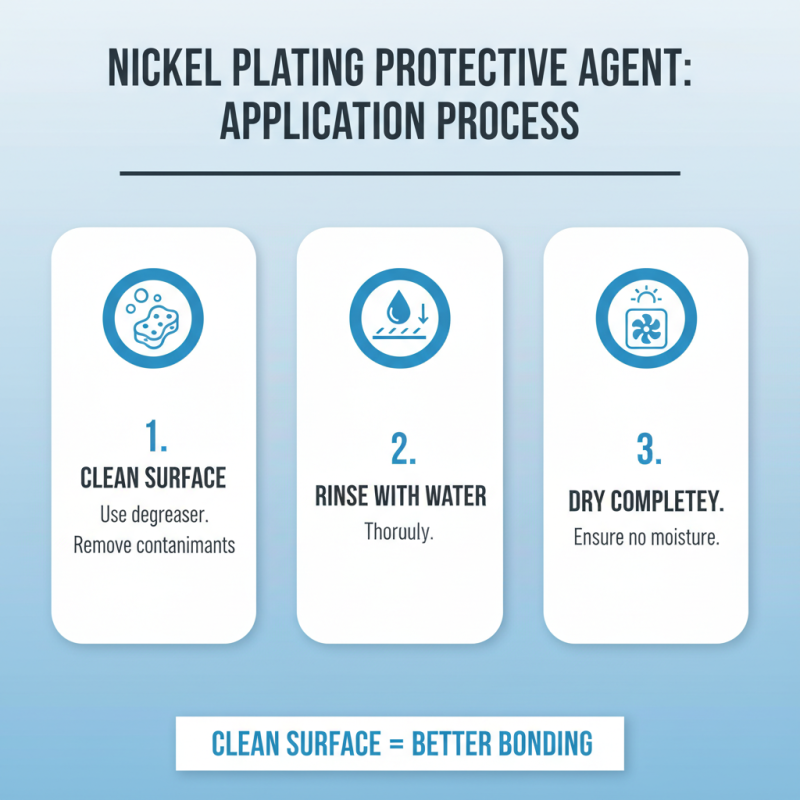
When applying a nickel plating protective agent, a step-by-step process ensures efficiency and effectiveness. Begin by cleaning the surface thoroughly. Use a degreaser to remove any contaminants. A clean surface helps the protective agent bond well. Rinse with water and dry completely before proceeding.
Next, prepare the nickel plating solution. Follow the instructions carefully. Mix components in the right ratios. This is crucial for optimal results. A slight miscalculation can lead to disappointing outcomes. Apply the solution evenly to avoid streaks. A brush or spray can be helpful here. Ensure you cover all surfaces.
Tips for best results include testing a small area first. This allows you to gauge the effect without risk. If there are bubbles or irregularities, rethink your application method. Also, ensure adequate ventilation. A well-ventilated space minimizes exposure to fumes. Lastly, allow ample drying time to avoid imperfections. Rushing can lead to valuable mistakes.
Common Mistakes to Avoid When Using Nickel Plating Agents
Nickel plating offers superior protection and enhances the aesthetic of metal surfaces. However, many users fall into common pitfalls that can compromise results. One such mistake is failing to adequately clean the substrate before the plating process. Contaminants like oils or dust can lead to poor adhesion, affecting both appearance and durability. According to industry data, improper cleaning can decrease plating effectiveness by up to 30%.
Another frequent oversight is overlooking the importance of temperature control during the plating process. Nickel plating typically requires specific temperature ranges to achieve optimal results. Deviating from these ranges can cause uneven deposits and reduced hardness. Studies indicate that maintaining a stable temperature can enhance coating uniformity by approximately 25%.
Lastly, users often forget to monitor the current density during the plating process. An excessively high current can lead to rough and uneven plating, while low currents may result in weak adhesion. Striking the right balance is crucial for achieving a smooth finish. Understanding these common mistakes can significantly improve plating outcomes, ensuring the protective benefits of nickel plating are fully realized.
Maintenance Tips for Prolonging the Life of Nickel-Plated Surfaces
Nickel-plated surfaces are designed for durability, but proper maintenance is essential for longevity. Research indicates that regular cleaning can significantly enhance the life of these surfaces. Daily dirt and grime can lead to corrosion if not addressed. Regular inspections are equally important. These checks can reveal early signs of wear or damage.
Using a soft cloth for cleaning is often overlooked. Harsh materials can scratch the surface and compromise the nickel layer. According to a study, 70% of nickel corrosion issues stem from improper cleaning habits. Water spots and fingerprints are common, but they can usually be removed with a gentle cleaner and a microfibre cloth. This method avoids abrasive substances that can further damage the finish.
In challenging environments, nickel surfaces may require extra care. Humidity can foster corrosion, even under a nickel layer. A protective agent can help here. Such agents create a barrier against moisture. The application should be done every few months, but over-application can lead to an uneven finish. Professionals suggest testing on a small area first. It's essential to remain vigilant. Periodic upkeep will pay off in maintaining the appearance and functionality of nickel-plated items.
Nickel Plating Maintenance Tips