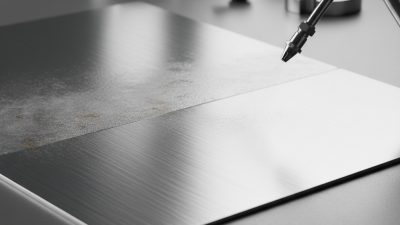
Nickel plating can look bright and uniform when it leaves the bath, yet fingerprints, humidity, and careless handling may dull its surface. A Nickel Plating Protective Agent helps reduce that risk by forming a thin barrier against tarnish, stains, and other forms of surface contamination. The exact protection depends on the product, the nickel finish, and the conditions in which the part will be stored or used. It is not a substitute for sound plating or careful cleaning.
Nickel-plating authority Dr. George A. DiBari is known for his technical work on electrodeposited nickel. I cannot verify a direct quotation from him about protective agents, so I won’t attribute invented words to him. A useful editorial principle is: “A protective coating works best when the surface beneath it is clean and dry.” That detail matters. Residual moisture trapped beneath a coating can leave marks, while an incompatible product may change appearance or interfere with later processing.
This guide explains what a Nickel Plating Protective Agent is used for, how it protects finished parts, and where its limits lie. Picture a plated fitting resting in a humid workshop: the agent may help preserve its appearance during storage, but results still depend on preparation, application, and handling. Small differences matter. Product instructions and testing on a representative sample are practical safeguards, not busywork.
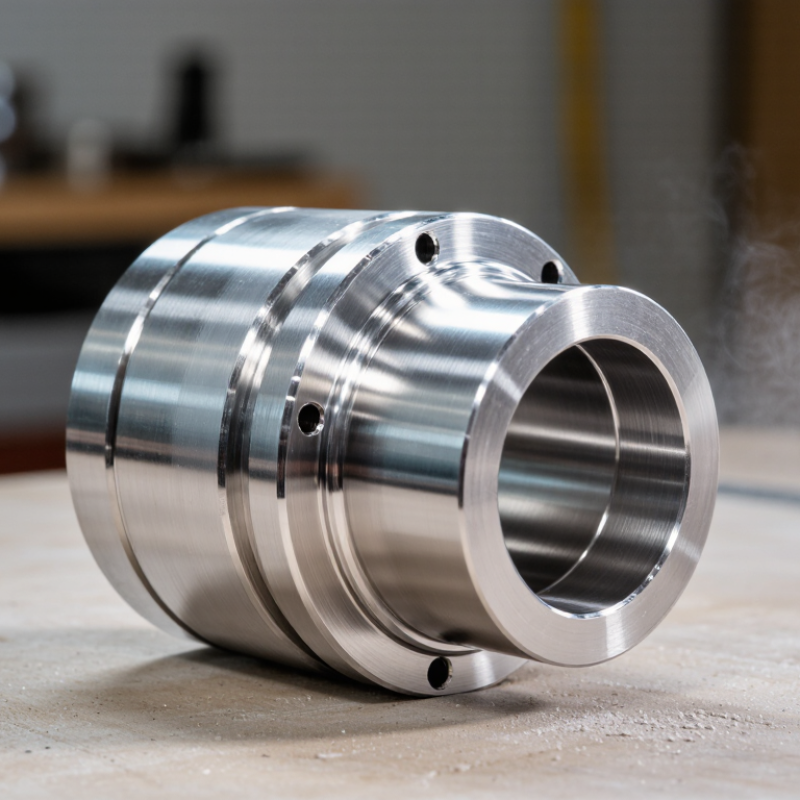
A nickel plating protective agent is a treatment used on nickel-finished parts to reduce tarnishing, oxidation, and staining. Depending on its formulation, it may leave a thin barrier film or chemically condition the surface. The exact mechanism varies. It is not the nickel coating itself, and it cannot repair pores, scratches, or uneven deposits. Picture a bright fitting handled with bare fingers: skin oils and salts can gradually dull its surface. A suitable agent may slow that change. It cannot prevent every mark.
The right choice depends on how the part will be used. Electrical contacts may need a low-residue treatment, while decorative hardware may prioritize gloss and fingerprint resistance. Check compatibility with the nickel finish, later painting or bonding, and expected heat or humidity. Apply it to a clean, dry surface, following the product’s stated concentration and contact time. A small test area can reveal haze, color changes, or poor adhesion before treating a full batch. Protection is often modest. That matters. Maintenance and dry storage still help, especially around seams where moisture can linger. A broad product description may sound reassuring, but results depend on the coating, application, and environment.
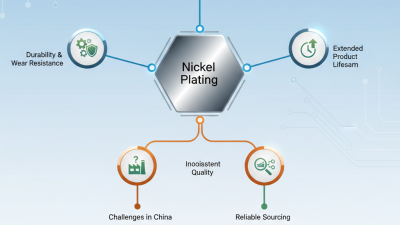
Protective agents are applied after nickel plating to help limit corrosion and tarnishing and preserve the surface appearance. Some formulations also provide water repellency or reduce fingerprints; these benefits depend on the product. This chart shows typical functions, not measured performance.
A nickel plating protective agent adds a thin barrier over the plated surface. Depending on its formulation, it may leave a clear polymer film, a waxy layer, or corrosion-inhibiting compounds. This barrier slows contact with moisture, oxygen, salts, and oils from fingerprints. Less exposure can mean less tarnish and fewer corrosion marks, especially on parts handled often or stored in damp areas. It helps, but it does not make nickel invulnerable.
The surface should be clean and dry before application. Dust or trapped water can sit beneath the coating and spoil the finish. Apply a small amount with a soft, lint-free cloth, then follow the product’s directions for drying or buffing. Thin coverage is usually preferable; a heavy layer may look cloudy or collect grime. Test an inconspicuous spot first, since some agents can affect nearby plastics, paint, or seals. That detail is easy to miss. A protective agent also cannot fill scratches or seal every plating pore, so damaged areas may still corrode. For parts exposed to frequent abrasion, check the coating periodically and reapply when its film has worn away. I would not assume that a shiny surface is fully protected; appearance alone tells little about barrier performance.
A nickel plating protective agent is a post-treatment applied to a finished surface. Depending on its chemistry, it can leave a thin barrier that slows moisture, salt, and airborne contaminants from reaching the metal. This helps reduce corrosion, tarnish, water spotting, and fingerprints on parts such as handles, fittings, and fasteners. Small pores matter. If a component sits in a damp workshop, those tiny openings can become starting points for staining or rust on the underlying substrate.
The NACE International IMPACT study estimated corrosion costs at US$2.5 trillion worldwide each year, roughly 3.4% of global GDP. It also reported that corrosion-control practices could save 15–35% of those costs. That is broad industry context, not a performance claim for any single nickel-plating treatment. A protective agent may help preserve appearance and slow attack, but it cannot repair poor adhesion, deep pores, or an uneven deposit. Results depend on the base metal, plating thickness, agent, and exposure conditions. Honestly, “protected” does not mean maintenance-free; salt residue and abrasive cleaning can still damage a surface.
Nickel plating protective agents are used on finished nickel-plated surfaces to help limit tarnishing, staining, and moisture-related corrosion. They can also help preserve the surface’s brightness during handling and storage. Their performance depends on the coating, the agent’s formulation, and the conditions around the part.
These agents are used across many settings. Automotive trim, fasteners, and small hardware may receive protection against fingerprints and damp air. In electronics, plated contacts and connector components may need surface protection, but the product must not interfere with electrical contact. Plumbing fittings, appliance handles, tools, and decorative fixtures are other common examples. In workshops, even parts that look clean can collect oils or residue, so preparation matters. A protective agent cannot repair worn or damaged plating.
A nickel-plating protective agent is chosen to slow tarnishing, reduce corrosion, or protect a finished surface during storage and use. The right choice depends on what the part will face: humid air, fingerprints, cleaning chemicals, or repeated handling. A decorative fitting kept indoors has different needs from a component exposed to outdoor moisture.
Start with the plated surface and the job it must perform. Some agents leave a thin, nearly invisible film; others can change gloss, color, or feel. Check whether the treatment suits the nickel deposit, base material, and any later steps, such as painting or assembly. Small details matter. A protective film that feels slightly greasy may be unacceptable on a part people touch, even if it resists tarnish well.
Review the supplier’s technical data, including application method, drying time, and recommended film thickness. Then test sample parts under realistic conditions. Look for haze, uneven coverage, loss of adhesion, or changes after handling. A data sheet alone cannot predict every production line or storage environment. This choice is less tidy than it sounds; a promising result in a short test may not reflect months of exposure. Compare performance with the actual service conditions before adopting a treatment at scale.
| Protective Agent or Treatment | Primary Purpose | Typical Applications | Key Selection Factors | Important Considerations |
|---|---|---|---|---|
| Anti-tarnish treatment | Helps reduce discoloration or tarnishing of nickel surfaces during storage and handling. | Decorative nickel-plated parts, fittings, hardware, and components exposed to indoor air. | Required appearance, storage conditions, handling frequency, and compatibility with the nickel finish. | May change surface appearance or affect later painting, bonding, or other finishing steps. Confirm compatibility before use. |
| Organic corrosion-inhibiting film | Forms a thin barrier that limits contact between the plated surface and moisture or contaminants. | Parts requiring temporary protection during packaging, transport, or storage. | Expected exposure, film thickness, drying time, removability, and whether the part must remain clean or conductive. | A film can affect electrical contact, appearance, or subsequent coating processes. Test the complete process sequence. |
| Clear sealer or topcoat | Adds a physical barrier over the nickel finish to help protect against moisture, handling, and mild environmental exposure. | Decorative components and parts where a clear protective layer is acceptable. | Required clarity, gloss, abrasion resistance, service temperature, and exposure to chemicals or cleaning agents. | Can alter gloss, color, feel, dimensions, and electrical contact. It is not a substitute for selecting a suitable plating system for severe service. |
| Water-displacing protective fluid | Displaces residual water and leaves a temporary protective film after rinsing or cleaning. | Machined or plated components that need short-term protection before packaging. | Residual moisture risk, required protection period, cleanliness requirements, and ease of removal. | Some fluids leave oily residues that may interfere with assembly, painting, bonding, or electrical connections. |
| Passivation or conversion treatment | Modifies the surface to improve resistance to tarnishing or corrosion, depending on the coating system and process. | Selected nickel-plated components for which the treatment has been validated with the specific finish. | Nickel deposit type, treatment chemistry, required appearance, applicable regulations, and performance-test results. | Not every passivation process is suitable for every nickel deposit. Verify the process with the treatment supplier and test representative parts. |
| No additional protective agent | Avoids adding a film when the nickel coating and service conditions already meet the requirements. | Parts used in controlled indoor environments or parts that require an uncoated conductive surface. | Plating specification, substrate, coating thickness, environment, maintenance, and required service life. | Nickel plating performance depends on the deposit and the complete coating system; assess the actual part and operating environment. |
Selection guide: Define the part’s environment, required appearance, protection period, electrical or assembly needs, and applicable regulations first. Then verify compatibility on representative parts and evaluate performance using the tests specified for the application. A test result applies to the tested coating system and conditions, not automatically to every part or environment.