How to Achieve Optimal Zinc Iron Plating for Enhanced Corrosion Resistance?
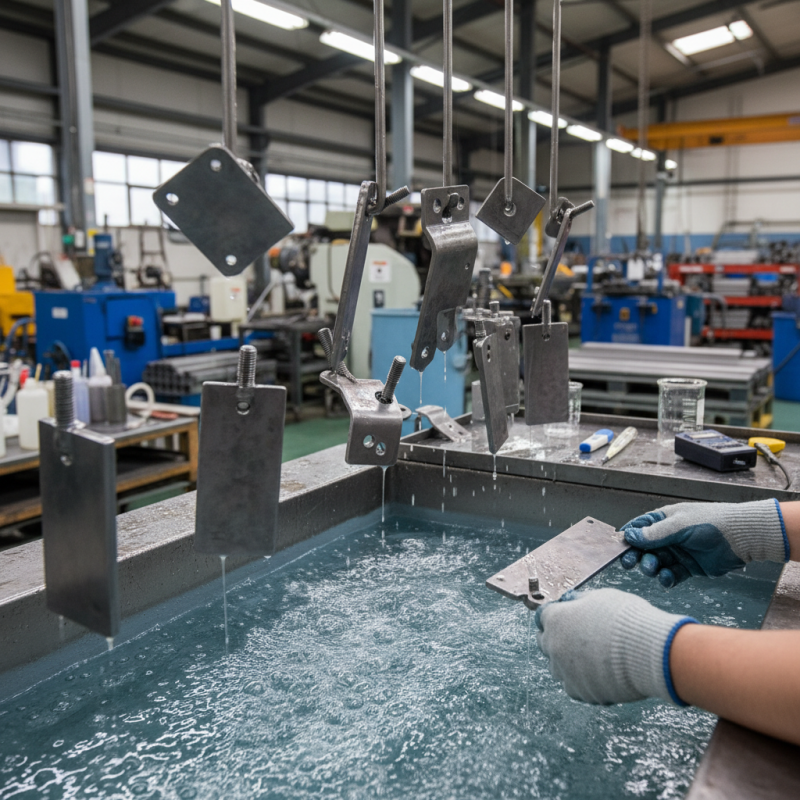
Zinc Iron Plating is a critical process for enhancing corrosion resistance in various applications. This technique combines zinc and iron, offering effective protection against rust. However, achieving optimal results requires attention to detail and specific conditions.
The plating process involves several factors, including temperature and solution composition. A precise balance between zinc and iron is essential. Too much zinc can lead to brittleness, compromising the integrity of the coating. On the other hand, insufficient zinc may weaken the corrosion resistance.
Continuous improvement is vital in this field. Observing the plating results and seeking ways to enhance the process can lead to better outcomes. Manufacturers often face challenges that require reflection. By closely examining imperfections, we can strive for better techniques and outcomes.
Understanding the Basics of Zinc Iron Plating and Its Importance
Zinc iron plating is a process that enhances corrosion resistance in metal components. This method combines the protective qualities of zinc with the strength of iron. Understanding this process is crucial for industries that rely on metal parts, as it significantly prolongs component life. When done correctly, the result is a durable and resilient surface.
The basics of zinc iron plating involve meticulous preparation. The metal substrate must be clean and free from contaminants. If not, the coating may not adhere properly. This could lead to inadequate protection. Adding a zinc layer provides cathodic protection. However, achieving an optimal ratio of zinc to iron requires careful control. Too much zinc can cause brittleness, while too little can result in insufficient protection.
Despite its advantages, some may overlook the importance of proper measurements and mixing. The plating process can be complex and prone to errors. If the application is inconsistent, it can yield unsatisfactory results. Regular monitoring and adjustments are necessary. This ensures that corrosion resistance remains at its peak. Healthy practices must be prioritized to achieve the best outcomes in zinc iron plating.
Key Factors Influencing Corrosion Resistance in Zinc Iron Plating
Corrosion resistance in zinc iron plating is affected by several critical factors. One primary aspect is the composition of the plating solution. The balance of zinc and iron must be carefully controlled during the plating process. If the zinc concentration is too high, it can lead to poor adhesion. Conversely, inadequate zinc may not provide sufficient protection against corrosion.
Surface preparation is another key factor. The base metal must be cleaned thoroughly to prevent contamination. Any remaining oils or oxidation can compromise the coating's effectiveness. A roughened surface often enhances bonding. However, over-preparation can strip away beneficial layers.
Tips: Maintain consistent bath temperatures. This ensures uniform deposition. Regular sampling of the plating solution is also beneficial. It helps detect any deviations early. Make sure to monitor the pH levels frequently. This helps maintain the balance needed for ideal coating.
Lastly, post-plating treatment can significantly influence durability. Options include passivation or sealing, which can enhance the resistance further. However, over-timing in these treatments may lead to brittleness. It's essential to test different methods and find the balance between protection and flexibility.
How to Achieve Optimal Zinc Iron Plating for Enhanced Corrosion Resistance? - Key Factors Influencing Corrosion Resistance in Zinc Iron Plating
| Factor |
Description |
Impact on Corrosion Resistance |
Optimal Range |
| Zinc Thickness |
The layer of zinc applied to the substrate. |
Thicker Zinc layers improve corrosion resistance but may affect adhesion. |
50-100 µm |
| Iron Content |
Percentage of iron alloyed with zinc. |
Increased iron content can enhance strength but may reduce corrosion resistance. |
5-15% |
| Passivation Treatment |
Chemical treatment to enhance corrosion resistance. |
Improves barrier properties and corrosion resistance. |
Varies by solution used |
| Environmental Conditions |
Factors like humidity and salinity. |
Higher humidity and salinity increase corrosion rates. |
Control as per exposure location |
| Surface Preparation |
Cleaning and treating surface before plating. |
Proper preparation ensures better adhesion and minimizes corrosion. |
Abrasive cleaning standards |
Optimizing Plating Conditions: Temperature, pH, and Current Density
Achieving optimal zinc iron plating is essential for improving corrosion resistance. The plating conditions play a significant role in this process. Temperature is one of the critical factors. An elevated temperature can speed up the reaction rates but may lead to undesirable effects. Finding the right balance is crucial. Too high a temperature risks poor adherence of the plating.
The pH level also influences the quality of plating. A neutral pH usually provides the best results. Deviating from this can result in irregular deposits. It’s important to monitor these levels continuously. Small fluctuations can impact the overall uniformity of the plating. Current density is another key parameter. Higher current densities can improve plating speed but may also induce a rough surface texture. Experimentation is often necessary to perfect these conditions.
While these factors are essential, it is easy to overlook some variables. Sometimes, operators get too focused on just one parameter. This can lead to uneven coatings or adhesion issues. Regular evaluations and adjustments are necessary for achieving the best results. Each plating bath is unique, and continuous optimization is vital for success.
Optimal Zinc Iron Plating Conditions for Enhanced Corrosion Resistance
This bar chart illustrates the optimal conditions for achieving enhanced corrosion resistance through zinc iron plating. The ideal temperature is set at 25°C, the pH level at 7, and the current density at 2 A/dm². Maintaining these parameters is crucial for optimal plating performance.
Analyzing Industry Standards and Specifications for Zinc Iron Coatings
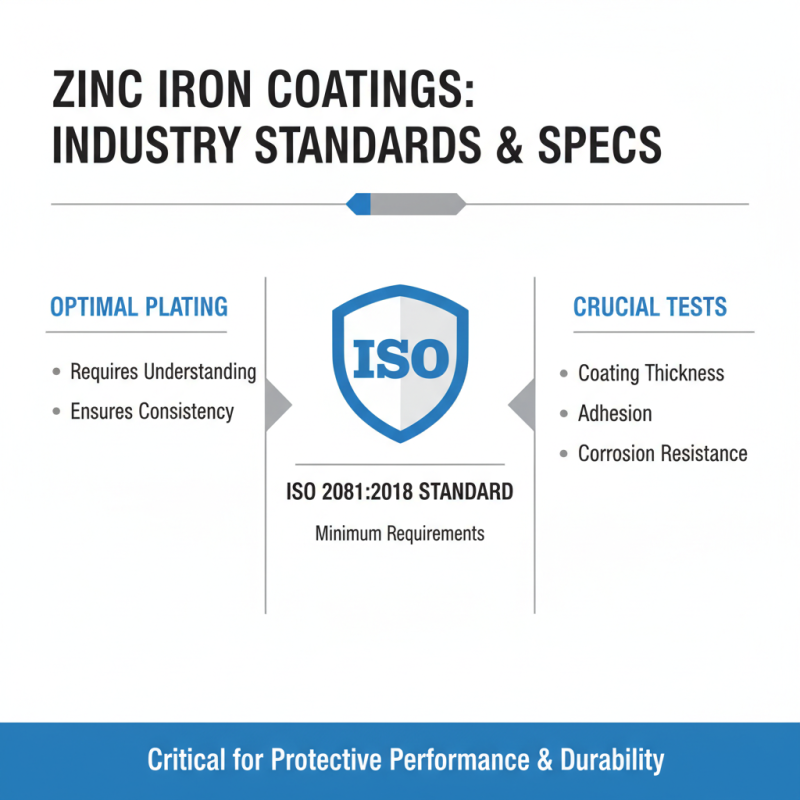
Achieving optimal zinc iron plating requires a thorough understanding of industry standards and specifications. The ISO 2081:2018 standard outlines minimum requirements for zinc iron coatings. This standard helps ensure consistency in protective performance. It specifies essential coating thickness, adhesion, and corrosion resistance tests, which are crucial for critical applications.
Research shows that coatings meeting the ASTM B633 specification can demonstrate impressive corrosion endurance. For instance, coatings that pass the 1,000-hour salt spray test are noted for their robust protection. Despite this, many manufacturers still struggle to consistently meet these guidelines. The results can vary significantly based on the application process and environmental factors.
Coating uniformity is another concern. Inconsistent plating thickness often leads to weak spots. These areas might succumb to corrosion despite the overall coating meeting standards. Open discussions around quality control practices can lead to insights. Evaluating these standards can create pathways for improvement. As the industry evolves, sharing best practices and challenges can enhance overall coating performance.
Testing Methods for Evaluating Corrosion Resistance in Plated Components
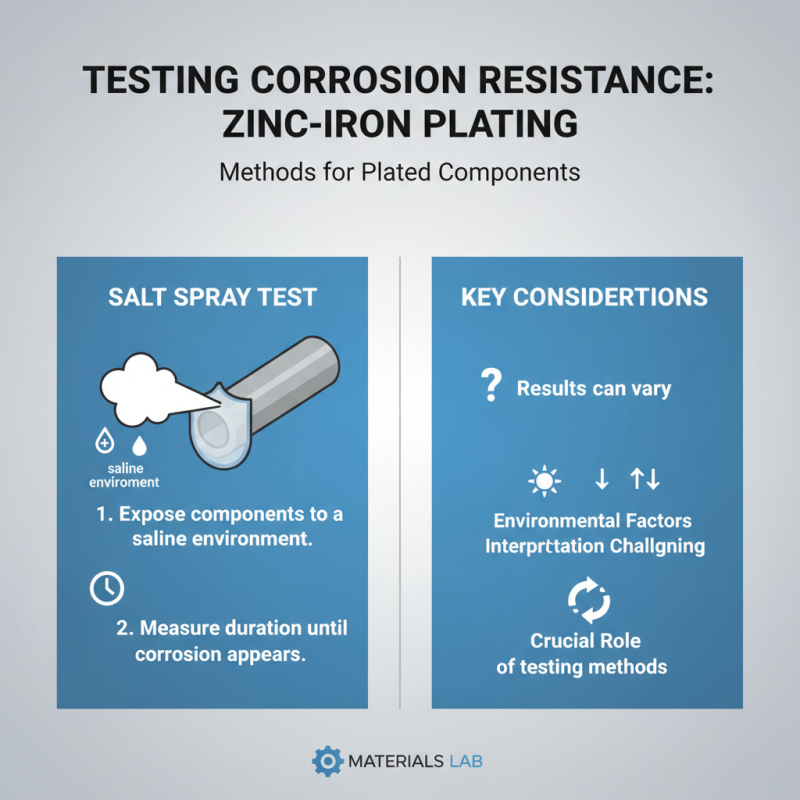
When assessing the corrosion resistance of zinc iron plating, testing methods play a crucial role. One widely used method is the salt spray test. This involves exposing the plated components to a saline environment. The duration of exposure reveals how well the plating withstands corrosive conditions. However, results can vary based on environmental factors, making interpretation challenging.
Another effective approach is the electrochemical impedance spectroscopy (EIS). This method measures the impedance of the coating, providing insights into its protective characteristics. A higher impedance usually indicates better corrosion resistance. However, this technique requires precise calibration. Even slight deviations can lead to misleading results.
Field exposure tests also offer valuable data. By placing samples in real-world environments, you can observe long-term performance. Yet, these tests are time-consuming and can be influenced by unpredictable factors. Each method has its drawbacks, emphasizing the importance of a comprehensive evaluation strategy.