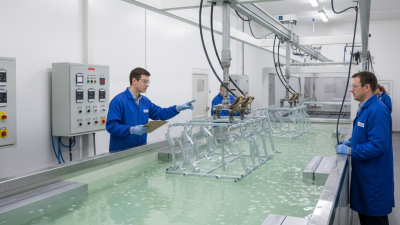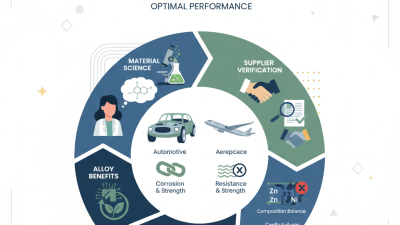
China’s acid zinc plating sector supports automotive parts, fasteners, construction hardware, and electrical components. Acid Zinc Plating creates a bright, uniform zinc layer. It also supports efficient production on steel parts with complex shapes.
Market data shows why supplier selection deserves closer attention. MarketsandMarkets estimates the global zinc chemicals market will grow from about USD 10.8 billion in 2023 to USD 14.3 billion by 2028. This report does not measure acid zinc plating alone. Still, it signals wider demand for zinc-based industrial technologies.
Production volume is only one clue.
Frank Altmayer, an AESF Fellow and metal-finishing consultant, has emphasized, “If you cannot measure a plating bath, you cannot control it.” This practical principle applies directly to supplier evaluation. Reliable manufacturers should document zinc concentration, chloride levels, pH control, current density, coating thickness, and wastewater practices. Their laboratories should provide repeatable test records, not attractive promises.
The top ten manufacturers in this guide are assessed through technical capability, factory experience, quality systems, process consistency, customization, and export support. Certifications may help, but they never replace production evidence. A supplier can display ISO paperwork and still struggle with burnt edges, poor adhesion, or uneven deposits.
That uncomfortable detail matters.
The ranking is therefore a research starting point, not an absolute verdict. Buyers should request recent test panels, inspection reports, bath-maintenance procedures, and customer references before approving a long-term partner. These checks reveal whether a company truly understands Acid Zinc Plating or simply markets the phrase.
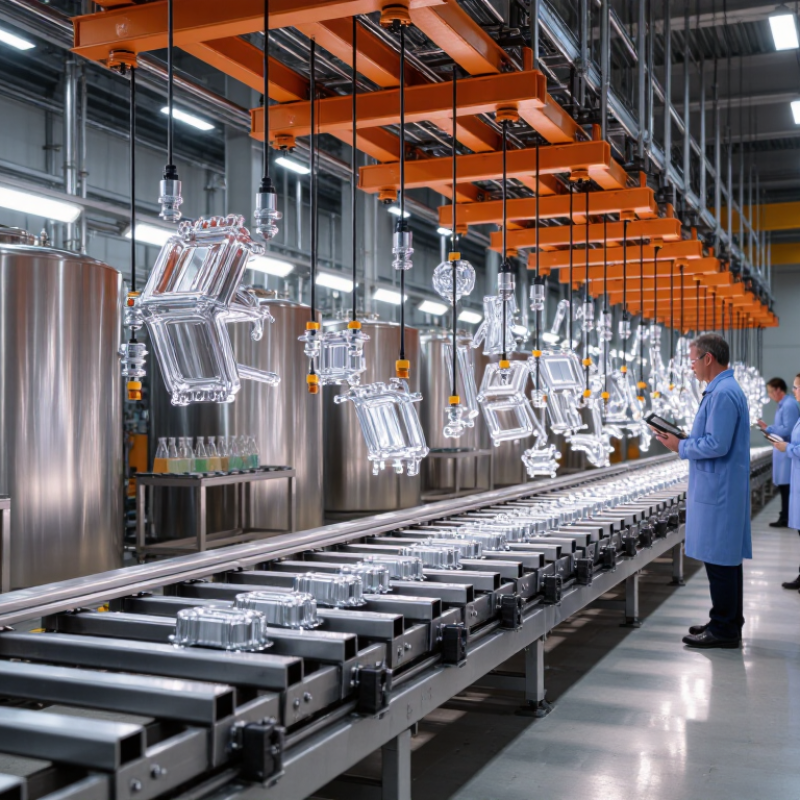
Acid zinc plating is an electrochemical process that deposits a thin zinc layer onto steel or iron. The acidic bath usually contains zinc salts, chloride compounds, conductivity aids, and controlled additives. An electric current moves zinc ions toward the cleaned workpiece. The result is a bright or semi-bright coating with useful corrosion resistance.
In modern manufacturing, this finish protects fasteners, stamped parts, brackets, and automotive components from moisture and oxidation. It also provides a stable surface for later sealing or coloring. Experienced plating teams monitor bath temperature, pH, current density, and filtration during production. Small changes matter. Poor cleaning can create dark patches, weak adhesion, or uneven coverage. Thickness testing and visual inspection should support each batch record. However, zinc plating is not a perfect shield. Scratches, sharp edges, trapped chemicals, and poor storage can reduce service life. That limitation deserves more attention.
Tips: Clean the metal thoroughly before plating. Keep current density consistent across complex shapes. Check coating thickness at edges and recessed areas. Avoid judging quality by shine alone. A dull finish may still perform well, while excessive brightness can hide weak adhesion. Select acid zinc plating manufacturers that provide process records, test data, and clear quality controls. Ask how they manage bath contamination and hydrogen-related risks. Reliable communication often reveals more than a polished sample.
Ranking China’s acid zinc plating manufacturers requires more than comparing factory size or export volume. A practical review should examine plating consistency, technical experience, and documented process control. Inspect the production floor, not only the showroom. Check whether operators monitor bath temperature, pH, chloride concentration, and current density during each shift. Small variations can create uneven deposits, dull surfaces, or poor corrosion resistance.
Quality evidence should include coating-thickness records, adhesion tests, salt-spray results, and batch traceability. Ask for recent inspection samples, not prepared display pieces. A reliable manufacturer can explain its rectifier settings, pretreatment stages, passivation choices, and drying controls in clear language. Independent laboratory reports add credibility, especially when results match ordinary production batches. Capability matters too. Evaluate rack capacity, barrel lines, automatic dosing, wastewater controls, and delivery flexibility. A large facility may still struggle with small or highly customized orders.
Commercial reliability also deserves careful weighting. Review response times, engineering support, corrective-action reports, and packaging methods. Photograph the parts before shipment and verify surface protection after transport. No ranking is perfect. Public information may hide subcontracting, outdated equipment, or inconsistent inspection standards. One overlooked detail can change the result. The strongest assessment combines factory visits, sample testing, customer references, and repeated production evidence rather than relying on attractive claims.
China’s top 10 acid zinc plating manufacturers are best compared by capability, not advertising claims. Leading suppliers usually support both barrel and rack plating for steel parts, fasteners, stampings, and precision components. Their acid chloride or sulfate systems can provide bright, uniform deposits with controlled thickness. Some also offer trivalent passivation, sealing, hydrogen-relief baking, and thread protection.
Manufacturing strength depends on more than plating tanks. Reliable factories maintain pretreatment controls, bath analysis, filtration, and documented process limits. They use XRF thickness testing, adhesion checks, corrosion testing, and visual inspection under consistent lighting. Many suppliers handle small prototypes and high-volume orders, but capacity varies by part geometry and inspection requirements. A strong supplier should explain its limits clearly. That matters more than a polished brochure. No ranking remains permanent.
Tips: Request recent inspection reports, sample panels, and process flow records. Confirm whether quoted salt-spray hours apply to the complete system, including passivation and sealer. Ask how rejected parts are contained and traced. Visit the facility when possible. Check wastewater controls and worker-safety practices. Also verify production lead times during peak seasons. A low price can hide weak pretreatment or unstable bath management. Supplier performance should be reviewed after trial production, not judged from samples alone.
China’s top 10 acid zinc plating manufacturers are often compared through quality standards, process control, and application experience. Reliable suppliers should provide traceable bath records, calibrated testing equipment, and clear inspection reports. ISO-based quality systems help, but certificates alone are not proof. I would still request recent coating thickness data, adhesion results, and salt spray records from the actual production line.
The process usually begins with alkaline cleaning, acid activation, and controlled electroplating. Operators monitor zinc concentration, pH, temperature, and current density throughout the tank cycle. After plating, parts receive rinsing, passivation, drying, and, when necessary, hydrogen-relief baking. Small differences matter. Poor rinsing can leave stains or reduce corrosion resistance. Overheating may also affect certain high-strength components.
Manufacturers serving automotive, electrical, construction, and hardware sectors should adapt the finish to the part’s working environment. Threaded fasteners need consistent thickness without blocked threads. Sheet-metal components require even coverage around edges and holes. Practical audits should include sample testing, batch identification, and packaging checks. A polished factory tour can look convincing, yet production consistency remains harder to judge. That is where independent laboratory testing becomes useful. Surface appearance is only one detail.
| Reference | Manufacturer Capability Profile | Typical Acid Zinc Chemistry | Common Substrates | Typical Zinc Thickness | Post-Treatment Options | Key Quality Standards | Typical Quality Controls | Production Process | Typical Applications |
|---|---|---|---|---|---|---|---|---|---|
| 01 | High-volume fastener plating profile | Chloride acid zinc with ammonium-free brightener systems | Carbon steel, alloy steel, stamped fasteners | 5–25 μm, depending on dimensional requirements | Trivalent blue passivation Clear passivation Topcoat | ISO 2081; ASTM B633; ISO 4042 for fasteners | Thickness measurement, adhesion inspection, appearance inspection, bath analysis | Cleaning → acid activation → acid zinc plating → rinsing → passivation → drying | Bolts, nuts, washers, clips and general industrial fasteners |
| 02 | Automotive component plating profile | High-conductivity chloride zinc electrolyte with controlled additives | Cold-rolled steel, stamped automotive components | 8–20 μm for corrosion-protection applications | Trivalent black passivation Sealer Low-friction topcoat | ISO 2081; ASTM B633; ISO 9227 for salt-spray testing | Coating-thickness mapping, torque-tension testing where required, corrosion testing, bath control | Degreasing → pickling → electroplating → passivation → sealing → inspection | Brackets, retainers, seat hardware, chassis clips and underbody parts |
| 03 | Precision small-part plating profile | Acid zinc barrel-plating chemistry with controlled brightener dosage | Small steel parts, machined components and wire-form parts | 5–15 μm for small-part production | Trivalent clear passivation Organic sealer | ISO 2081; ASTM B633; ISO 3497 or X-ray fluorescence methods | Barrel loading control, current-density monitoring, visual sorting, thickness sampling | Barrel cleaning → activation → plating → multi-stage rinsing → passivation → drying | Electrical hardware, springs, clips, pins and small mechanical components |
| 04 | Rack-plating profile for complex geometries | Acid chloride zinc system optimized for rack current distribution | Large stamped parts, fabricated steel parts and precision assemblies | 8–30 μm, with local thickness control on critical surfaces | Trivalent blue passivation Yellow passivation where specified Sealer | ISO 2081; ASTM B633; ISO 4519 for electroplated coatings | Rack-contact verification, thickness testing at defined locations, adhesion testing, visual inspection | Racking → alkaline cleaning → acid activation → zinc plating → passivation → drying | Industrial brackets, housings, frames, hinges and fabricated assemblies |
| 05 | High-corrosion-resistance finishing profile | Acid zinc plating followed by trivalent passivation and protective topcoat | Low-carbon steel and medium-strength steel components | 8–20 μm, selected according to service environment | Trivalent passivation Silicate or polymer sealer Organic topcoat | ISO 2081; ASTM B633; ISO 9227; ASTM B117 where specified | Neutral salt-spray testing, coating-thickness testing, bath chemistry analysis, surface cleanliness checks | Pre-cleaning → zinc deposition → passivation → sealing → curing or drying → final inspection | Outdoor equipment, agricultural machinery, construction hardware and utility components |
| 06 | Electrical and conductive-part plating profile | Low-roughness acid zinc chemistry with controlled deposit appearance | Steel terminals, grounding hardware and conductive steel fittings | 5–12 μm where conductivity and dimensional control are important | Clear trivalent passivation Low-film sealer | ISO 2081; ASTM B633; customer electrical-resistance specifications | Contact resistance testing, thickness checks, surface-defect inspection, bath conductivity control | Cleaning → activation → zinc plating → rinsing → light passivation → drying | Grounding parts, cable supports, electrical cabinets and steel terminals |
| 07 | Heavy-duty machinery component profile | Acid zinc plating with robust pre-treatment for scale-free steel surfaces | Machined steel, forged steel and fabricated machinery parts | 10–25 μm for demanding industrial environments | Trivalent passivation Heavy-duty sealer Wax or polymer topcoat | ISO 2081; ASTM B633; ISO 9227; ISO 1463 for selected thickness evaluations | Surface-preparation verification, thickness testing, adhesion testing, corrosion testing | Soak cleaning → electrocleaning → acid activation → plating → passivation → sealing | Hydraulic equipment, pumps, gear assemblies, machine guards and industrial frames |
| 08 | Hydrogen-embrittlement-sensitive component profile | Acid zinc process with controlled pickling time and post-plating baking capability | High-strength steel fasteners and hardened steel parts | 5–15 μm, subject to design and corrosion requirements | Trivalent passivation Controlled-temperature bake Sealer | ISO 2081; ASTM B633; ASTM B850 for hydrogen-embrittlement relief guidance | Baking records, hardness verification, thickness testing, torque or tensile testing where required | Controlled cleaning → limited acid activation → plating → immediate post-plating bake → passivation | High-strength bolts, suspension hardware, safety-critical brackets and spring components |
| 09 | Decorative and visible-surface plating profile | Bright acid zinc chemistry designed for uniform color and smooth appearance | Steel handles, hardware, consumer-product components and visible fittings | 5–15 μm for decorative and light-duty protection | Bright trivalent finish Black passivation Clear protective lacquer | ISO 2081; ASTM B633; customer color and appearance specifications | Gloss and color inspection, visual defect sorting, thickness testing, adhesion testing | Polishing or preparation → cleaning → acid zinc plating → passivation → lacquer or sealer | Furniture hardware, door fittings, appliance parts and consumer hardware |
| 10 | Integrated surface-treatment profile | Acid zinc plating combined with supplementary coating and assembly services | Steel components, subassemblies and mixed-size industrial parts | 5–30 μm, specified by drawing or end-use environment | Trivalent passivation Sealer Organic coating Thread protection | ISO 2081; ASTM B633; ISO 9227; ISO 9001-based quality systems where certified | Incoming inspection, bath analysis, process traceability, thickness testing, corrosion testing and final audit | Part preparation → acid zinc plating → passivation → sealing or coating → curing → packaging | General engineering, renewable-energy equipment, logistics systems and industrial assemblies |
Choosing among China’s top acid zinc plating manufacturers requires more than comparing price lists. Start with process evidence, not polished brochures. Ask whether the factory handles rack plating, barrel plating, or both. These methods suit different part shapes and production volumes. Review bath control records, including pH, temperature, zinc concentration, and current density. Stable control usually produces a more even coating.
Request recent thickness maps and salt-spray test reports. Check whether measurements come from calibrated equipment. A reliable manufacturer should trace every batch from incoming steel to final inspection. Confirm its ability to provide passivation options, color consistency, adhesion testing, and packaging that prevents white corrosion during transport. For high-strength steel parts, discuss hydrogen embrittlement risks and suitable post-treatment controls. Technical answers should be specific, not simply “we can do it.”
A site audit can reveal more than a sales presentation. Look at filtration systems, bath maintenance, worker training, and inspection areas. Ask how rejected parts are isolated and corrected. One overlooked detail can damage an entire shipment. Environmental permits and wastewater controls also deserve verification. A low quotation may hide weak testing or unstable chemistry. However, expensive equipment alone does not prove good workmanship. Compare samples from several production lots, not one carefully selected piece. Your specification should include coating thickness, appearance limits, test methods, packaging, and acceptance rules. Some requirements may remain unclear at the beginning. Record them, test them, and revise them before mass production.