Top Copper Anti Color Agent Suppliers Worldwide?
Copper remains essential in electrical equipment, construction, transportation, and renewable-energy systems. The U.S. Geological Survey’s Mineral Commodity Summaries 2025 identifies copper as a critical industrial material, with global mine production exceeding 22 million metric tons in 2024. More copper surfaces also create a practical challenge: tarnishing, discoloration, and inconsistent appearance during storage or processing.
That is where Copper Anti-Color Agent solutions become important. These formulations help maintain copper brightness and reduce surface color changes caused by oxygen, moisture, heat, and handling. The International Copper Study Group continues to monitor strong long-term copper demand, especially from power networks and clean-energy technologies. This trend increases the need for reliable surface-protection chemicals, not merely low-cost products. Performance matters.
This guide examines leading Copper Anti-Color Agent suppliers worldwide through practical purchasing criteria. These include inhibition performance, compatibility with plating or cleaning processes, bath stability, dosage control, technical support, and batch consistency. Supplier documentation should include a current technical data sheet, safety data sheet, recommended concentration, storage conditions, and relevant quality certifications. ISO 9001 certification can support confidence, but it does not prove product suitability by itself.
No supplier ranking is perfect. Actual results may change with copper grade, surface preparation, water quality, temperature, and contact time. Small laboratory trials remain essential. A product that performs well on polished copper may behave differently on wire, foil, tubing, or electronic components. Buyers should also review regional chemical requirements, transport rules, and customer-specific standards before approval. The strongest suppliers combine tested chemistry, transparent documentation, responsive engineering support, and consistent international delivery. Their value appears on the production line.

What Copper Anti-Color Agents Are and How They Work
What Copper Anti-Color Agents Are and How They Work
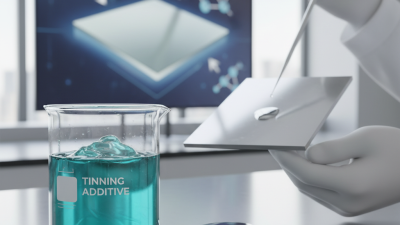
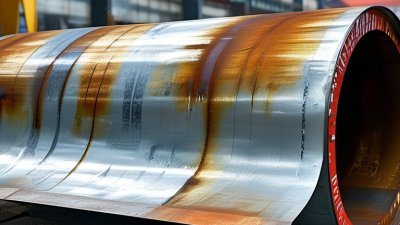
Copper anti-color agents reduce tarnishing on copper, brass, and copper-plated surfaces. Copper reacts with oxygen, moisture, sulfur compounds, and fingerprints. The surface then changes from bright orange to brown, black, or green. These agents usually contain azoles, organic acids, amines, or polymer-forming compounds. They adsorb onto copper and create a thin protective film. The film slows contact with air and corrosive contaminants.
The need is substantial. NACE’s IMPACT study estimated global corrosion costs at about $2.5 trillion annually, equal to nearly 3.4% of global GDP. Copper’s scale also matters. The USGS Mineral Commodity Summaries 2024 reported global mined copper production near 22 million metric tons in 2023. Even a small surface defect can affect large manufacturing volumes. In practical testing, suppliers should measure color change, humidity resistance, salt exposure, and film adhesion. Gloss alone is not enough.
Application conditions strongly influence performance. Cleaning quality, bath temperature, concentration, rinsing, and drying can change the result. A poorly prepared surface may discolor beneath a good inhibitor film. Laboratory shine can mislead. Real environments are harsher. Some formulations also affect solderability, electrical contact, or later coating adhesion. That trade-off deserves careful review. No anti-color agent works universally, and performance may remain uneven across complex parts. Reliable suppliers should provide test methods, safety data, batch consistency records, and clear limits for use.
Key Selection Criteria for Copper Anti-Color Agent Suppliers
Top Copper Anti Color Agent Suppliers Worldwide
Choosing a copper anti-color agent supplier requires more than comparing prices. The agent must match your copper grade, surface finish, storage conditions, and processing temperature. During trials, inspect panels after heating, humidity exposure, and several weeks of storage. A fresh sample can look excellent, yet fail in real packaging or warehouse conditions. Ask suppliers for technical data, safety documents, batch test results, and clear dosage guidance. Reliable suppliers explain limitations instead of promising perfect protection.
Tips: Request a small sample and test it on your actual copper parts. Check color change under strong light, not only by eye. Record dosage, mixing time, temperature, and surface preparation. Ask whether performance changes across batches. It often does slightly.
Supplier experience also matters. Look for teams that understand copper oxidation, coating compatibility, and production controls. Confirm their laboratory can support accelerated aging tests and investigate failed samples. Transparent traceability is valuable, especially when a shipment shows uneven color or surface marks. Delivery capacity, packaging quality, response time, and export documentation deserve equal attention. A technically strong supplier may still be unsuitable if communication is slow or supply is unstable. Independent testing can reduce risk, although it adds time and cost. No selection method is flawless. Practical evidence should carry more weight than polished claims.
Leading Global Supplier Categories and Regional Markets
Top Copper Anti Color Agent Suppliers Worldwide?
Leading Global Supplier Categories and Regional Markets
The global market for copper anti-color agents includes specialty chemical manufacturers, regional distributors, and custom formulators. Manufacturers usually provide stronger technical documentation and batch control. Distributors often offer faster delivery, smaller quantities, and local storage. Custom formulators can adjust performance for copper wire, sheets, heat exchangers, and decorative components.
Asia-Pacific remains a major supply and consumption center, supported by electronics, construction, and metal processing. European buyers often emphasize REACH documentation, traceability, and lower-impact formulations. North American customers commonly seek application testing, stable supply, and responsive technical service. In the Middle East, Africa, and Latin America, regional distributors can reduce shipping delays and simplify purchasing. Local conditions matter.
Samples help.
A reliable sourcing process should compare active content, recommended dosage, surface appearance, bath compatibility, and storage life. Ask for a current SDS, technical data sheet, certificate of analysis, and batch number system. Test the agent on the actual copper grade and production line, not only in a laboratory beaker. Humidity chambers and accelerated aging tests can reveal discoloration that appears after several weeks.
Price alone misleads. A cheaper product may require higher dosage or create cleaning problems. No supplier is perfect. Some documentation may look complete but lack production evidence. Buyers should question unclear claims and record trial results carefully. My practical view is simple: regional service, repeatable performance, and transparent testing usually matter more than impressive marketing language.
Quality, Safety, and Regulatory Standards for Evaluation
When evaluating top copper anti-color agent suppliers worldwide, quality starts with measurable performance, not attractive claims. Ask for batch-to-batch color stability, copper corrosion results, viscosity data, and accelerated aging records. ISO’s 2023 Survey reported more than 1.2 million ISO 9001 certificates worldwide. Certification helps, but it does not replace product testing. A qualified supplier should provide traceable batch numbers, retained samples, and clear technical specifications.
Safety requires deeper review. Request a current Safety Data Sheet aligned with the Globally Harmonized System. Check ingredient identity, exposure controls, transport classification, and disposal guidance. Regulatory evidence should match the destination market. The European Chemicals Agency’s REACH database offers registration and substance information for European supply chains. For electronics, buyers should also review restricted-substance declarations under applicable RoHS requirements. Documentation can look complete while critical impurities remain unclear. That is a real weakness.
Tips: Test three production batches, not one. Use copper panels with defined humidity, temperature, and contact time. Compare untreated controls beside treated samples. Ask suppliers to explain failed tests, not only successful ones. Independent laboratory confirmation is valuable when long-term color retention matters. ISO 17025 laboratory competence can strengthen the evidence. Still, test methods may differ between laboratories, so request the exact standard, instrument settings, and acceptance limits. A careful supplier will welcome these questions.
Top Copper Anti Color Agent Suppliers Worldwide? - Quality, Safety, and Regulatory Standards for Evaluation
Copper-related regulatory benchmarks can support supplier qualification by providing reference points for safety reviews, extractables or leachables testing, technical documentation, and product risk assessments. The values shown are drinking-water copper limits or guideline values and should not be interpreted as approval limits for anti-color agents.
Sources:
U.S. EPA,
World Health Organization,
European Union Directive 2020/2184.