Choosing a Zinc Iron Plating manufacturer requires more than comparing prices or browsing polished factory websites. Global buyers need evidence of process control, coating consistency, testing discipline, and practical export experience. A bright sample may look impressive under showroom lights. It may still fail after humidity, road salt, or repeated assembly.
Corrosion specialist Dr. Alec Groysman offers a useful principle: “A coating is only as reliable as the conditions it must survive.” This idea guides our selection of the Top 10 Zinc Iron Plating Manufacturers for Global Buyers. Each company should be assessed through measurable details, including zinc-iron alloy composition, coating thickness, trivalent passivation, salt-spray performance, adhesion, bath management, and hydrogen-embrittlement controls. Production capacity matters too. A supplier that handles ten prototype parts may struggle with 100,000 automotive brackets.
The strongest manufacturers usually provide inspection records, technical data sheets, sample testing, and clear communication about tolerances. They also understand regional expectations, including RoHS, REACH, customer-specific specifications, and responsible chemical handling. These points do not replace an independent audit. They create a better starting point.
No ranking is perfect. Supplier performance can change after ownership, equipment upgrades, or raw-material disruptions. Buyers should verify current certifications and request recent test reports before placing a major order. That step feels slow. It often prevents expensive rework, delayed shipments, and rejected components.
This guide compares established producers using practical purchasing criteria. It is designed for engineers, sourcing teams, and distributors who need dependable Zinc Iron Plating partnerships across international markets.
Zinc-Iron Plating: Definition, Process, and Industrial Applications
Zinc-iron plating deposits a zinc alloy containing controlled iron levels onto steel. The coating protects against corrosion through barrier protection and sacrificial action. Unlike ordinary zinc plating, it can provide stronger heat resistance and improved paint adhesion. The iron content matters. Too little may reduce performance, while too much can create a brittle, uneven deposit.
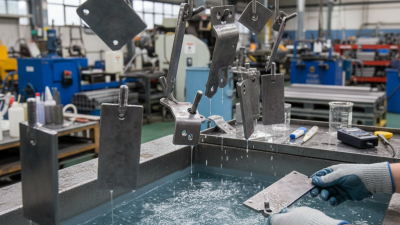
The process usually includes alkaline cleaning, acid activation, electroplating, rinsing, and post-treatment. Operators control current density, bath temperature, pH, and alloy composition. A thin conversion layer often follows plating, improving corrosion resistance. ASTM and ISO specifications help buyers compare coating thickness, adhesion, and salt-spray results. Still, salt spray is not real-world weather. That limitation deserves attention.
Demand remains tied to steel consumption and corrosion control. The World Steel Association reported approximately 1.89 billion metric tons of crude steel production in 2023. This creates a large potential surface-protection market. The USGS Mineral Commodity Summaries 2024 recorded about 12.3 million metric tons of global zinc mine production in 2023. Zinc supply affects coating economics, especially for high-volume automotive and construction parts. Common applications include brake components, fasteners, hydraulic fittings, and under-hood assemblies. Buyers should verify coating thickness, hydrogen-relief procedures, dimensional tolerance, and test methods. Performance claims without these details are incomplete.
Anonymous capability comparison based on common zinc-iron electroplating technologies, process ranges, buyer requirements, and industrial applications.
| Profile | Typical Production Focus | Zinc-Iron Alloy Type | Typical Iron Content | Common Coating Thickness | Post-Treatment Options | Suitable Substrates | Typical Applications | Buyer Verification Points |
|---|---|---|---|---|---|---|---|---|
| Profile 01 | High-volume rack plating | Alkaline zinc-iron | 0.3–1.0% | 8–15 µm | Trivalent passivation; sealers | Low-carbon steel; high-strength steel with hydrogen controls | Automotive brackets, stamped hardware, fasteners | Bath control, thickness mapping, hydrogen-relief procedure |
| Profile 02 | Complex-part barrel plating | Alkaline zinc-iron | 0.2–0.8% | 5–12 µm | Clear, black, or colored trivalent conversion coating | Carbon steel; small iron components | Clips, pins, washers, small stamped parts | Part-to-part contact, barrel loading, edge coverage |
| Profile 03 | High-strength fastener finishing | Controlled-alloy zinc-iron | 0.4–1.2% | 8–12 µm | Trivalent passivation; torque-tension topcoat | Hardened carbon and alloy steel | Bolts, screws, nuts, threaded components | Baking requirements, hydrogen embrittlement controls, friction testing |
| Profile 04 | Automotive corrosion-protection systems | Zinc-iron with conversion coating | 0.5–1.5% | 8–20 µm | Trivalent passivation; organic or inorganic sealer | Automotive-grade steel components | Chassis hardware, brackets, latches, underbody parts | Cyclic corrosion testing, appearance, coating adhesion |
| Profile 05 | Electrical and appliance components | Thin zinc-iron alloy coating | 0.2–0.7% | 5–10 µm | Clear passivation; low-resistance sealers where specified | Cold-rolled steel; formed sheet steel | Housings, clips, mounting plates, appliance hardware | Electrical continuity, dimensional tolerance, surface cleanliness |
| Profile 06 | Heavy-duty industrial plating | Higher-build zinc-iron | 0.5–1.5% | 12–25 µm | Passivation; heavy-duty sealer or topcoat | Steel machinery parts and fabricated components | Industrial equipment, agricultural machinery, enclosures | Racking capacity, solution filtration, wastewater compliance |
| Profile 07 | Decorative and appearance-critical finishing | Uniform zinc-iron alloy coating | 0.2–0.8% | 5–12 µm | Bright or black trivalent passivation; lacquer | Precisely formed steel parts | Consumer hardware, visible brackets, control components | Color consistency, gloss, surface defect inspection |
| Profile 08 | Low-temperature process capability | Alkaline zinc-iron process | 0.3–1.0% | 6–15 µm | Trivalent passivation; compatible sealers | Heat-sensitive steel assemblies and precision parts | Precision mechanisms, formed assemblies, sensitive hardware | Process temperature, dimensional change, masking accuracy |
| Profile 09 | Export-oriented compliance production | Zinc-iron alloy with documented controls | 0.3–1.2% | 8–20 µm | Trivalent passivation; sealers; topcoats | Carbon steel and alloy steel components | Industrial, automotive, construction, and general hardware | ISO 4042 or ISO 19598 alignment, traceability, inspection reports |
| Profile 10 | Custom-engineered plating programs | Application-specific zinc-iron formulation | 0.2–1.5% | 5–25 µm | Passivation, sealers, organic topcoats, masking | Steel parts with complex geometry or special requirements | Prototype parts, specialty machinery, engineered assemblies | Pilot validation, PPAP or equivalent documentation, capability studies |
Technical Notes
Top 10 Zinc Iron Plating Manufacturers for Global Buyers
How to Evaluate Zinc-Iron Plating Manufacturers Worldwide
Choosing among the top zinc-iron plating manufacturers requires more than comparing prices. Start with coating performance, process control, and documented production experience. Ask for recent test reports covering coating thickness, adhesion, corrosion resistance, and appearance. A reliable supplier should explain its alloy percentage, bath control methods, and curing process in clear technical language.
Request samples made from the same steel grade as your parts. Inspect edges, threads, recesses, and contact surfaces under consistent lighting. A coating may look excellent on a flat panel but fail inside a narrow hole. Check whether the manufacturer controls thickness across complex shapes. Review salt-spray results, dimensional measurements, and batch traceability. The report should identify test methods, dates, and responsible personnel.
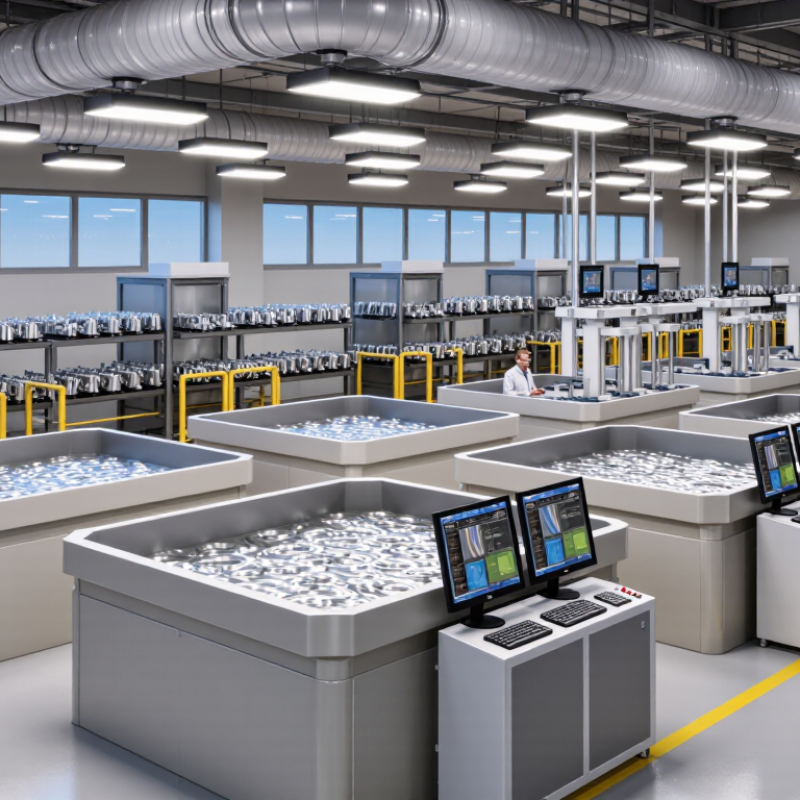
Factory capability matters too. Evaluate pretreatment equipment, cleaning stages, inspection tools, and production capacity during peak periods. Ask how rejected parts are isolated and how corrective actions are recorded. Environmental permits and wastewater controls should be current and verifiable. Export experience also affects packaging, documentation, and delivery reliability.
Do not trust polished presentations alone. They can hide weak process discipline. A small trial order can reveal more than a long sales call. Compare response speed, technical accuracy, sample consistency, and willingness to discuss limitations. Some manufacturers may promise every specification, yet their actual process cannot support tight tolerances. That gap deserves careful attention.
Choosing among the top 10 zinc-iron plating manufacturers requires more than comparing price lists. Global buyers should examine coating thickness, alloy ratio, production capacity, and process control. Zinc-iron coatings commonly contain a controlled iron percentage, often between 8% and 20%. This balance affects corrosion resistance, appearance, and post-treatment performance.
Look for manufacturers with documented quality systems, traceable bath analysis, and consistent inspection records. Reliable facilities measure coating thickness with X-ray fluorescence and test adhesion after forming or fastening. Trivalent passivation, sealants, and controlled baking can improve protection for automotive and industrial components. Ask for recent salt-spray results, but read them carefully. Test hours alone do not represent field performance.
Practical experience matters. A capable supplier should explain rack marks, edge coverage, hydrogen-embrittlement controls, and dimensional changes. They should also provide samples from the actual production line, not only polished laboratory panels. Environmental documentation, chemical handling procedures, and export compliance deserve equal attention. A high corrosion-resistance number can still mislead when testing conditions differ from service conditions. No manufacturer is perfect. Some communication gaps may appear during tooling changes or urgent orders. Buyers should record these risks and use a small validation batch before long-term purchasing. Clear drawings, agreed inspection points, and regular production feedback usually prevent expensive surprises.
Selecting among the top zinc iron plating manufacturers requires more than comparing quotations. Coating quality should be measured through thickness consistency, alloy content, adhesion, and corrosion resistance. Ask for salt spray results, such as 240 or 720 hours, and inspect sample parts near edges and threads. A reliable manufacturer can explain rack and barrel processes clearly. Small details matter.
Technology also affects repeatability. Automated dosing, inline thickness testing, and controlled curing reduce variation across large batches. Capacity should match your order pattern, not only the factory’s advertised monthly volume. Check equipment records, production lead times, and backup lines. A supplier with strong experience should provide process data without vague promises. Still, no facility is perfect. Even experienced teams can miss a difficult geometry or understate rework risks.
Tips: Request recent inspection reports, not old certificates. Verify ISO 9001, IATF 16949, RoHS, REACH, and applicable plating standards within their current scope. Confirm hydrogen embrittlement relief for high-strength steel parts. Visit the production floor when possible. Look for clean tanks, labeled chemicals, calibrated gauges, and traceable batch records. I would also test one pilot lot before approving annual volumes. That extra step costs time, but it can reveal uneven color, weak adhesion, or delayed corrosion that paperwork cannot show.
Choosing a zinc-iron plating supplier requires more than comparing price. The NACE IMPACT study estimated annual global corrosion losses at US$2.5 trillion, about 3.4% of global GDP. That figure makes process control a purchasing issue, not merely a finishing detail. Ask for coating thickness records, alloy percentage, hydrogen-embrittlement controls, and lot traceability. Request samples from your actual steel grade. A supplier should explain bath chemistry, current density, rinsing, and curing controls. Vague answers deserve caution.
In a practical audit, a bright panel can look excellent while recessed threads remain thin. That is an easy mistake. Measure production parts, not only flat coupons. Confirm adhesion, torque-tension behavior, color stability, and post-plating bake records. ISO 4042 provides guidance for fastener coatings, while ASTM B841 covers zinc-alloy electrodeposited coatings. These references create a common technical language, although no checklist is perfect. A supplier may meet every specification and still miss your assembly reality.
Tips: Compare three recent batches, inspect cross-sections, and verify independent laboratory results. Do not accept one perfect test panel. Salt-spray hours help, but they cannot predict every field environment. Humidity, road salt, and trapped water may expose weaknesses sooner. Ask for corrective-action records. Suppliers willing to show failures may be more reliable than those showing only polished samples. Pricing still matters. However, the cheapest quotation can hide rework, rejected fasteners, or premature corrosion.
This neutral 100-point buyer scorecard ranks the most important supplier-selection criteria for zinc-iron plating projects. Quality consistency, corrosion-performance validation, process capability, and compliance receive the highest weighting because they directly influence part durability, production reliability, and global market access. The chart contains no company or brand performance data.