Zinc Nickel Alloy Best Applications and Benefits for Buyers?
Zinc Nickel alloy is gaining significant attention in various industries due to its impressive properties and versatility. According to a market report by Research and Markets, the demand for advanced coatings, including Zinc Nickel, is expected to grow annually by 5.8% over the next five years. This reflects a broader shift towards high-performance materials that offer enhanced corrosion resistance and mechanical strength.
The automotive and aerospace sectors particularly benefit from Zinc Nickel alloy. These industries require robust solutions for components exposed to harsh environments. Zinc Nickel offers exceptional protection against corrosion while maintaining an aesthetically pleasing finish. Furthermore, it can significantly improve the lifespan of components, reducing replacement costs and contributing to sustainability efforts. However, it’s essential for buyers to assess the specific needs of their applications to reap these benefits fully.
Despite its advantages, some challenges exist. The application process can be complex, requiring expertise to achieve optimal results. Buyers should seek suppliers with a solid track record in Zinc Nickel alloy coatings to ensure quality and compliance with industry standards. This careful selection process can help mitigate potential pitfalls and lead to more reliable outcomes. With the right approach, Zinc Nickel alloy can be a game-changer for many buyers.

Best Applications of Zinc Nickel Alloy in Various Industries
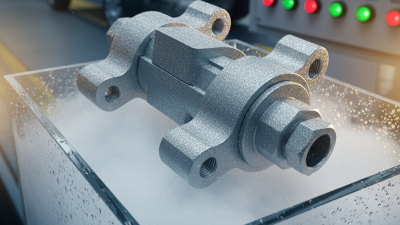
Zinc nickel alloy is a remarkable material favored across various industries for its exceptional properties. One industry that benefits significantly is automotive manufacturing. In this sector, the alloy is used for plating components exposed to harsh environments. Its corrosion resistance extends the lifespan of parts, which reduces replacement costs.
Another prominent application is in aerospace. Here, zinc nickel alloy is utilized for components that require high strength and resistance to wear and corrosion. This makes the alloy ideal for landing gears and other critical components. Its combination of lightweight and durability increases safety in flight operations.
However, not all applications yield perfect outcomes. In some cases, the alloy may suffer from brittleness when subjected to extreme conditions. This could impact performance. Manufacturers must carefully consider the specific needs of each project. Understanding the inherent weaknesses is crucial. Balancing benefits and potential drawbacks allows for more informed decisions in material selection.
Key Benefits of Zinc Nickel Alloy for Buyers and Manufacturers
Zinc nickel alloy is a remarkable material that offers several key benefits for both buyers and manufacturers. One of the standout features is its excellent corrosion resistance. This makes it ideal for applications in harsh environments, such as automotive and marine industries. The alloy can significantly extend the lifespan of components, reducing maintenance costs over time.
Another advantage is its superior wear resistance, which is crucial for parts subjected to friction. In manufacturing, this translates to less downtime and enhanced productivity. Furthermore, zinc nickel enhances the adhesion of coatings, ensuring a robust surface layer that can withstand rigorous use. These qualities make it a favorite choice in many sectors.
**Tip:** When selecting zinc nickel alloy, consider the specific environmental factors it will face. Understanding these conditions is key to maximizing performance.
Innovative applications are emerging as manufacturers recognize zinc nickel's benefits. However, it's not a one-size-fits-all solution. Some industries may find alternatives more suited to their unique challenges. Reflecting on these dynamics can lead to more informed decisions, ensuring that the chosen material aligns with project requirements.
**Tip:** Always evaluate how the alloy interacts with other materials in your project. Compatibility can impact overall effectiveness and durability.
Comparative Analysis: Zinc Nickel Alloy vs. Other Alloys
Zinc nickel alloy has gained attention in various applications due to its unique properties. Its corrosion resistance is significantly superior compared to other coatings. According to the International Society of Automotive Engineers, zinc nickel offers a corrosion resistance rate of up to 1,000 hours in salt spray tests. This makes it an ideal choice for automotive and aerospace industries where durability is crucial.
When compared to traditional zinc coatings, zinc nickel holds a distinct advantage. Studies have shown that the addition of nickel enhances hardness and wear resistance. While standard zinc plating provides basic protection, zinc nickel alloys maintain integrity even under adverse conditions. This is particularly evident in marine sectors where metal components face extreme exposure to saltwater.
Despite these advantages, it’s important to acknowledge some challenges. Cost considerations may hinder widespread adoption in specific applications. The initial investment could be higher for buyers. Moreover, the manufacturing process requires careful control to ensure optimal properties. Buyers must weigh these factors against potential long-term benefits. Understanding the complexities of zinc nickel alloys enhances decision-making for various industries.
Understanding the Corrosion Resistance of Zinc Nickel Alloy
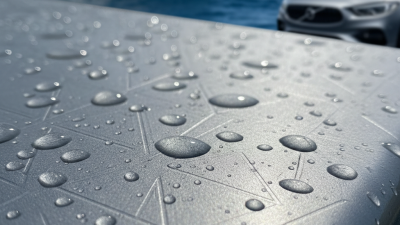
Zinc nickel alloy is renowned for its impressive corrosion resistance. This property comes from its unique composition, which enhances its protective qualities against environmental factors. When applied as a coating, it creates a barrier that prevents rust and deterioration. This makes it ideal for industries like automotive and aerospace, where components face harsh conditions.
Understanding how zinc nickel works is crucial for buyers. It forms a dense layer that adheres well to various substrates. This layer not only protects metals but also improves wear resistance. Users often find that parts coated with this alloy last longer, reducing maintenance costs. However, the initial investment can be higher compared to other coatings.
Buyers should consider their specific needs. While zinc nickel offers excellent benefits, it may not be the best fit for every application. The effectiveness can vary based on environmental exposure and application methods. Conducting thorough research on environmental conditions and expected lifespan is necessary. This helps ensure optimal performance and long-term value.
Factors to Consider When Purchasing Zinc Nickel Alloy Products
When buying zinc nickel alloy products, several factors demand attention. The alloy's corrosion resistance is a significant aspect. This property is crucial for applications in harsh environments. It helps ensure longevity and reduces maintenance costs for buyers.
The thickness of the coating also matters. Thicker coatings typically offer better protection. However, they may alter the product’s appearance. Buyers should balance durability and aesthetics accordingly. It’s important to consider the application environment. Different industries might require specific alloy compositions.
Moreover, potential suppliers should be evaluated for reliability. A credible supplier offers quality assurance and post-sale support. Buyers may need to request certifications to guarantee product standards. Understanding the alloy’s mechanical properties is essential too. This knowledge aids in ensuring the right fit for the intended application.