Leave Your Message

Top 10 Benefits of Zinc Nickel Alloy for Global Buyers?

Zinc Nickel alloy has become a significant player in the global marketplace. This unique material combines the excellent corrosion resistance of zinc with the protective properties of nickel. According to a recent report from the Materials Research Institute, the use of Zinc Nickel alloy has increased by over 25% in automotive applications alone in the past three years. This rise showcases its importance in various industries, particularly where durability is paramount.

Expert in materials science, Dr. Emily Hart, states, "Zinc Nickel alloy offers a reliable solution for high-stress applications." The alloy's versatility makes it ideal for components requiring strength and longevity. Industries such as aerospace, automotive, and construction benefit greatly from its use. However, buyers must understand the nuances of production and application. Some may face challenges in sourcing high-quality Zinc Nickel alloy, leading to reflections on supply chain reliability.

As global buyers seek sustainable and cost-effective materials, Zinc Nickel alloy stands out as a compelling choice. The growing demand reflects not only its physical attributes but also its potential for innovation in new applications. In a landscape of evolving materials, it is essential to consider both the benefits and the complexities involved in using Zinc Nickel alloy.

Top 10 Benefits of Zinc Nickel Alloy for Global Buyers?

Overview of Zinc Nickel Alloy and Its Composition

Top 10 Benefits of Zinc Nickel Alloy for Global Buyers?

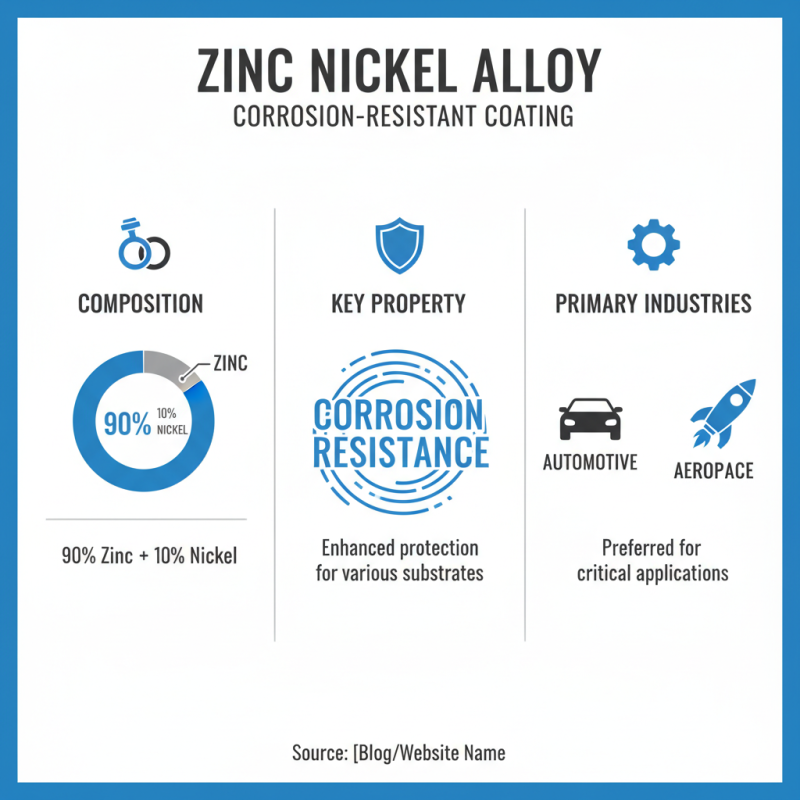
Zinc nickel alloy is a unique blend of zinc and nickel, widely recognized for its corrosion-resistant properties. This alloy typically comprises 90% zinc and 10% nickel. The combination offers enhanced protection for various substrates, making it a preferred choice in industries like automotive and aerospace.

The high nickel content improves the hardness of the alloy. This means parts made from zinc nickel are less likely to wear down over time. Furthermore, this alloy can withstand harsh environments. As a result, it is suitable for applications where frequent exposure to moisture occurs.

Tip: When choosing zinc nickel alloy, consider the specific environmental conditions. This can help ensure optimal performance and longevity.

Zinc nickel is often used in plating processes. However, achieving a uniform layer can sometimes be a challenge. Factors like temperature and pH balance can impact the quality of the coat. Hence, proper monitoring during application is essential.

Tip: Regular quality checks during production can prevent common issues related to alloy coatings. This attention to detail is crucial for maintaining standards. With experience, understanding the nuances of the alloy becomes vital for buyers looking for reliable materials.
Corrosion Resistance Properties of Zinc Nickel Alloy

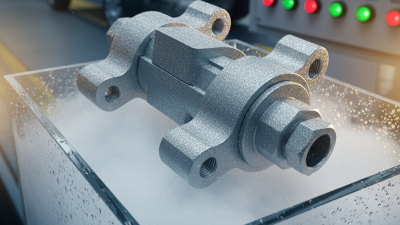
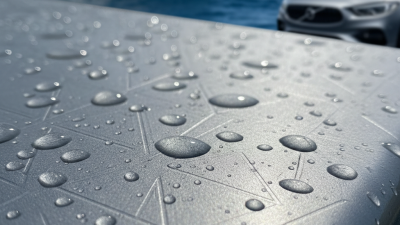
Zinc nickel alloy offers remarkable corrosion resistance properties, making it a popular choice across various industries. This alloy features a unique composition that enhances its durability against harsh environments. Whether exposed to moisture, salt, or harsh chemicals, zinc nickel maintains its integrity better than many traditional coatings. It can withstand conditions that would otherwise degrade other metals.

The effectiveness of zinc nickel lies in its ability to form a protective layer. This active layer forms when the alloy is exposed to corrosive elements, creating a barrier against oxidation. As a result, it significantly extends the lifespan of components used in automotive, aerospace, and marine applications. Users often report a noticeable reduction in maintenance costs due to the alloy's resilience.

While zinc nickel displays excellent corrosion resistance, it's essential to note that improper application can lead to failures. Coating thickness and surface preparation play critical roles in effectiveness. Therefore, expertise in the application process is crucial. Buyers should seek informed suppliers to ensure quality outcomes. Understanding these nuances can help in leveraging the full benefits of this alloy.

Mechanical Strength and Durability Benefits of Zinc Nickel Alloy

Zinc nickel alloy offers remarkable mechanical strength and durability. This metal is more resistant to corrosion than many traditional materials. This feature is crucial for industries exposed to harsh environments. For instance, components in automotive or aerospace applications benefit significantly from this alloy's protective qualities.

In addition to corrosion resistance, zinc nickel alloy provides a high tensile strength. This means parts can withstand heavy loads without deforming. Such durability leads to longer lifespans for the products made from it. While some buyers may question the cost, the long-term savings from fewer replacements can be substantial.

However, not all zinc nickel alloys are created equal. Variations in composition can affect performance. Buyers must research specific requirements for their applications. Understanding the exact needs—like temperature and exposure levels—will help in making informed choices. This nuanced approach is essential for leveraging the full potential of zinc nickel alloy.

Top 10 Benefits of Zinc Nickel Alloy

Cost-Effectiveness in Manufacturing and Maintenance

Cost-effectiveness plays a crucial role in the manufacturing and maintenance of zinc nickel alloys. This material offers a superior balance between durability and affordability. A report from the International Journal of Materials Science notes that the initial cost savings can reach up to 20% compared to traditional plating materials. This makes zinc nickel a favorable choice for budget-conscious manufacturing sectors.

Moreover, zinc nickel exhibits excellent corrosion resistance, reducing maintenance needs. According to a study by the Corrosion Prevention Association, components coated with zinc nickel last up to four times longer than those coated with standard zinc. This longevity leads to a significant decrease in replacement costs and labor over time, reinforcing its cost-effectiveness in manufacturing processes.

While zinc nickel offers numerous benefits, it is not without challenges. The precise application process can require specialized skills, potentially increasing labor costs initially. Additionally, some industries may face a learning curve in adopting this newer technology. Despite these considerations, many find that the long-term savings and enhanced performance justify the investment. As manufacturers navigate these complexities, the advantages of zinc nickel alloys may continue to rise.

Top 10 Benefits of Zinc Nickel Alloy for Global Buyers

Benefit Description Impact on Cost-Effectiveness
Corrosion Resistance Zinc nickel alloy offers excellent protection against corrosion, extending the lifespan of components. Reduces maintenance and replacement costs over time.
High Hardness The alloy's high hardness enhances wear resistance. Lowers the frequency of repairs and replacements.
Cost Efficiency Zinc nickel is more cost-effective than other protective coatings. Minimizes overall production costs.
Improved Adhesion Provides better adhesion for paints and other coatings. Enhances the durability of finished goods.
Environmentally Friendly Contains less harmful substances compared to traditional coatings. Reduces compliance costs with environmental regulations.
Versatile Applications Suitable for a wide range of applications including automotive and aerospace. Flexibility in manufacturing lowers overall costs.
Enhanced Appearance Provides a visually appealing finish. Potentially increases market value of products.
Thermal Stability Maintains performance in high-temperature environments. Reduces failure rates in extreme conditions.
Reduced Friction Lower friction levels on moving parts. Increases efficiency and decreases energy costs.
Automation Compatibility Can be easily integrated into automated manufacturing processes. Lowers labor costs and enhances production speed.

Sustainability and Environmental Advantages of Zinc Nickel Alloy

Top 10 Benefits of Zinc Nickel Alloy for Global Buyers?

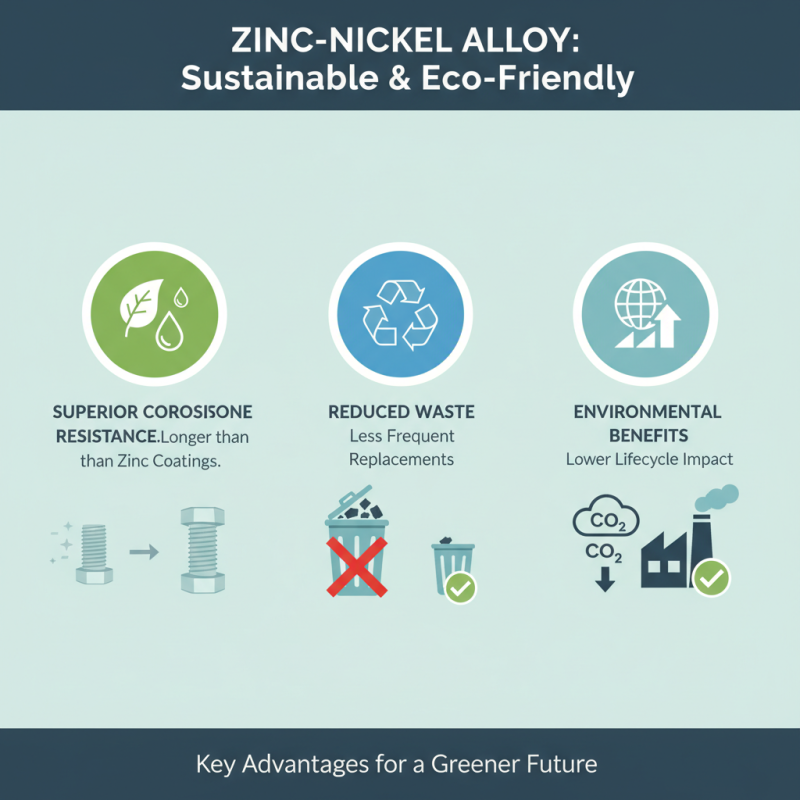
Zinc nickel alloy stands out for its sustainability and environmental benefits. It is known for its exceptional resistance to corrosion, making it ideal for various applications. Reports indicate that components coated with zinc nickel can last up to three times longer than traditional zinc coatings. This extended lifespan reduces the need for frequent replacements, leading to less waste.

Many industries are moving towards eco-friendly solutions. Zinc nickel alloy is a valuable option because it is more easily recyclable than other coatings. This recyclable nature contributes to lower carbon emissions during the production process. Studies show that using zinc nickel can decrease energy consumption by up to 25% compared to conventional materials.

**Tip:** When exploring eco-friendly materials, prioritize durability and recyclability. This approach not only minimizes environmental impact but also enhances long-term performance.

Another critical advantage is reduced toxic waste production. Zinc nickel-based coatings typically generate less hazardous waste than other metal treatments. By investing in such sustainable materials, companies can meet regulatory standards more effortlessly. According to industry analyses, using zinc nickel can help reduce compliance costs significantly.

**Tip:** Keep informed about new developments in alloy technologies. This knowledge helps you make sound decisions for your procurement strategies. Embracing innovative materials is essential in today’s sustainable landscape.