Top Benefits of Zinc Nickel Alloy in Industrial Applications
Zinc Nickel alloy is gaining traction in industrial applications due to its impressive properties. According to a 2022 report by the International Journal of Industrial Coatings, the demand for this alloy has surged by 15% in the automotive sector alone. The unique combination of corrosion resistance and durability makes it a preferred choice for manufacturers.
This alloy offers up to 1,000 hours of salt spray resistance, significantly outpacing traditional zinc coatings. However, some industries still hesitate to fully adopt Zinc Nickel alloy. Concerns about costs and availability linger, creating a need for more awareness.
Despite its advantages, the production of Zinc Nickel alloy poses challenges. Sources indicate that consistent quality control remains an issue. As industries strive for sustainability, enhancing the alloy's supply chain is crucial. Balancing these facets will be key to maximizing its benefits in various applications.
Overview of Zinc Nickel Alloy Properties in Industrial Applications
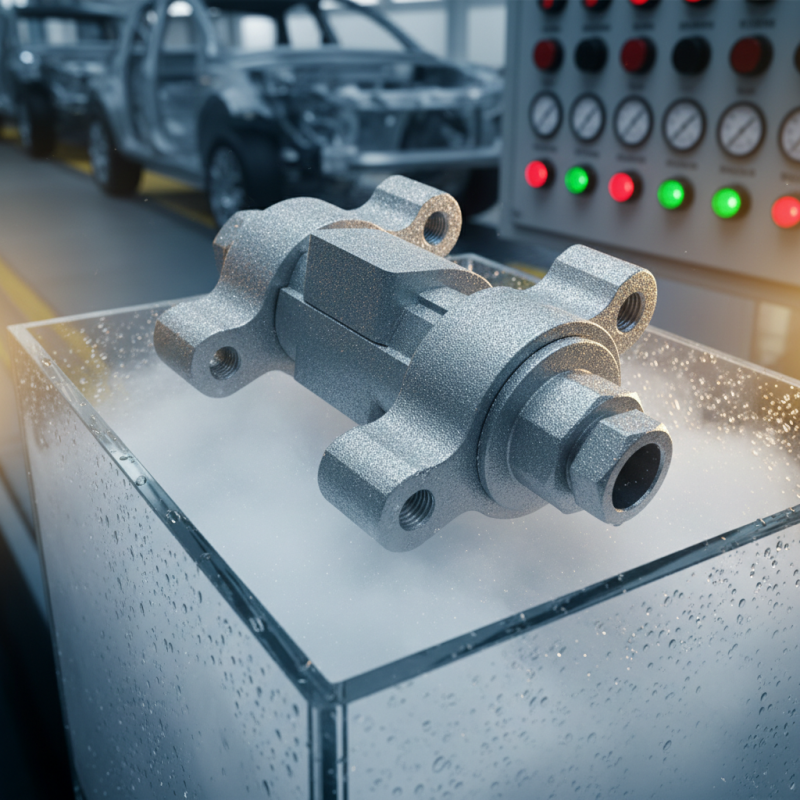
Zinc nickel alloy is increasingly favored in industrial applications, primarily due to its superior corrosion resistance. Studies indicate that this alloy exhibits a remarkable resistance to various corrosive environments. For instance, tests show that zinc nickel can withstand over 1,000 hours in salt spray, which is twice that of traditional zinc coatings. This durability is essential for industries where metal components face harsh conditions.
The alloy primarily consists of zinc and nickel, typically in a 90-10 ratio. This combination enhances mechanical properties, offering increased strength and wear resistance. Reports indicate that zinc nickel can improve tensile strength by nearly 30% compared to standard zinc coatings. Such enhancements are crucial for applications in the automotive, aerospace, and marine sectors, where structural integrity is paramount.
However, achieving the balance between corrosion resistance and mechanical strength can be challenging. Some applications may demand adjustments in the alloy’s composition to meet specific performance needs. Additionally, the electroplating process for zinc nickel requires precise control of parameters to ensure optimal coating quality. Variations in the plating process can lead to inconsistencies, posing a risk to component longevity. Each development step in utilizing zinc nickel should be carefully evaluated, recognizing the complexities involved in this versatile alloy.
Corrosion Resistance: Zinc Nickel Alloy Performance in Harsh Environments
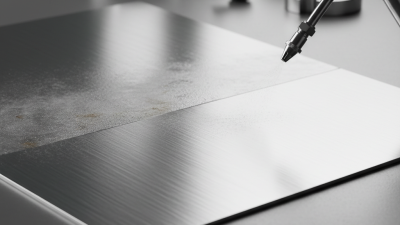
Zinc nickel alloy is gaining traction in various industrial sectors. Its corrosion resistance is a key feature. This alloy withstands harsh environments, outperforming traditional finishes. In a recent study, zinc nickel showed a corrosion resistance of over over 1000 hours in salt spray tests. This makes it ideal for marine and automotive applications where exposure to moisture and salt is common.
When discussing performance, it's essential to consider the surface treatment process. Zinc nickel can be applied through electroplating, providing a uniform coating. However, factors like temperature and deposition time need careful control. If not monitored, thickness may vary, leading to inconsistent protection.
Tips: Ensure the substrate preparation is adequate for optimal adhesion. Regular quality checks can prevent potential failure points. Remember, while zinc nickel offers robust protection, it may need periodic maintenance, depending on the environment.
Cost-Effectiveness of Zinc Nickel Coatings Compared to Other Alloys
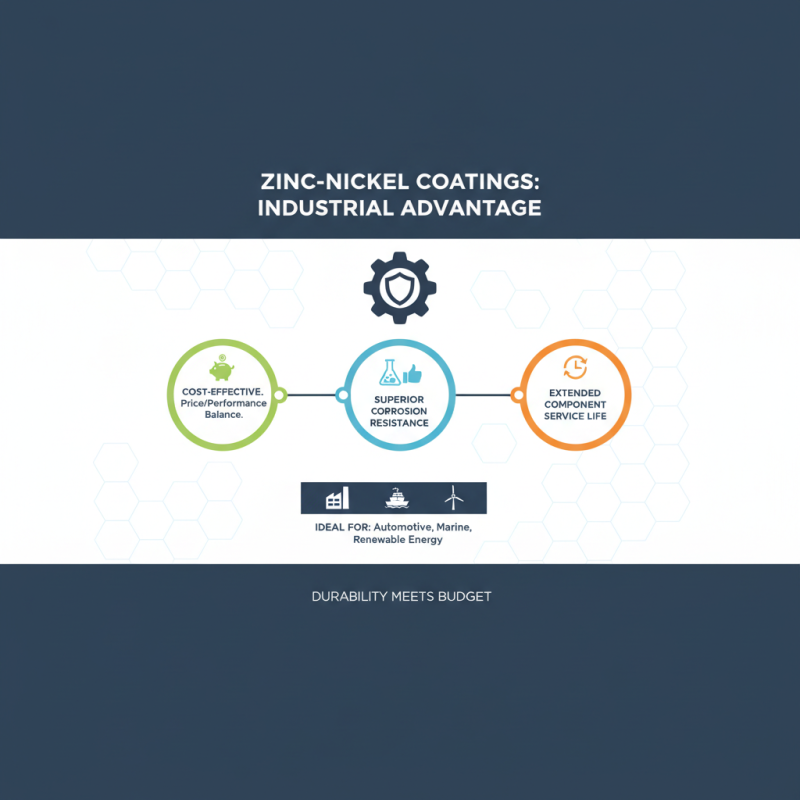
Zinc nickel coatings are gaining attention in industrial applications due to their cost-effectiveness. Compared to traditional materials, they provide an excellent balance between price and performance. Many industries face budget constraints, making zinc nickel a prime choice. These coatings offer good corrosion resistance, extending the service life of components. This is crucial for sectors where durability is key.
The application process for zinc nickel is relatively straightforward. This can reduce labor costs, which is a significant advantage. However, some users still hesitate. They wonder about the long-term performance of the alloy. Can it truly match other high-end options? In reality, the performance often meets expectations, but the perception might differ. Under various environmental conditions, zinc nickel stands strong, yet some coatings still show wear over time.
Moreover, maintenance costs can be lower with zinc nickel coatings. This is important for industries looking to minimize ongoing expenses. While the initial cost may be slightly higher than basic coatings, the longevity can justify that expense. Users must weigh these factors carefully. Understanding the true value of zinc nickel requires reflection on specific needs and applications.
Applications of Zinc Nickel Alloys in Automotive and Aerospace Industries
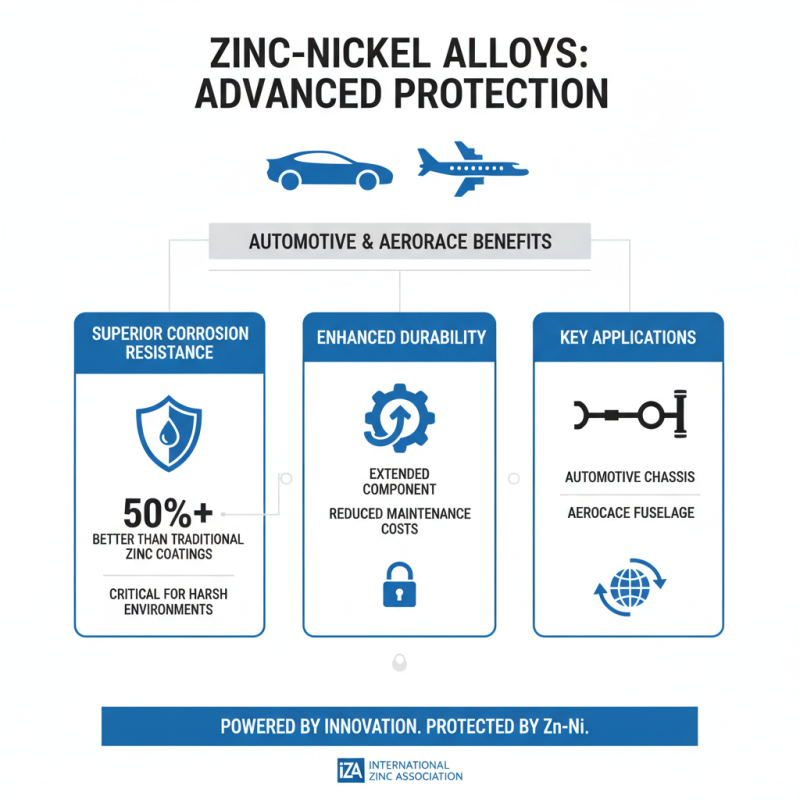
Zinc nickel alloys are gaining traction in the automotive and aerospace industries due to their unique properties. Research from the International Zinc Association indicates that zinc nickel coatings can provide up to 50% better corrosion resistance than traditional zinc coatings. This enhanced protection is critical for components exposed to harsh environments, such as automotive chassis and aerospace fuselage.
In the automotive sector, manufacturers are increasingly turning to zinc nickel alloys for their durability. A study by the Society of Automotive Engineers shows these alloys allow for lighter designs without compromising strength. They can withstand high temperatures and mechanical stress. However, some engineers note that achieving optimal coating thickness can be a challenge. Inadequate coating may lead to premature failure, necessitating careful quality control measures.
Aerospace applications also benefit significantly. Zinc nickel alloys meet stringent standards such as Mil-DTL-38999. These alloys are vital for components that face extreme conditions. Yet, there are struggles with processing. Surface preparation for alloy coatings requires precision, which not all facilities can offer. Addressing these shortcomings is essential for future advancements in the field.
Future Trends in Zinc Nickel Alloy Utilization for Industrial Coatings
The use of zinc nickel alloy in industrial coatings is gaining momentum. This alloy boasts excellent corrosion resistance. It is a preferred choice for various applications. Industries are increasingly recognizing its advantages.
Future trends indicate a shift toward more sustainable practices. Manufacturers are exploring eco-friendly processes for applying zinc nickel coatings. This could reduce environmental impact significantly. However, challenges remain in balancing cost and sustainability.
Adoption rates may vary across different sectors. Some industries may lag due to lack of awareness. Education and outreach can improve understanding of zinc nickel's benefits. Innovations in alloy formulations are also expected to emerge. More research may uncover even greater efficacy. The path ahead is promising but requires commitment to continuous improvement.
Top Benefits of Zinc-Nickel Alloy in Industrial Applications
This chart illustrates the various benefits of utilizing zinc-nickel alloy for industrial coatings, highlighting factors such as corrosion resistance, wear resistance, and cost-effectiveness. The data reflects industry trends and the growing preference for using zinc-nickel alloys across different applications.