Zinc Iron Plating is a significant technique in surface treatment. It enhances the corrosion resistance of steel parts. This process involves a unique combination of zinc and iron. The result is a durable protective layer that withstands harsh environments.
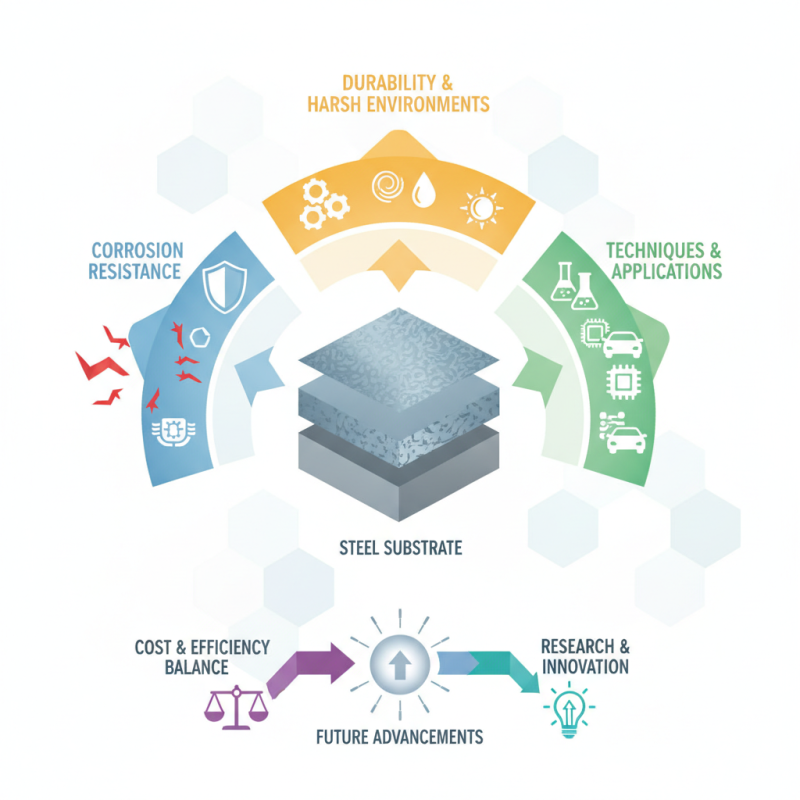
In China, various methods for Zinc Iron Plating are widely practiced. These methods vary in technique and application. Industries often seek the best techniques for their specific needs. Quality and reliability are essential in this field. Many manufacturers strive for improvements but face challenges. The balance between cost and efficiency can be difficult to achieve.
Understanding the nuances of Zinc Iron Plating can lead to better outcomes. Each application requires careful consideration of the techniques. This reflection is critical for future advancements. Continued research and development will drive innovation. As industries evolve, so must the techniques used.
Zinc iron plating has gained attention for its corrosion resistance and strong adhesion. This technique combines zinc and iron to create a durable coating. According to industry reports, zinc iron plating increases lifespan by up to 50% compared to traditional galvanizing methods. This might be due to its unique microstructure, offering superior protection.
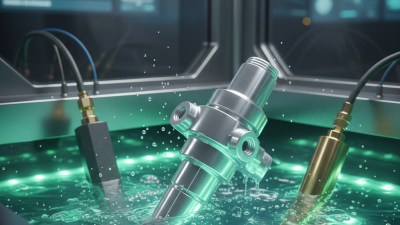
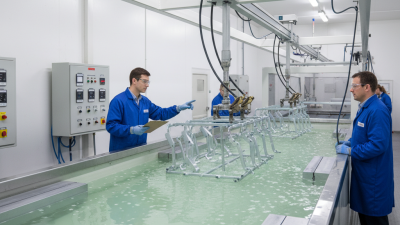
The process generally involves electroplating, where metal ions are deposited onto a substrate. This method allows for precise control over the coating thickness. Studies suggest that optimal thickness falls between 5-25 microns for effective protection. However, achieving uniform coating can be challenging, particularly on complex geometries. Variability in application may lead to weak spots that compromise integrity.
Applications vary widely, from automotive components to construction equipment. The versatility of zinc iron plating means it fits many sectors. Yet, the industry is still exploring how to enhance its performance further. Continuous improvement in methods and technologies is essential. Addressing the inconsistencies in coating processes will be vital for future developments.
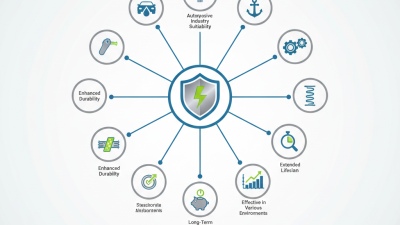
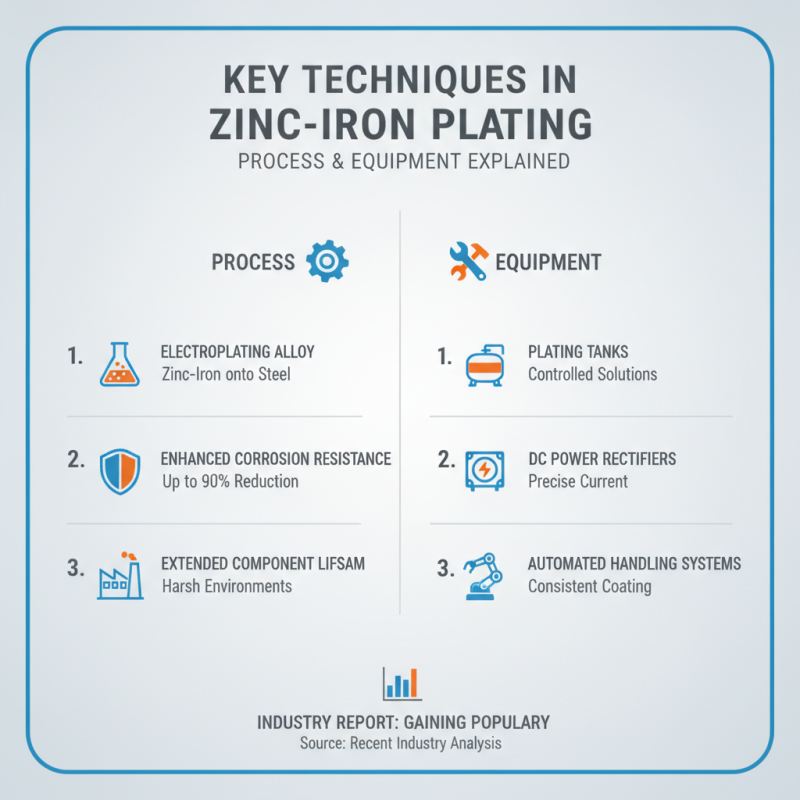
Zinc iron plating is gaining popularity in various industries due to its excellent corrosion resistance. The process typically involves electroplating a zinc-iron alloy onto steel substrates. According to a recent industry report, this method can significantly enhance the lifespan of components exposed to harsh environments, with a corrosion rate reduction of up to 90%.
Key techniques in this plating process include surface preparation, deposition techniques, and post-treatment options. Surface preparation, such as cleaning and chemical etching, is critical for ensuring adhesion. The deposition can be achieved through electroplating or hot-dip galvanizing, each having distinct advantages. Equipment like rectifiers and anodes must be monitored closely to ensure optimal results.
However, challenges remain. Consistency in coating thickness can vary due to equipment calibration issues. Studies indicate that improper parameters can lead to uneven plating, affecting overall performance. Additionally, the application of coatings can sometimes cause embrittlement in the substrate material, necessitating careful selection of processes and materials. Balancing efficiency and quality remains a critical area for improvement in zinc iron plating techniques.
Zinc iron plating is gaining traction across various industries. Its ability to provide corrosion resistance makes it appealing for automotive and construction applications. The technique combines zinc and iron to create a robust layer that protects surfaces from harsh environments. For instance, in automotive manufacturing, this plating helps prevent rust, extending the life of vehicles.
In the construction industry, steel components often face exposure to moisture and chemicals. Implementing zinc iron plating can significantly increase the durability of these structures. Recent studies show a notable reduction in wear and tear due to this protective layer. Industries can benefit from employing this method, yet challenges remain regarding application consistency.
Training personnel in proper plating techniques is crucial. Inconsistent application can lead to weaknesses in the coating, negating its protective benefits. Proper monitoring and testing are essential to ensure adherence to industry standards. Many companies still need to address these issues adequately, highlighting the need for ongoing education and improvements in processes. Each industry must tailor its approach based on specific requirements and conditions.
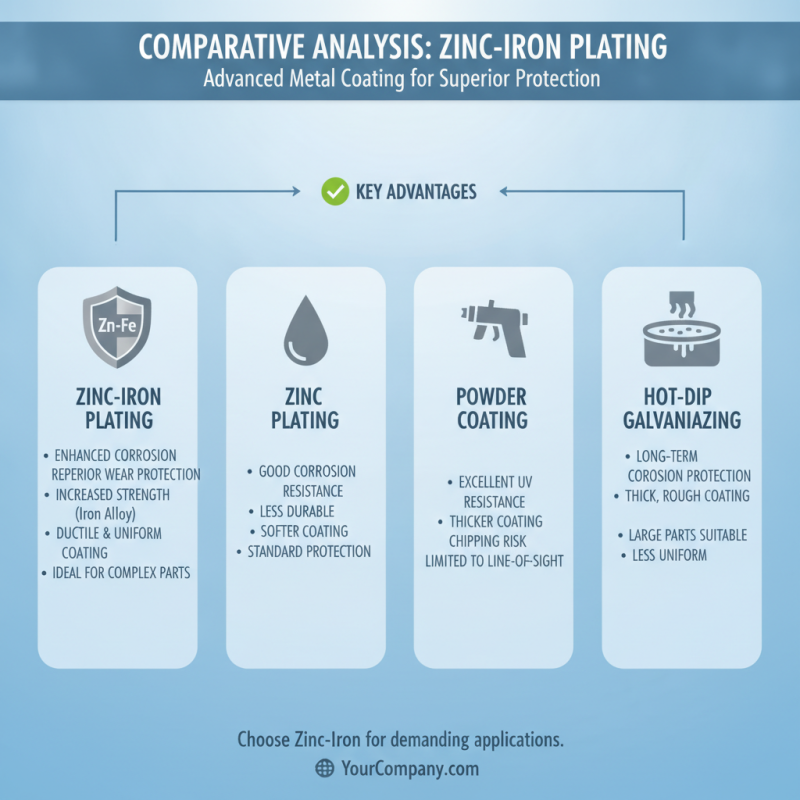
Zinc iron plating has emerged as a competitive choice in metal coating applications. Its unique properties offer distinct advantages over other methods, such as zinc alone, powder coating, and galvanizing. Zinc iron plating provides improved corrosion resistance and wear protection. The integration of iron enhances the coating’s strength.
However, the process itself can sometimes be complex. Proper control of bath chemistry and temperature is crucial. In contrast, traditional galvanizing can be more straightforward but may lack the same durability in harsh environments. Powder coating, while aesthetically pleasing, often falls short in extreme conditions. Users looking for robust durability should consider zinc iron plating despite its higher initial costs.
There are challenges in implementation as well. Not all surfaces allow for optimal adhesion with this plating method. Surface preparation may require considerable effort. Overcoming these hurdles requires expertise in the field. In many cases, the willingness to invest in proper training and equipment can yield significant long-term benefits.
Zinc iron plating is gaining traction in various industries due to its unique properties. The technique has evolved, focusing on innovations that support sustainability. Increasing environmental awareness calls for more eco-friendly methods in metal treatment. The future hinges on finding ways to minimize waste and reduce energy consumption during the plating process.
New developments include using biodegradable agents and recycling materials from old plating processes. Innovations such as nano-coatings are enhancing the traditional plating method. These advancements promise to improve adhesion and protection while requiring fewer resources. However, challenges remain in balancing cost and sustainability in zinc iron plating practices. Companies must consider both economic and environmental impacts effectively.
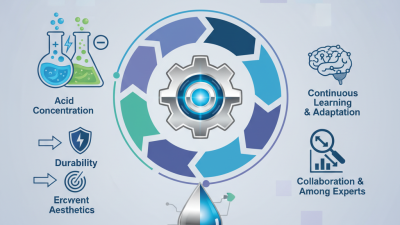
As industries adopt these techniques, the potential for sustainable practices grows. Collaboration between researchers and manufacturers is crucial. It drives the development of smarter plating solutions. There is an inherent need to refine processes continually. The industry must evaluate the long-term benefits of adopting greener alternatives. Innovations in zinc iron plating will likely shape the landscape for years to come.