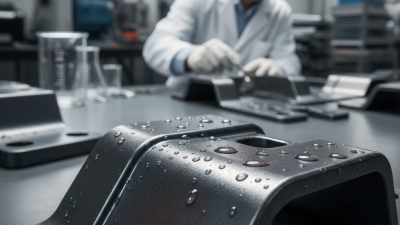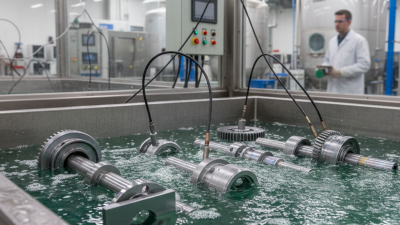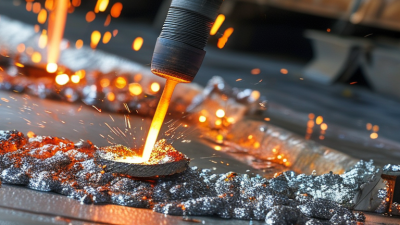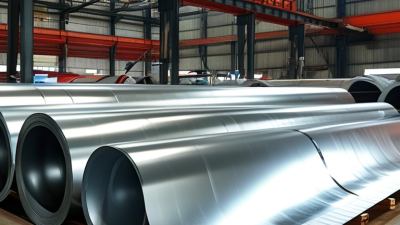
Choosing Zinc Iron Plating suppliers worldwide requires more than comparing prices and polished websites. The right partner must understand corrosion protection, coating consistency, and your actual operating environment. A supplier serving automotive parts may not suit agricultural machinery or precision fasteners. That difference matters.
Experienced buyers examine technical details before signing contracts. Ask about zinc-iron alloy percentages, coating thickness, hydrogen embrittlement controls, surface preparation, and post-treatment options. Request recent salt-spray results, adhesion records, and sample parts from similar applications. A sample should survive handling, assembly, and realistic exposure—not only look bright under factory lighting. Small details often reveal large process weaknesses.
Reliable suppliers explain their bath-control methods and inspection equipment clearly. They should provide traceable test reports, corrective-action records, and practical guidance on applicable standards. Certifications can support trust, but certificates alone prove little. An on-site audit, video inspection, or independent laboratory test may offer stronger evidence. Check whether the supplier follows relevant environmental and product requirements, including restricted-substance rules in your target markets.
Communication also deserves close attention. Can the supplier answer technical questions without vague promises? Do engineers respond when drawings change? Can production remain stable during larger orders? These questions expose real capability. A low quotation may hide inconsistent thickness, delayed reports, or expensive rework. No checklist is perfect. I have seen attractive samples fail after scale-up, so cautious validation remains necessary.
This guide presents a practical framework for comparing global suppliers. It focuses on process expertise, documented quality, transparent communication, and long-term reliability. The best choice is rarely the cheapest offer. It is the supplier that can repeatedly deliver compliant, durable, and clearly documented Zinc Iron Plating for your specific parts.
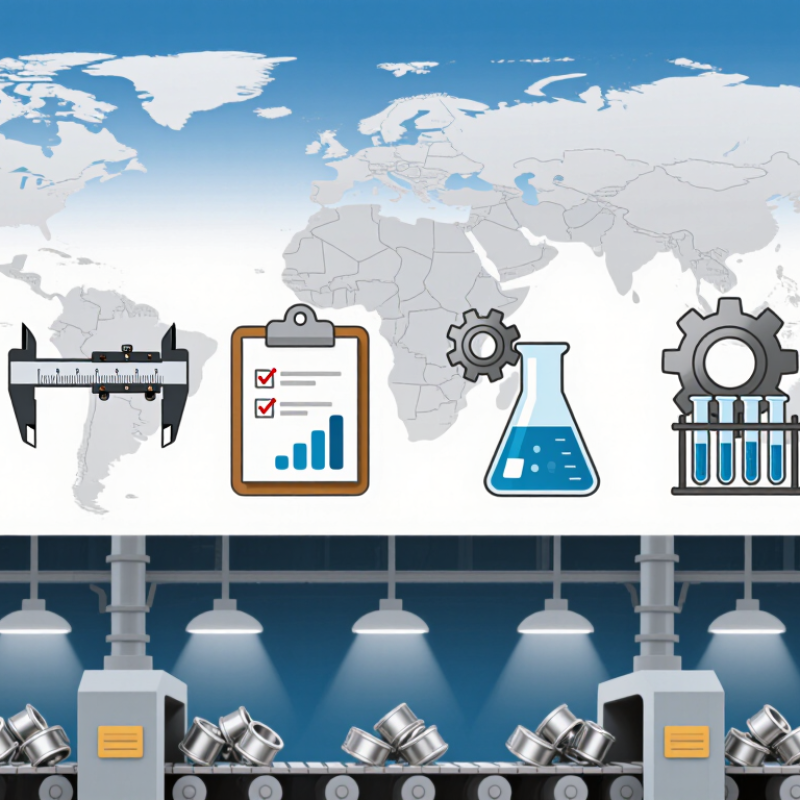
Zinc-iron plating combines sacrificial zinc protection with improved surface durability. The iron content commonly ranges from 0.3% to 1.0%, depending on the process. It suits fasteners, brake components, brackets, and hydraulic parts. Automotive factories often require stable coating thickness on threads and sharp edges. Small variations can cause assembly problems.
The United States Geological Survey reported global zinc mine production near 12 million metric tons in 2023. The World Steel Association recorded about 1.89 billion tonnes of crude steel production that year. These figures reflect a large industrial base requiring reliable corrosion protection. However, raw material scale does not prove supplier quality. Ask for coating thickness records, alloy composition data, adhesion results, and neutral salt spray reports.
A qualified supplier should reference ISO 19598 or an equivalent specification. Request evidence for trivalent passivation, hydrogen embrittlement controls, and post-plating baking. Salt spray hours alone can mislead. Test panels should match your steel grade, geometry, sealant, and thickness. I would also inspect process samples before approving volume production. That step feels slow. It can prevent costly field failures. Supplier audits should review wastewater controls, calibration records, operator training, and batch traceability. Regional delivery speed matters, but technical consistency matters more.
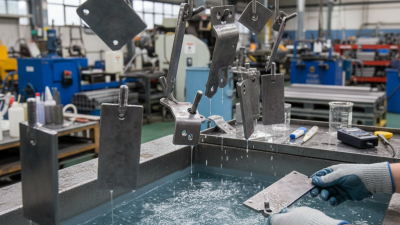
Choosing zinc iron plating suppliers worldwide starts with a precise project brief. Define base metal, part dimensions, coating thickness, color, corrosion target, and annual volume. Specify whether parts require trivalent passivation, sealing, masking, or hydrogen-relief treatment. Small details matter. A threaded hole can fail when coating buildup is ignored.
The business case also deserves attention. The NACE IMPACT study estimated global corrosion costs at about US$2.5 trillion annually, equal to 3.4% of global GDP. Zinc iron plating cannot solve every corrosion problem, but it can support controlled protection when specifications match service conditions. Request coating thickness records, salt-spray results, adhesion testing, bath-control logs, and lot traceability. ASTM B633 and ISO 9227 can guide testing, but salt spray does not predict outdoor life perfectly. That limitation should be stated clearly.
Supplier qualification should combine technical evidence with operational experience. Review calibration certificates, process capability data, corrective-action records, and subcontractor controls. Ask for samples made from comparable steel grades. Inspect them under magnification. Look for uneven color, bare edges, clogged threads, and blistering.
One weak point is often overlooked: communication. Confirm measurement units, drawing revisions, packaging methods, and delivery responsibilities in writing. The USGS Mineral Commodity Summaries 2024 reported roughly 12 million metric tons of global zinc mine output in 2023, showing the scale of this supply chain. Availability does not guarantee consistency. A cheaper quotation may hide rework, transport delays, or incomplete testing. Leave room for doubt, then verify it with production samples.
Comparing zinc-iron plating suppliers across global markets requires more than comparing quoted prices. A supplier in Asia may offer strong production capacity, while a European supplier may provide tighter documentation and process traceability. North American facilities often stand out for responsive engineering support, but their minimum order quantities can be higher. These are tendencies, not rules.
Ask each supplier for coating thickness ranges, alloy percentages, hydrogen-relief procedures, salt-spray results, and dimensional inspection records. A reliable provider should explain how bath chemistry is monitored during long production runs. Request sample panels, not only polished photographs. Check adhesion after forming, torque performance on fasteners, and corrosion behavior around cut edges. Independent laboratory verification adds value when test methods differ between countries.
Supplier audits should cover wastewater controls, worker training, calibration records, and batch-level traceability. Visit the facility or conduct a live video audit. Price can mislead. A lower quotation may exclude masking, sorting, packaging, or rework. I would score technical control, communication speed, delivery consistency, and corrective-action quality separately. No supplier performs perfectly. Even a capable partner may struggle during capacity expansion or chemical changes. This comparison is not flawless, because real production exposes weaknesses that samples hide. Before approval, run a pilot batch using your actual geometry, finish requirements, and shipping conditions.
Choosing zinc iron plating suppliers worldwide requires more than comparing unit prices. Quality begins with measurable controls. Ask for coating thickness records, adhesion results, bath analysis, and salt-spray data under ISO 9227 conditions. A supplier should also explain hydrogen embrittlement controls for high-strength steel parts. Small details matter.
The U.S. Geological Survey’s Mineral Commodity Summaries 2025 estimates global zinc mine production at roughly 13 million metric tons in 2024. However, abundant zinc does not guarantee stable plating capacity. Review monthly line utilization, backup equipment, maximum part dimensions, and realistic lead times. The International Lead and Zinc Study Group’s 2024 market statistics also indicate refined zinc output near 14 million tonnes annually, yet regional logistics can still create shortages. Capacity on paper can mislead. Request three months of production records, not promises.
Compliance requires documented chemistry and traceability. Confirm alignment with RoHS, REACH, and applicable vehicle or industrial requirements. Ask whether passivation contains hexavalent chromium, and require current laboratory reports. ISO 9001 certification supports process discipline, but it cannot replace a site audit. Inspect bath temperature controls, thickness gauges, rejected-part procedures, and corrective-action records. Production reliability should include on-time delivery data, batch identification, emergency capacity, and communication during delays. I would also test a pilot batch before approving mass production. A perfect audit is unlikely. Suppliers can still improve.
Selecting a zinc iron plating supplier requires more than comparing price per part. The International Lead and Zinc Study Group reported global refined zinc production above 13 million tonnes in 2023. This scale supports broad sourcing, but zinc price movements can quickly change quotations. Request a price formula, validity period, and clear surcharges for energy, chemicals, packaging, and freight. The cheapest offer may hide unstable inputs.
Technical risk deserves equal attention. Ask suppliers to provide coating thickness records, adhesion results, hydrogen-relief procedures, and salt-spray data under the agreed standard. ISO 2081 and ASTM B633 can guide zinc coating requirements, but zinc-iron performance also depends on alloy content and post-treatment. A laboratory certificate is useful. It is not proof of every production batch. Require sample testing from your actual parts.
Use a weighted scorecard covering cost, quality, capacity, lead time, and business continuity. The World Bank’s Logistics Performance Index 2023 shows major differences among countries in customs efficiency, infrastructure, and shipment reliability. These differences affect landed cost. Audit wastewater controls and worker safety records, even when local requirements appear less demanding. No scorecard is perfect. Recheck assumptions after pilot production, especially when a supplier refuses process transparency or offers an unusually low price.