How to Use Tinning Additive for Optimal Metal Coating?
In the world of metal coating, the use of "Tinning Additive" has garnered attention for its potential to enhance durability and adhesion. Dr. Emily Carter, a leading specialist in metallurgical engineering, notes, "The right tinning additive can transform your metal application process." Her insights reflect the growing importance of additives in achieving optimal results.
Choosing the right tinning additive requires careful consideration. Factors such as composition, temperature, and application method can significantly impact the final coat quality. Many users still overlook these critical elements, leading to subpar outcomes. A successful application can be the difference between efficiency and failure.
Understanding the full potential of tinning additives is essential for achieving optimal metal coatings. Industry professionals must stay informed about advancements and best practices. Slight variations in technique can yield significant results. Emphasizing continual learning and adaptation can lead to better metal coating strategies.

Understanding Tinning Additive and Its Importance in Metal Coating
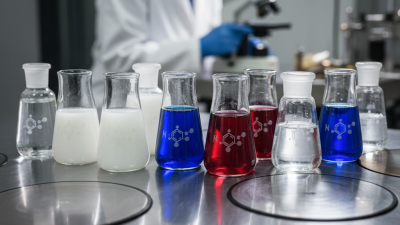
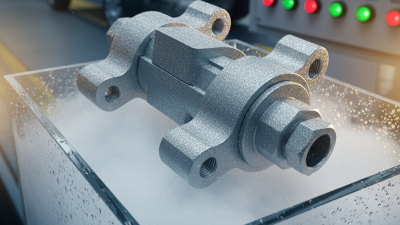
Tinning additives play a crucial role in metal coating processes. They enhance the adhesion qualities of coatings on metal surfaces, ensuring durability and performance. This additive creates a layer of tin that protects the metal from oxidation and corrosion. The effectiveness of the coating largely depends on proper application and the right formulation of the tinning additive.
Understanding how to utilize tinning additives is essential for optimal results. The choice of the right additive can vary based on the specific metal being coated. The application method may also differ; spray, dip, or brush techniques can yield varying outcomes. In some instances, the additive may not uniformly spread, leading to uneven coatings. This inconsistency can weaken the protective barrier.
Moreover, manufacturers often overlook the importance of mixing the additive correctly. Insufficient mixing can result in separation and reduced effectiveness. This issue highlights the need for careful monitoring during preparation. Overall, while tinning additives enhance metal protection, attention to detail during application is key to achieving reliable results.
Usage of Tinning Additives in Metal Coating
Selecting the Right Tinning Additive for Your Metal Coating Needs
Selecting the right tinning additive is crucial for effective metal coating applications. Industry studies indicate that approximately 20% of coating failures stem from improper additive selection. This highlights the importance of understanding the specific requirements of the materials involved. Different metals react uniquely to various additives, which can influence adhesion, corrosion resistance, and overall finish quality.
When choosing a tinning additive, consider the metal substrate you are working with. For instance, copper and aluminum may require distinct formulations. According to research from the Metal Coatings Institute, effective tinning can enhance surface properties by 30% or more if the right additive is used. This can significantly improve the longevity and durability of a product.
It’s also wise to evaluate the application method. Spray coating versus dip tinning may lead to different results. A poorly chosen method can impact efficiency and cause wastage. Additionally, not all additives are compatible with every environment. Temperature ranges and exposure to moisture can alter their effectiveness. Understanding these nuances is vital for achieving the best results.
Step-by-Step Application Process for Tinning Additive
Applying a tinning additive requires careful attention to detail. Begin by cleaning the metal surface. This removes contaminants that could impact adhesion. Studies show effective cleaning can enhance coating strength by up to 30%. Using a suitable solvent is essential for this step.
Once clean, prepare the tinning additive according to the manufacturer’s guidelines. Mixing ratios can vary significantly. Incorrect ratios can lead to uneven coatings or poor performance. Apply the additive using a brush or spray gun, ensuring even coverage. Aim for a uniform layer; this prevents weak spots in the final coating. Data suggests that a consistent application can improve durability and resistance against corrosion by 25%.
After application, curing is vital. Allow the coating to dry completely as recommended. Curing time impacts the effectiveness of the coating significantly. Rushing this stage may lead to suboptimal results. Users often overlook the importance of consistent temperatures during curing. This can lead to inconsistencies that affect long-term performance. A thoughtful approach to these steps fosters a reliable and effective metal coating process.
How to Use Tinning Additive for Optimal Metal Coating
| Step |
Description |
Recommended Amount |
Application Method |
| 1 |
Prepare the surface by cleaning it thoroughly to remove any contaminants. |
N/A |
Wipe with a solvent |
| 2 |
Mix the tinning additive according to the instructions provided with the product. |
10% by volume |
Stir thoroughly |
| 3 |
Apply a thin layer of the mixture onto the prepared metal surface. |
As needed |
Brush or spray |
| 4 |
Allow the coating to dry as per the manufacturer's recommendations. |
N/A |
Air drying |
| 5 |
Inspect the coated surface for uniformity and performance. |
N/A |
Visual Inspection |
Tips for Achieving Optimal Results with Tinning Additive
Using tinning additives effectively requires careful attention and practice. Start with surface preparation; clean and degrease the metal thoroughly. Any residue can lead to a poor coating. Use a lint-free cloth and ensure a dry environment. Applying the additive evenly is critical. Aim for a thin layer to avoid drips. Over-application can cause fouling and compromise the finish.
Timing is another crucial factor. Allow adequate drying time between applications. If you are applying multiple layers, slight tackiness can help the next layer bond better. Monitor temperature during the process; extreme temperatures can affect performance. Keep a specific temperature range for optimal results.
Be aware of common pitfalls. Many overlook the importance of ventilation. Inadequate airflow can trap fumes, potentially leading to issues. Testing the tinning setup on scrap material can also help refine your technique. Learning from each application provides insights into what works best. This iterative process may reveal unexpected challenges, aiding your mastery of the technique.
Safety Precautions When Using Tinning Additives in Metal Coating
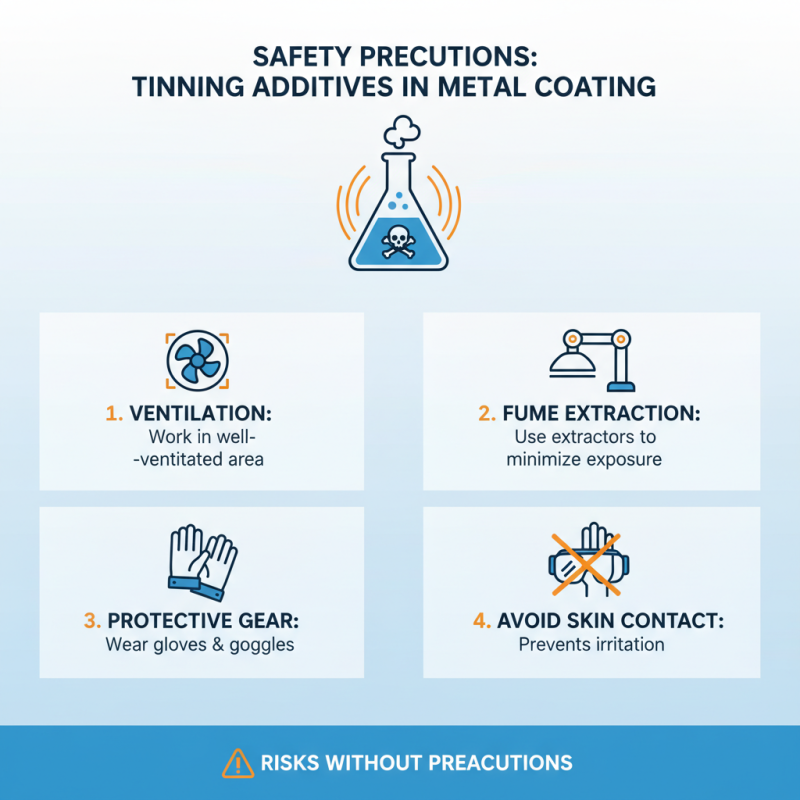
When using tinning additives for metal coating, safety is paramount. These substances can emit harmful fumes when heated. Always work in a well-ventilated area. Use fume extractors when necessary to minimize exposure. Protective gear, including gloves and goggles, is essential. Skin contact can lead to irritation. Without proper precautions, the risks can overshadow the benefits.
Proper storage of tinning additives is crucial. Keep them in a cool, dry place away from direct sunlight. Ensure lids are tightly sealed to prevent accidental spills. Spills can create unsafe conditions. Dispose of waste materials according to local regulations. Ignoring these guidelines can lead to environmental issues.
Remember to read labels carefully for specific safety instructions. Training and experience in handling these materials is invaluable. Improper use can reduce the effectiveness of the coating. Continual learning and adapting are necessary. Reflecting on previous applications can help identify areas for improvement. Always prioritize safety in every step of the process.