2026 How to Master Acid Zinc Plating for Superior Corrosion Resistance?
Acid Zinc Plating is a crucial technique for enhancing the corrosion resistance of various metallic components. According to a report from the International Zinc Association, zinc coatings provide excellent protection, extending the lifespan of metal parts by up to 20 times in harsh environments. This process not only improves durability but also offers aesthetic appeal with a bright, appealing finish.
Having a sound understanding of Acid Zinc Plating is essential for quality engineering. Many industries rely on this process, particularly automotive and aerospace sectors. However, achieving optimal results is not always straightforward. Factors such as bath composition and temperature can greatly influence the quality of the plating. Inconsistent results may arise from mismanaged processes, leading to increased costs and unsatisfactory corrosion resistance.
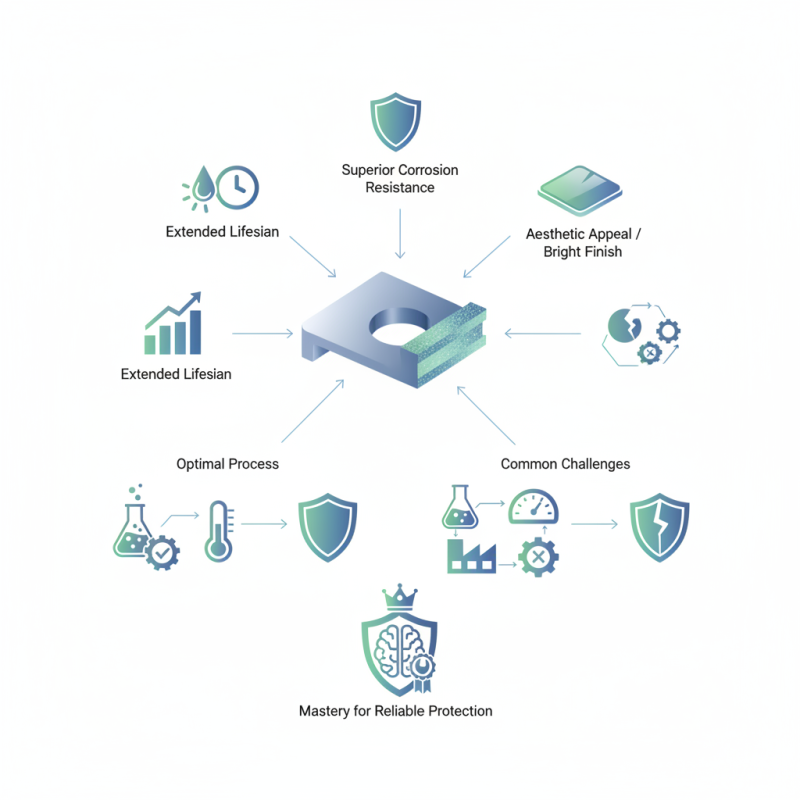
Furthermore, while Acid Zinc Plating offers benefits, it is important to reflect on the challenges. Not all setups yield desired outcomes; mistakes in application can compromise protection. Proper training and adherence to industry standards are essential for success. The goal should be to master Acid Zinc Plating techniques for reliable and effective corrosion resistance, ensuring both performance and longevity in metal applications.
Understanding Acid Zinc Plating: Fundamentals and Applications
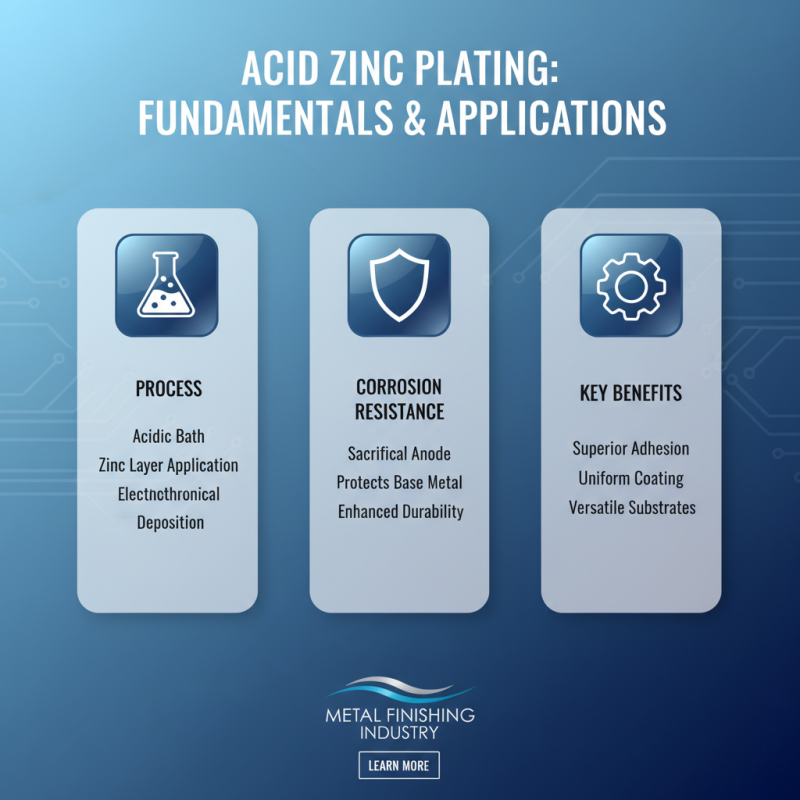
Acid zinc plating is a well-established process in the metal finishing industry. It involves applying a zinc layer to metal surfaces to enhance corrosion resistance. Understanding its fundamentals is crucial for achieving high-quality coatings. This process typically uses an acidic bath, which helps in better adhesion of the zinc layer. Zinc acts as a sacrificial anode, protecting the underlying metal.
Applications of acid zinc plating are diverse. It is commonly used in the automotive and electronics industries. Fasteners and battery components benefit significantly from this coating. The surface finish can also be adjusted for aesthetic appeal. However, controlling the plating parameters is essential. Temperature and pH levels can greatly impact the final quality of the coating.
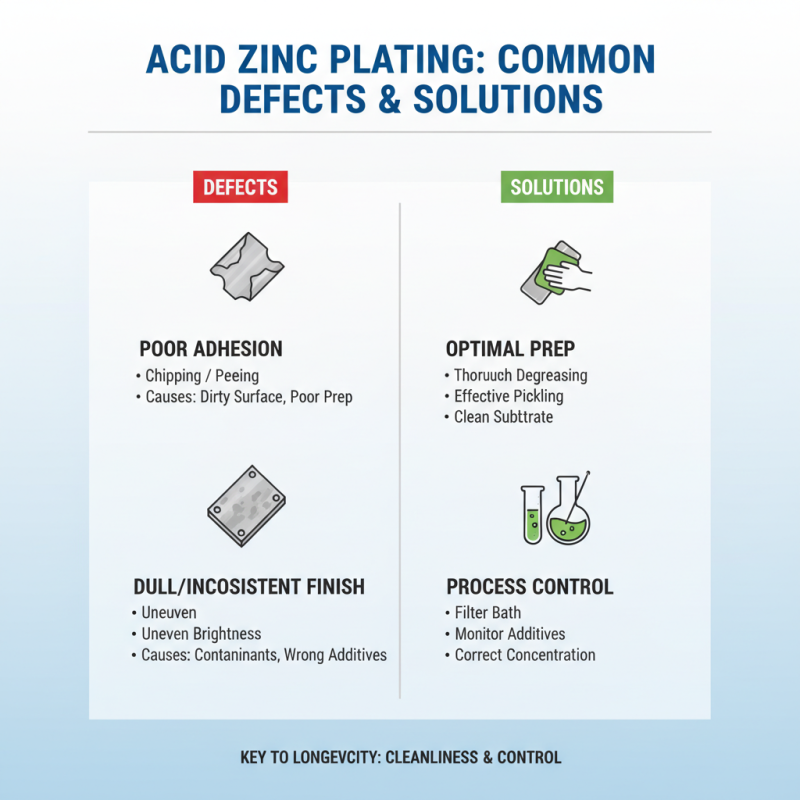
Despite its advantages, challenges exist. Improperly done plating might lead to poor adhesion. Issues like white rust can occur if not properly managed. Testing the coating for thickness and adhesion is vital. Identify and refine techniques to minimize defects. Continuous learning is necessary in mastering this process effectively.
The Electrochemical Process: Mechanics of Acid Zinc Plating
Acid zinc plating is an electrochemical process that enhances metal corrosion resistance. It involves immersing metal in a zinc solution, where an electric current drives zinc ions onto the substrate. This creates a protective layer, but the consistency of this coating is crucial. According to industry reports, a coating thickness of 5-10 micrometers can provide significant corrosion protection, yet many processes fail to achieve this consistently.
The mechanics of acid zinc plating reveal its complexities. pH levels, temperature, and current density all affect the plating quality. Data from the International Journal of Electrochemical Science indicates that a pH of 4.0-5.0 and temperatures around 20-30°C yield optimal results. However, even minor fluctuations can lead to microstructural differences in the zinc layer, potentially compromising durability.
While acid zinc plating is beneficial, some challenges remain. Issues such as poor adhesion and surface preparation often go overlooked. A flawed surface can lead to under-plating and expose the substrate to corrosive environments. Tackling these problems requires rigorous quality control and process optimization. Implementing precise control measures can be beneficial, though it often demands significant resources and expertise.
2026 How to Master Acid Zinc Plating for Superior Corrosion Resistance?
| Parameter |
Description |
Typical Values |
| pH Level |
Acidic environment for zinc plating |
4.0 - 5.0 |
| Temperature |
Operating temperature during plating |
20 - 30°C |
| Plating Thickness |
Thickness of zinc layer deposited |
5 - 25 µm |
| Current Density |
Current supplied during plating process |
1 - 3 A/dm² |
| Zinc Concentration |
Concentration of zinc in the solution |
10 - 15 g/L |
| Additives |
Substances to improve plating quality |
Brighteners, leveling agents |
Key Factors Influencing Corrosion Resistance in Zinc Coatings
Corrosion resistance in zinc coatings is influenced by several critical factors. One significant factor is the thickness of the zinc layer. A thicker coating generally offers better protection against environmental elements. Proper control of the coating process is essential to ensure consistent thickness across all surfaces. Uneven coatings can lead to weak spots, making parts susceptible to corrosion.
Another key aspect is the composition of the plating bath. The balance of chemicals affects the quality of the zinc deposit. Adjustments to pH levels can lead to a brighter finish, but might compromise corrosion resistance. It's vital to monitor these parameters closely throughout the plating process to ensure optimal performance.
Additionally, the post-treatment process plays a crucial role in enhancing corrosion resistance. Treatments such as passivation can provide an extra layer of protection. However, not all treatments yield the same results. Some may require extensive testing to determine their effectiveness. This highlights the importance of quality control and continuous improvement in mastering acid zinc plating. Each step of the process demands attention to detail and a willingness to experiment.
Optimizing Acid Zinc Plating Conditions for Superior Performance
Acid zinc plating is a popular choice for corrosion resistance. Optimizing the conditions can significantly enhance its performance. Research shows that the bath composition plays a crucial role. A zinc sulfate-based solution often yields better adhesion and longevity. Maintaining the pH between 5.5 and 6.5 increases zinc deposition efficiency. It’s essential to monitor these levels regularly.
Temperature also impacts the plating process. Optimal temperatures range from 20°C to 30°C. Yet, higher temperatures may increase deposition rates but can also compromise coating uniformity. An ideal balance must be struck. A study indicated that coatings at 25°C outperformed those at both lower and higher temperatures.
Another factor is the current density during plating. Studies show that a current density between 2-5 A/dm² provides robust coatings. It's imperative to align this with bath agitation. Poor agitation can lead to inconsistencies. However, excessive agitation could cause spattering, which affects the final finish. Fine-tuning these conditions is not merely technical; it requires an understanding of each variable's interactions.
2026 Acid Zinc Plating Performance Comparison
This chart illustrates the correlation between different pH levels during acid zinc plating and their corresponding corrosion resistance performance. As the pH level increases, the corrosion resistance shows variability, indicating the optimal pH level for superior performance.