What is Zinc Iron Plating Benefits and Applications?
Zinc Iron Plating has emerged as a key surface treatment method in various industries. According to a report by the International Journal of Corrosion, the protective properties of Zinc Iron coatings significantly enhance the lifespan of metal components. This plating process provides a robust barrier against corrosion while offering excellent adhesion.
The application of Zinc Iron Plating spans diverse sectors, from automotive manufacturing to construction. Reports indicate that parts treated with this method can exceed 1,000 hours in salt spray tests, showcasing impressive resistance to harsh environments. Moreover, industry leaders recognize its role in reducing maintenance costs and extending equipment durability.
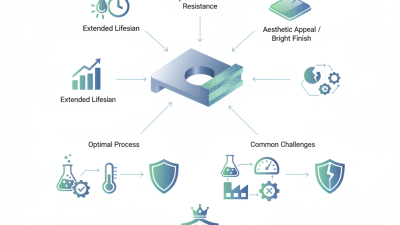
Despite the clear advantages, challenges remain. The plating process can be complex and requires expert handling to ensure consistent quality. Fluctuations in application thickness may affect performance. It is vital to adopt best practices and continuous quality improvements to harness the full potential of Zinc Iron Plating effectively.
Understanding Zinc Iron Plating: Definition and Composition
Zinc iron plating is a fascinating process that combines corrosion resistance with high durability. This method uses a mixture of zinc and iron to create a protective layer over metal surfaces. The unique composition ensures that the coated items can withstand harsh environments. The zinc acts as a sacrificial anode, while iron provides added strength. This blend makes it suitable for various applications.
Tips: Ensure the surface is clean before plating. This will improve adhesion and the overall quality of the finish.
The process can be quite complex and requires careful attention to detail. Variations in temperature and concentration can affect the outcome. It's essential to monitor these factors closely. Applications range widely, from automotive parts to construction materials. However, users often overlook the importance of surface preparation, which can lead to poor results.
Tips: Test small batches before large-scale production. This prevents costly errors and ensures quality control.
While zinc iron plating provides many benefits, challenges can arise. Not all metals react well to this process. It's crucial to understand compatibility. Investing time in research can save resources in the long run. The right knowledge will lead to better decision-making.
Zinc Iron Plating Benefits and Applications
Key Benefits of Zinc Iron Plating in Corrosion Resistance
Zinc iron plating offers remarkable benefits, especially in corrosion resistance. This method involves applying a zinc-iron alloy coating to steel surfaces. This coating creates a barrier that protects against moisture and oxygen, two main culprits of rust. The alloy has superior adhesion, making it less likely to chip or flake off compared to traditional zinc coatings.
In industrial settings, durability is essential. Zinc iron plating delivers consistent performance even in harsh environments. Its corrosion resistance outshines other types of coatings, like plain zinc. However, challenges remain. The application process requires careful control of temperature and time. If not managed properly, the coating may not provide the expected protection. This complexity means that having experienced professionals handle the process is crucial.
Beyond rust prevention, zinc iron plating enhances the aesthetic appeal of products. The coating has a distinct matte finish that can be more visually appealing than other coatings. However, some users may find the finish less shiny than expected. This might not satisfy quality standards for certain applications, and this discrepancy calls for careful consideration when choosing coatings for specific end uses.
Common Applications of Zinc Iron Plating in Various Industries
Zinc iron plating offers significant benefits across various industries. This electroplating technique combines zinc and iron, creating a coating that enhances corrosion resistance. It is commonly applied in the automotive sector, specifically for fasteners and structural components. The plating helps protect these elements from rust and wear, extending their lifespan.
In the construction industry, zinc iron plating plays a crucial role. Many manufacturers utilize this method for steel structures and hardware. It ensures durability and safety in buildings and infrastructures. However, some industries still overlook its potential. This oversight can lead to increased maintenance costs over time.
Another area where zinc iron plating shines is in machinery and equipment. It is often applied to parts that face harsh operating conditions. Unfortunately, not all manufacturers are aware of the advantages. Many continue to use less effective coating methods. As a result, they may face frequent repairs and replacements, undermining long-term performance. Understanding the specific applications can lead to better choices in protective solutions.
Comparison of Zinc Iron Plating with Other Plating Methods
Zinc iron plating is a versatile process used in various industries for its protective qualities. Compared to other plating methods, it offers distinct advantages. For example, it forms a robust barrier against corrosion. This is crucial for products exposed to harsh environments.
When comparing zinc iron plating with zinc plating or nickel plating, differences become clear. Zinc plating provides a shiny finish but may lack the wear resistance found in zinc iron coatings. The latter excels in lowering friction, which can extend the lifespan of mechanical components. Nickel plating, while aesthetically appealing, doesn’t offer the same level of corrosion resistance as zinc iron.
In certain applications, the choice can be flawed. Some may overlook the need for additional treatments that enhance adhesion. Rushing this process can lead to subpar results. An informed choice considers not just initial costs but long-term performance. Balancing aesthetics with functionality remains a crucial challenge for engineers.
Factors Influencing the Quality of Zinc Iron Plating
Zinc iron plating combines the benefits of zinc and iron to enhance surface protection. The quality of this plating is influenced by several key factors. One crucial element is the composition of the plating bath. Variations in zinc and iron ratios can affect the overall resilience of the coating. Achieving the right balance is essential for optimal corrosion resistance.
Another important factor is the plating temperature. Higher temperatures may improve the plating rate but can lead to undesirable outcomes. This includes a coarse surface finish and reduced adhesion. Proper monitoring of the temperature is vital for ensuring a smooth application.
Surface preparation also plays a critical role. Contaminants on the surface can lead to poor adhesion, causing premature failure. A clean, well-prepared surface promotes stronger bonding and enhances the durability of the plating. Inadequate cleaning methods can sometimes be overlooked, yet they are fundamental to achieving lasting results. Each of these factors must be carefully controlled to ensure high-quality zinc iron plating that meets performance standards.
What is Zinc Iron Plating Benefits and Applications? - Factors Influencing the Quality of Zinc Iron Plating
| Benefit/Application |
Description |
Factors Influencing Quality |
| Corrosion Resistance |
Provides excellent protection against corrosion, extending the lifespan of metals. |
Coating thickness, surface preparation, and application process. |
| Adhesion Strength |
Ensures strong bonding to the substrate, reducing the risk of peeling or flaking. |
Substrate material, surface roughness, and pre-treatment methods. |
| Aesthetic Appeal |
Improves the appearance of metal components with a uniform finish. |
Plating solution composition and bath temperature. |
| Cost-effectiveness |
Reduces long-term maintenance costs by enhancing durability. |
Quality of raw materials and operational efficiency. |
| Biocompatibility |
Suitable for applications in environments where contact with living tissues is required. |
Plating method and alloy composition. |